ethereum: What's Next for ZK-Friendliness?
Ethereum's about to get a little tune-up, and while it might sound like a minor adjustment—Vitalik Buterin proposing the removal of the modular exponentiation precompile (or "modexp," as the cool kids call it)—it's actually a HUGE deal. Why? Because it's about clearing the path for something truly revolutionary: zero-knowledge Ethereum Virtual Machines, or zkEVMs.
Think of it like this: Ethereum is a highway, and zkEVMs are super-fast race cars. But there's this one toll booth—modexp—that's causing massive delays, especially for these speedy zkEVMs. Buterin himself admits he invented this little bottleneck! He says modexp creates verification slowdowns up to 50 times worse than average blocks when generating these zero-knowledge proofs. That's like hitting a pothole every few feet when you're trying to break the sound barrier!
Zero-Knowledge: The Future of Privacy and Scalability
So, what are zkEVMs, and why should we care? Well, imagine being able to prove something is true without revealing any of the underlying information. That's the power of zero-knowledge proofs. It's like telling someone you know the answer to a complex math problem without actually showing them your work. This has enormous implications for privacy, scalability, and security on Ethereum.
The Ethereum Foundation launched “Ethereum for Institutions” in late October 2025. See, zkEVMs allow computations to be validated off-chain, meaning the main Ethereum network isn't bogged down with every single transaction. It's like moving all the local traffic onto side streets, freeing up the highway for long-distance travelers. This is essential for scaling Ethereum to handle the demands of a truly global, decentralized economy. Now, Buterin's solution is simple: ditch the modexp precompile and replace it with standard EVM bytecode. Sure, it'll cost a bit more gas (Ethereum's transaction fee), but it's a small price to pay for unlocking the full potential of zkEVMs. And for those niche applications that absolutely need modexp, they can wrap their operations in SNARKs (Succinct Non-Interactive Arguments of Knowledge) – basically, create their own little zero-knowledge proofs for that specific function.
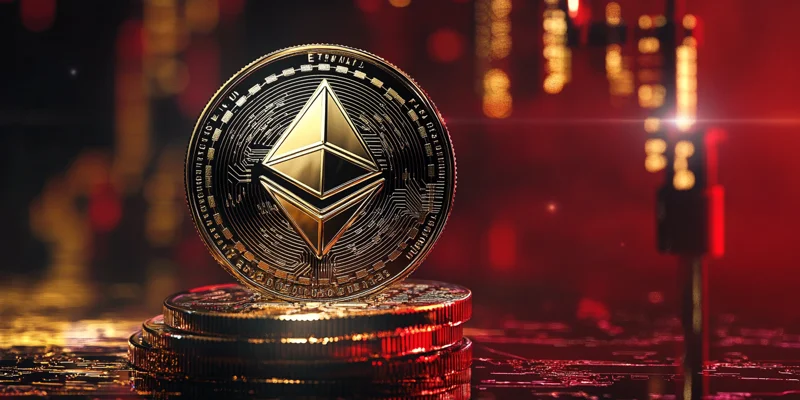
Now, some might say, "But modexp is used in RSA encryption and signing!" True, but it only affects 0.01% of users. This is a strategic move to benefit the vast majority by streamlining the system for the future. Vitalik Buterin Calls for Scrapping Ethereum’s ‘Most ZK-Unfriendly’ Feature - Yahoo Finance
It's like switching from a horse-drawn carriage to a car. Sure, some people might miss the old days, but the overall speed and efficiency gains are undeniable. What I think is amazing, and what others might miss, is that this is a deliberate act of technical "housecleaning" to pave the way for a new generation of decentralized applications.
Think about it: with zkEVMs, we can have truly private transactions, secure voting systems, and scalable DeFi applications. The possibilities are endless! I honestly got goosebumps when I first realized the implications of this seemingly small change. It's the kind of breakthrough that reminds me why I got into this field in the first place.
But, of course, with great power comes great responsibility. As we unlock these new capabilities, we need to be mindful of the ethical implications and ensure that these technologies are used for good.
A Zero-Knowledge Future Is Within Reach!
This isn't just a technical tweak; it's a bold step towards a more private, scalable, and secure Ethereum. It's about removing the roadblocks and unleashing the full potential of zero-knowledge technology. The speed of this progress is just staggering—it means the gap between today and tomorrow is closing faster than we can even comprehend. What this means for us is a more robust and versatile Ethereum ecosystem. What could it mean for you?

-

The Business of Plasma Donation: How the Process Works and Who the Key Players Are
Theterm"plasma"suffersfromas...
-
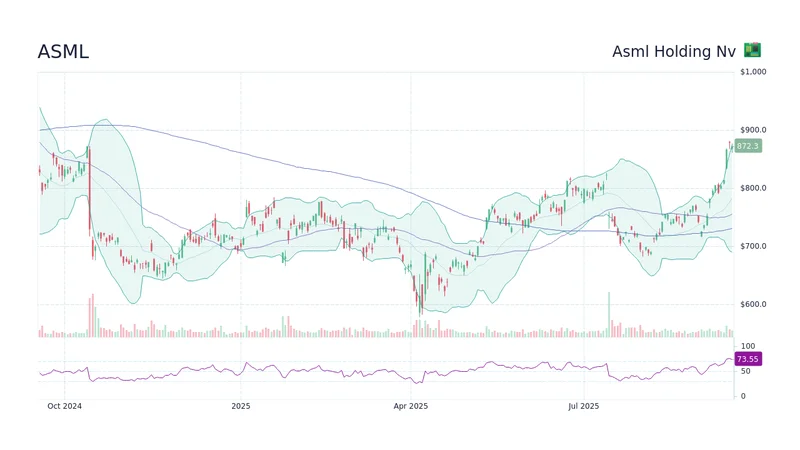
ASML's Future: The 2026 Vision and Why Its Next Breakthrough Changes Everything
ASMLIsn'tJustaStock,It'sthe...
-
The Manyu Phenomenon: What Connects the Viral Crypto, the Tennis Star, and the Anime Legend
It’seasytodismisssportsasmer...
-

The Nebius AI Breakthrough: Why This Changes Everything
It’snotoftenthatatypo—oratl...
-
Secure Crypto: Unlock True Ownership - Reddit's HODL Guide
Alright,folks,let'stalkcrypto....
- Search
- Recently Published
-
- Misleading Billions: The Truth About DeFi TVL - DeFi Reacts
- Secure Crypto: Unlock True Ownership - Reddit's HODL Guide
- Altcoin Season is "here.": What's *really* fueling the latest altcoin hype (and who benefits)?
- The Week's Pivotal Blockchain Moments: Unpacking the breakthroughs and their visionary future
- DeFi Token Performance Post-October Crash: What *actual* investors are doing and the brutal 2025 forecast
- Monad: A Deep Dive into its Potential and Price Trajectory – What Reddit is Saying
- MSTR Stock: Is This Bitcoin's Future on the Public Market?
- OpenAI News Today: Their 'Breakthroughs' vs. The Broken Reality
- Medicare 2026 Premium Surge: What We Know and Why It Matters
- Accenture: What it *really* is, its stock, and the AI game – What Reddit is Saying
- Tag list
-
- Blockchain (11)
- Decentralization (5)
- Smart Contracts (4)
- Cryptocurrency (26)
- DeFi (5)
- Bitcoin (30)
- Trump (5)
- Ethereum (8)
- Pudgy Penguins (5)
- NFT (5)
- Solana (5)
- cryptocurrency (6)
- XRP (3)
- Airdrop (3)
- MicroStrategy (3)
- Plasma (4)
- Zcash (7)
- Aster (10)
- qs stock (3)
- mstr stock (3)
- asts stock (3)
- investment advisor (4)
- morgan stanley (3)
- ChainOpera AI (4)
- federal reserve news today (4)