Secure Crypto: Unlock True Ownership - Reddit's HODL Guide
36|0 comments
Alright, folks, let's talk crypto. Two point seven *billion* dollars. Gone. Vanished in preventable incidents in just the first six months of 2025. That's the headline grabbing everyone's attention, and yeah, it stings. But before you throw your hands up and declare the whole thing a digital Wild West, let’s take a breath. This isn’t a sign of failure; it’s a sign of *growth*. It’s a wake-up call, and we’re hitting the snooze button at our own peril.
Crypto's Growing Pains: Maturing Towards a Secure Future
The Maturation of Trust Chainalysis's 2025 mid-year report calls it "maturing," and I think that's spot on. We’re seeing the growing pains of a technology that’s rapidly evolving from niche experiment to mainstream adoption. And with that adoption comes responsibility – a responsibility that falls on developers, exchanges, and yes, every single one of us using this technology. Think of it like the early days of the internet. Remember the dial-up modems, the rampant viruses, the phishing scams that looked like they were designed by toddlers? We navigated those choppy waters, and we built the relatively (yes, *relatively*) secure internet we have today. Crypto is going through its awkward teenage phase, complete with bad haircuts and questionable decisions. But it's learning. We're learning. So, what does this "maturing" look like in practice? It means getting serious about security. It means understanding that those seed phrases – those magical keys to your digital kingdom – need to be treated like the crown jewels. Stored offline, written on paper, locked away in a fireproof safe. Never photographed, never saved digitally. Treat them like the nuclear launch codes, because, in a way, they *are*. And it’s not just about seed phrases. It’s about verifying smart contract permissions, using hardware-based two-factor authentication, sending small test transactions before you go all in. It's about treating every transaction as permanent (because it *is*) and questioning those "too good to be true" opportunities. It's about basic cyber hygiene, folks. Are we really doing all we can to safeguard our digital assets? It's about reviewing token approvals and connected sites, revoking permissions for protocols you're not actively using. It's like learning to ride a bike. You start with training wheels, you fall a few times, you skin your knees. But eventually, you find your balance, and you're soaring. The $2.7 billion lost? Those are our skinned knees. But we’re learning to balance. But how do we make this easier, more intuitive for everyone? Can we build more user-friendly interfaces that guide people through these security measures? That's the million-dollar question.Beyond the Code: Security Starts With Us
A Human Element in a Digital World But here’s where it gets really interesting. All the encryption in the world, all the fancy algorithms, are useless if we don't address the human element. Because the biggest vulnerabilities aren't in the code; they're in *us*. We click on phishing links. We fall for scams. We get greedy. We get careless. We reuse passwords. We get lazy. I'll admit I've been guilty of some of these myself from time to time. That's why I'm so excited about the shift I'm seeing towards community-driven security. People are sharing their experiences, warning each other about scams, and developing tools to help protect each other. It's a digital neighborhood watch, and it's incredibly powerful. I saw one comment on Reddit where someone described setting up a separate browser profile *just* for crypto activities. It’s a simple step, but it's brilliant! It's about creating layers of security, making it harder for the bad actors to get through. And the projects themselves are stepping up. Quality projects are providing ample time for research and consideration. Established projects maintain consistent domains, verified social media accounts, and clear support procedures. Well-designed dApps request only the access necessary for their function. These aren't just features; they're signs of maturity, signs that the industry is taking security seriously. When I think about where we are right now, I'm reminded of the early days of aviation. It was risky, it was dangerous, and there were plenty of crashes. But people were driven by a vision of a world connected by flight. And they kept innovating, kept learning, kept pushing the boundaries. That's the spirit we need to bring to crypto. A spirit of innovation, a spirit of collaboration, and a unwavering commitment to security. It’s about enabling hardware-based 2FA using security keys or authenticator apps for every exchange account and wallet-connected service. It's about opening your primary wallet and reviewing token approvals and connected sites, revoking permissions for protocols you're not actively using. It's about ensuring your seed phrases exist on paper in secure, fireproof locations and informing a trusted family member about the location of important documents. For a comprehensive guide to safe wallet management, see "Master Crypto Security: Your Complete Guide to Safe Wallet Management - Hackernoon". A Future Forged in Trust So, yeah, $2.7 billion is a lot of money. But it's also a lesson. A painful one, but a valuable one. It's a reminder that we're all in this together, and that the future of crypto depends on our ability to build a safer, more secure ecosystem. And I believe we can do it. I really do. Crypto's Second Chance is Here

-

The Business of Plasma Donation: How the Process Works and Who the Key Players Are
Theterm"plasma"suffersfromas...
-
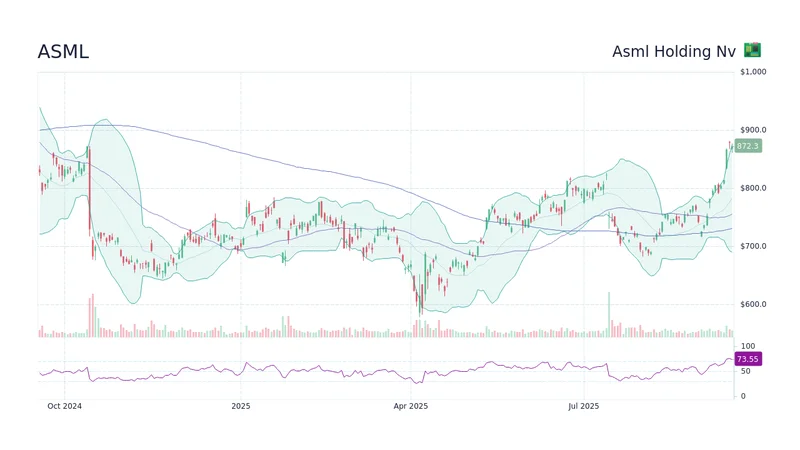
ASML's Future: The 2026 Vision and Why Its Next Breakthrough Changes Everything
ASMLIsn'tJustaStock,It'sthe...
-

The Manyu Phenomenon: What Connects the Viral Crypto, the Tennis Star, and the Anime Legend
It’seasytodismisssportsasmer...
-

The Nebius AI Breakthrough: Why This Changes Everything
It’snotoftenthatatypo—oratl...
-
Secure Crypto: Unlock True Ownership - Reddit's HODL Guide
Alright,folks,let'stalkcrypto....
- Search
- Recently Published
-
- Misleading Billions: The Truth About DeFi TVL - DeFi Reacts
- Secure Crypto: Unlock True Ownership - Reddit's HODL Guide
- Altcoin Season is "here.": What's *really* fueling the latest altcoin hype (and who benefits)?
- The Week's Pivotal Blockchain Moments: Unpacking the breakthroughs and their visionary future
- DeFi Token Performance Post-October Crash: What *actual* investors are doing and the brutal 2025 forecast
- Monad: A Deep Dive into its Potential and Price Trajectory – What Reddit is Saying
- MSTR Stock: Is This Bitcoin's Future on the Public Market?
- OpenAI News Today: Their 'Breakthroughs' vs. The Broken Reality
- Medicare 2026 Premium Surge: What We Know and Why It Matters
- Accenture: What it *really* is, its stock, and the AI game – What Reddit is Saying
- Tag list
-
- Blockchain (11)
- Decentralization (5)
- Smart Contracts (4)
- Cryptocurrency (26)
- DeFi (5)
- Bitcoin (30)
- Trump (5)
- Ethereum (8)
- Pudgy Penguins (5)
- NFT (5)
- Solana (5)
- cryptocurrency (6)
- XRP (3)
- Airdrop (3)
- MicroStrategy (3)
- Plasma (4)
- Zcash (7)
- Aster (10)
- qs stock (3)
- mstr stock (3)
- asts stock (3)
- investment advisor (4)
- morgan stanley (3)
- ChainOpera AI (4)
- federal reserve news today (4)