Binance's Tax Evasion Probe: What We Know and Why It's a Bigger Deal Than You Think
So you thought your crypto was your little secret, huh? A neat, digital escape from the prying eyes of the taxman? Let's all pour one out for the 400-plus high-rollers on Binance in India who are currently getting a masterclass in the difference between a marketing slogan and cold, hard reality.
The news is simple, yet so beautifully cynical: Indian tax authority targets over 400 wealthy Binance traders in tax evasion probe: report. Not with a polite letter, but with a full-blown investigation into tax evasion, targeting trades made over the last few years. These traders, who were likely enjoying the high-stakes game of crypto, now find themselves in the crosshairs of a government that wants its pound of flesh—and then some.
And what a pound of flesh it is. We’re talking about a 30% tax on profits, plus a 1% upfront withholding, plus a surcharge and a cess that can rocket the effective rate to a staggering 42.7%. It’s a number so high it almost feels like a dare. A challenge to see who’s slick enough, or dumb enough, to try and get around it.
Apparently, at least 400 people took the bait. And now, the house of cards is tumbling down.
The Welcome Mat Was a Trap
Here’s the part that really gets me. This whole crackdown isn’t happening in a vacuum. It’s happening because Binance, the world's biggest crypto casino, decided to play ball.
Remember late 2023? India gave Binance and eight other exchanges the boot for operating illegally, not complying with their anti-money laundering laws. It was a big, dramatic show of force. But then, in August of this year, the doors swung back open. Binance paid a measly $2.25 million penalty—a rounding error for a company like that—and got itself registered as a "reporting entity."
And what does a "reporting entity" do? Well, it reports. The very registration that let Binance back into one of the world's biggest markets "paved the way" for them to share information on its users with the Indian government. "Paved the way" is such a sterile, corporate phrase, isn't it? Let’s translate it into plain English: The price of admission for Binance to get back into India was to serve up its own customers on a silver platter.
This is the ultimate fox-in-the-henhouse scenario, except the fox designed the henhouse, sold the chickens on the dream of a predator-free life, and then handed the farmer a detailed map of the roosts. Did any of these traders stop and ask what that $2.25 million fine really bought? It wasn't forgiveness; it was a data-sharing agreement. It was the cost of doing business, and the users were the product being sold.

The investigation is even digging into peer-to-peer payments settled through local bank accounts and Google Pay. The digital breadcrumb trail leads right back to their front door. How can anyone look at this and still believe these centralized exchanges are anything other than banks with better branding and worse security?
While Your Portfolio Burns, Please Hold
Just to add a thick layer of irony to this whole mess, while Binance is busy cooperating with government investigators, its own platform is apparently a dumpster fire. The company is dealing with the fallout from "depegs" and "transaction disruptions" caused by market volatility. Users are reporting massive losses not because they made a bad trade, but because the platform itself buckled under pressure.
And what’s the official response from co-founder Yi He? She advised affected users to "contact customer service."
You have to laugh. It’s the most perfectly infuriating, tone-deaf corporate response imaginable. Your life savings just got liquidated because our servers had a panic attack? Fill out this form, and we’ll get back to you. It's a bad look. No, 'bad' doesn't cover it—this is a five-alarm fire of corporate indifference. It’s the equivalent of an airline losing your luggage and handing you a 10% off coupon for your next flight.
It reminds me of the time my internet provider cut my service for three days during a work deadline and their only solution was to offer me a "credit" of $2.74. They want you to believe they’re on your side, but every action shows they’re just… a machine designed to protect itself.
And offcourse, they’re pledging to "compensate" traders who experienced losses. But what does that even mean? Will they make people whole? Or will they offer some Binance-branded stablecoin that depegs next week? The details, as always, remain frustratingly vague. You’re just supposed to trust them. The same company that just handed over a list of its top clients to a government with a 42.7% tax rate. Good luck with that.
The House Always Wins
Let's be brutally honest here. The original dream of crypto—this decentralized, private, censorship-resistant financial system—is dead on these big exchanges. It was a beautiful idea, but it was just that: an idea. The second these platforms got big enough to matter, the second they had skyscrapers and Super Bowl ads, they became part of the very system they claimed to be replacing.
They are not your friends. They are not champions of your financial freedom. They are corporations. And when the choice is between protecting their users' privacy and gaining access to a market of 1.4 billion people, they will make the business decision every single time. The Indian government wins. Binance wins. And the 400 traders who believed in the hype? They get to learn a very expensive lesson about who really holds the power.

-

The Business of Plasma Donation: How the Process Works and Who the Key Players Are
Theterm"plasma"suffersfromas...
-

The Manyu Phenomenon: What Connects the Viral Crypto, the Tennis Star, and the Anime Legend
It’seasytodismisssportsasmer...
-
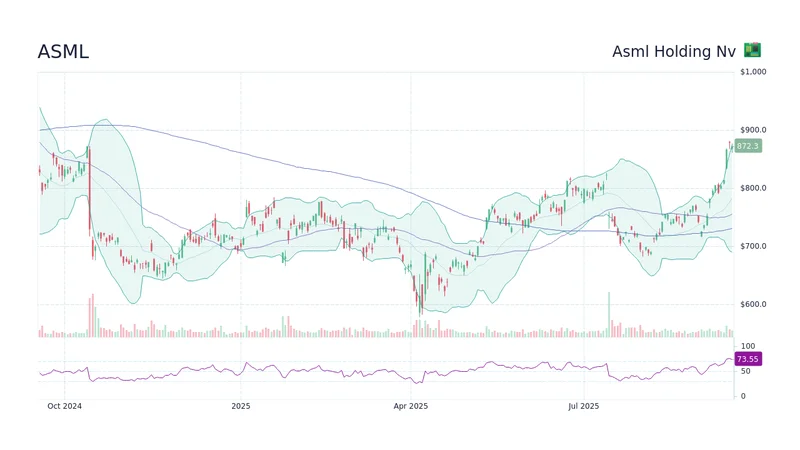
ASML's Future: The 2026 Vision and Why Its Next Breakthrough Changes Everything
ASMLIsn'tJustaStock,It'sthe...
-

The Nebius AI Breakthrough: Why This Changes Everything
It’snotoftenthatatypo—oratl...
-

The Great Up-Leveling: What's Happening Now and How We Step Up
Haveyoueverfeltlikeyou'redri...
- Search
- Recently Published
-
- Misleading Billions: The Truth About DeFi TVL - DeFi Reacts
- Secure Crypto: Unlock True Ownership - Reddit's HODL Guide
- Altcoin Season is "here.": What's *really* fueling the latest altcoin hype (and who benefits)?
- The Week's Pivotal Blockchain Moments: Unpacking the breakthroughs and their visionary future
- DeFi Token Performance Post-October Crash: What *actual* investors are doing and the brutal 2025 forecast
- Monad: A Deep Dive into its Potential and Price Trajectory – What Reddit is Saying
- MSTR Stock: Is This Bitcoin's Future on the Public Market?
- OpenAI News Today: Their 'Breakthroughs' vs. The Broken Reality
- Medicare 2026 Premium Surge: What We Know and Why It Matters
- Accenture: What it *really* is, its stock, and the AI game – What Reddit is Saying
- Tag list
-
- Blockchain (11)
- Decentralization (5)
- Smart Contracts (4)
- Cryptocurrency (26)
- DeFi (5)
- Bitcoin (30)
- Trump (5)
- Ethereum (8)
- Pudgy Penguins (5)
- NFT (5)
- Solana (5)
- cryptocurrency (6)
- XRP (3)
- Airdrop (3)
- MicroStrategy (3)
- Plasma (4)
- Zcash (7)
- Aster (10)
- qs stock (3)
- mstr stock (3)
- asts stock (3)
- investment advisor (4)
- morgan stanley (3)
- ChainOpera AI (4)
- federal reserve news today (4)