Silver Prices Reach New Highs: What the Data Reveals About the Surge vs. Gold
The Gold Rally Is Loud, But Silver's Signal Is Clearer
The financial world loves a big, round number. And in October 2025, that number is $4,000. Gold, the perennial crisis asset, has spent two days flirting with this psychological threshold, marking the second anniversary of the October 7th attacks with a fresh record high. The headlines write themselves: Gold price powers to record high, silver 14-year high, platinum 13-year peak, Goldman Sachs is now calling for nearly $5,000 by 2026, hedge fund titan Ken Griffin is publicly "concerned" about the velocity of the ascent, and central banks, we are told, continue to stack bars in their vaults.
This is the narrative we’re being sold: a world on fire, with institutions and nations alike scrambling for the ultimate safe haven. The data points seem to support it. Since the eve of that conflict in 2023, gold has surged an astonishing 118.7%. The drivers are textbook—a prolonged U.S. government shutdown, political chaos roiling France, a belligerent Russia, and the looming spectre of a second Trump presidency with all its attendant tariff and domestic uncertainties. You can almost hear the low hum of servers in Geneva and London as algorithms process the news and place their bids. It’s a clean, compelling story. But I've learned that the cleanest stories are often the most misleading. The real signal isn't coming from gold. It's coming from its cheaper, more volatile cousin.
Deconstructing the Institutional Narrative
Let's look closer at the institutional case for gold. The People's Bank of China is held up as a primary example of official sector demand. Yet, its reported purchase for September was a mere one tonne. I’ve looked at central bank filings for years, and a one-tonne purchase after a multi-month reporting pause is less a statement of conviction and more a token gesture. It feels like portfolio maintenance, not a strategic accumulation sprint. It’s just enough to keep the "central banks are buying" narrative alive without committing serious capital at record-high prices.
Then we have the warnings from within the system itself. Nicky Shiels at MKS Pamp correctly notes that gold looks like an "overcrowded trade that's overextended by every technical metric." Her analysis points to a crucial shift in thinking among the big players. When your gold allocation suddenly swells due to price appreciation, you stop being a simple accumulator and start becoming a risk manager. This means you're looking at options, derivatives, and even outright selling to lock in gains. The very institutions that drove the price up are now quietly eyeing the exits.
This isn't a simple, one-way street of panic buying. It’s a far more complex picture. Gold's rally is like a nation's strategic petroleum reserve; it's a massive, slow-moving buffer built by state-level actors against a perceived long-term catastrophe. Its movements tell you about geopolitical planning and institutional hedging. But if you want to know what the market is actually feeling—the raw, unfiltered anxiety on the street—you have to look elsewhere.
The Retail Panic Button
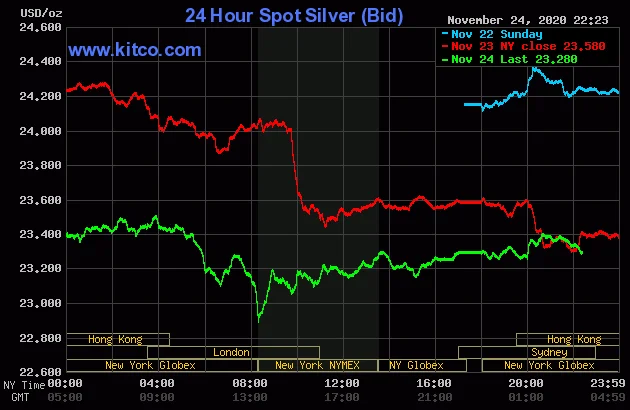
While gold has been climbing, silver has been sprinting. Since October 7th, 2023, silver has risen 127.8%. That's a significant outperformance over gold's already historic run. The gain is nearly ten percentage points higher—to be more exact, 9.1 points higher—than gold's over the same two-year period. And here is the single most important data point in this entire market: silver has achieved this without any meaningful official sector demand.
There are no central banks propping up the silver market. There are no sovereign wealth funds creating a floor under the price (a fact confirmed by analysts like Shiels). This means its price is driven almost entirely by industrial demand and investor speculation, primarily from retail and smaller funds. This isn't the calculated hedging of a central bank governor; this is the gut-level fear of the individual investor. Silver is the gasoline people are hoarding in their garages. While gold’s price reflects state-level strategy, silver’s reflects street-level panic.
As Rhona O’Connell at StoneX observes, "Silver is outperforming, as is its wont when gold is moving with conviction." But what does that "conviction" truly represent? In this case, it appears to be a profound and widespread distrust in fiat currency and political stability that extends far beyond the institutional players. While the headlines focus on gold breaching $4,000, silver has quietly hit a 14-year high and, in markets like India's MCX, is trading at all-time highs. This isn't a hedge. It's a stampede.
The divergence tells the real story. The gold rally is a loud, well-publicized institutional affair, full of conflicting signals and sophisticated risk management. The silver rally is a purer, more visceral reaction. It begs the question: What do these smaller, more agile market participants see that the larger institutions are perhaps too insulated to notice? Or, more worrisomely, are they simply the canaries in a coal mine, reacting to a toxicity in the monetary system that has yet to fully register in the boardrooms of New York and London?
A Divergence of Fear
My analysis suggests we are witnessing two different types of fear playing out simultaneously. The gold market reflects a calculated, institutional fear—the kind that buys insurance and hedges currency risk. The silver market, however, reflects a popular, almost primal fear—the kind that doubts the very system of insurance will exist tomorrow. The institutions are worried about their balance sheets; the retail silver buyer is worried about the value of the dollar in their pocket. And right now, the latter group is acting with far more urgency. The critical question is no longer if gold will hold $4,000, but rather, what happens to this frothy market when the institutional risk managers decide it's time to sell, and the only buyers left are the ones who have already pushed all their chips onto the table?

-

The Business of Plasma Donation: How the Process Works and Who the Key Players Are
Theterm"plasma"suffersfromas...
-

The Manyu Phenomenon: What Connects the Viral Crypto, the Tennis Star, and the Anime Legend
It’seasytodismisssportsasmer...
-
ASML's Future: The 2026 Vision and Why Its Next Breakthrough Changes Everything
ASMLIsn'tJustaStock,It'sthe...
-

The Nebius AI Breakthrough: Why This Changes Everything
It’snotoftenthatatypo—oratl...
-

The Great Up-Leveling: What's Happening Now and How We Step Up
Haveyoueverfeltlikeyou'redri...
- Search
- Recently Published
-
- Misleading Billions: The Truth About DeFi TVL - DeFi Reacts
- Secure Crypto: Unlock True Ownership - Reddit's HODL Guide
- Altcoin Season is "here.": What's *really* fueling the latest altcoin hype (and who benefits)?
- The Week's Pivotal Blockchain Moments: Unpacking the breakthroughs and their visionary future
- DeFi Token Performance Post-October Crash: What *actual* investors are doing and the brutal 2025 forecast
- Monad: A Deep Dive into its Potential and Price Trajectory – What Reddit is Saying
- MSTR Stock: Is This Bitcoin's Future on the Public Market?
- OpenAI News Today: Their 'Breakthroughs' vs. The Broken Reality
- Medicare 2026 Premium Surge: What We Know and Why It Matters
- Accenture: What it *really* is, its stock, and the AI game – What Reddit is Saying
- Tag list
-
- Blockchain (11)
- Decentralization (5)
- Smart Contracts (4)
- Cryptocurrency (26)
- DeFi (5)
- Bitcoin (30)
- Trump (5)
- Ethereum (8)
- Pudgy Penguins (5)
- NFT (5)
- Solana (5)
- cryptocurrency (6)
- XRP (3)
- Airdrop (3)
- MicroStrategy (3)
- Plasma (4)
- Zcash (7)
- Aster (10)
- qs stock (3)
- mstr stock (3)
- asts stock (3)
- investment advisor (4)
- morgan stanley (3)
- ChainOpera AI (4)
- federal reserve news today (4)