Hawaiian Airlines Is Officially Dead: The Alaska Merger and Why Everything's Already Breaking
So, let me get this straight.
For nearly a hundred years, the callsign "HAWAIIAN" meant something. It was the sound of sunshine, of plumeria, of heading home or heading to paradise. It was an identity. And on October 29th, Alaska Airlines finally killed it. The last flight using that iconic callsign, HA866, took off from Pago Pago, and just like that, a piece of aviation history was gone, swallowed whole by the corporate blob.
And on that very same day, the digital ghost of the new, combined airline decided to give up. The websites for both Alaska and Hawaiian went down in a spectacular face-plant, not because of some genius hacker, but because their entire world runs on Microsoft Azure, and Azure decided to take a nap.
You couldn't write a more perfect, more bitterly ironic scene if you tried. On the day they celebrated a "major integration milestone," the universe sent a clear message: "Congratulations on your new Borg cube. It's broken."
The "Remarkable" Self-Own
Alaska Air Group’s press release probably described the Alaska Airlines and Hawaiian Airlines reach major integration milestone: a single operating certificate as a moment of "synergy" and "remarkable care." I can just picture the back-slapping in some Seattle boardroom, the clinking of champagne glasses as they toasted the final erasure of the Hawaiian brand identity from the airwaves. Every bird in a Pualani livery would now answer to "ALASKA." Mission accomplished.
Meanwhile, back in the real world, chaos. Imagine being at HNL, trying to check in for your flight. The app is dead. The website is a 404 error. The kiosk is a brick. An airline agent, already looking like they've worked a 48-hour shift, tells you to get in a line that snakes back to the food court because some server farm in Virginia hiccuped. This is a bad look. No, 'bad' doesn't cover it—this is a five-alarm dumpster fire of corporate hubris.
They want us to believe this merger is good for us. Better routes, more points, a stronger airline. But what does it matter if the foundational tech is so fragile it shatters on Day One? What does it say about your "integration" when the first major test results in a total system failure? Does anyone in management see the symbolism here, or are they too busy counting the money they saved by firing redundant staff? I have to wonder if they even noticed.

This wasn't just some random glitch. This was poetry. It was the aviation gods looking down at the spreadsheet-driven destruction of a beloved brand and saying, "Oh, you think you're in charge?" It’s one thing to buy a company; it’s another to absorb its soul and expect no pushback from the cosmos itself.
Blame the Cloud, Not the Clowns
Offcourse, the official excuse is ready-made and bulletproof. "It wasn't our fault! It was a global Microsoft Azure outage!" And yes, they’re technically right. Reports show Costco, Office 365, and even Minecraft were on the fritz. It's the perfect corporate get-out-of-jail-free card. You can’t blame the airline for a cloud provider’s failure, right?
Wrong.
This is like building your shiny new billion-dollar headquarters on a single, massive pillar and then acting shocked when it develops a crack and the whole building sways. The decision to consolidate all your "key systems" onto a single cloud platform is a choice. It's a bet. You're betting on 100% uptime, on flawless performance, on someone else’s infrastructure. And on the very day you pop the corks to celebrate your merger, you lost that bet.
And let's not forget, this happened less than a week after another IT outage that canceled hundreds of flights. So, what exactly is the plan here? Are we just supposed to accept that flying now involves a lottery of whether the cloud is working that day? We're putting our trust, our money, and our physical safety in the hands of these companies, and they can't even guarantee their website will be online. It's insane. This ain't progress.
My damn smart-fridge probably runs on Azure and is one global outage away from refusing to dispense ice because it can’t phone home to Microsoft. We’ve built a world of incredible convenience balanced on a pinhead of catastrophic failure. They want us to trust them with our lives at 30,000 feet, but they can't even keep a simple booking system online, and honestly...
Then again, maybe I'm the crazy one. Maybe this is just the price of "efficiency." You strip-mine a company for its routes and its assets, erase its identity, and duct-tape its operations onto your own. If it breaks, you just blame the cloud. Lather, rinse, repeat.
The Ghost in the Machine Laughed
At the end of the day, it’s not really about Microsoft Azure. It’s about what was lost. The "HAWAIIAN" callsign wasn't just a string of letters; it was a promise. It represented a specific culture, a specific kind of care, a specific place. By replacing it with "ALASKA," the new owners sent a clear signal: that history is over. And the immediate, system-wide collapse of their digital front door was the universe’s perfect, brutal reply. It was an omen. A warning that when you create a bigger, more complex, and more impersonal machine, you also create a bigger, more complex, and more spectacular way for it to fail. The new, unified airline was born, and its first act was to fall flat on its face. A fitting epitaph for a brand that deserved a better ending.

-

The Business of Plasma Donation: How the Process Works and Who the Key Players Are
Theterm"plasma"suffersfromas...
-
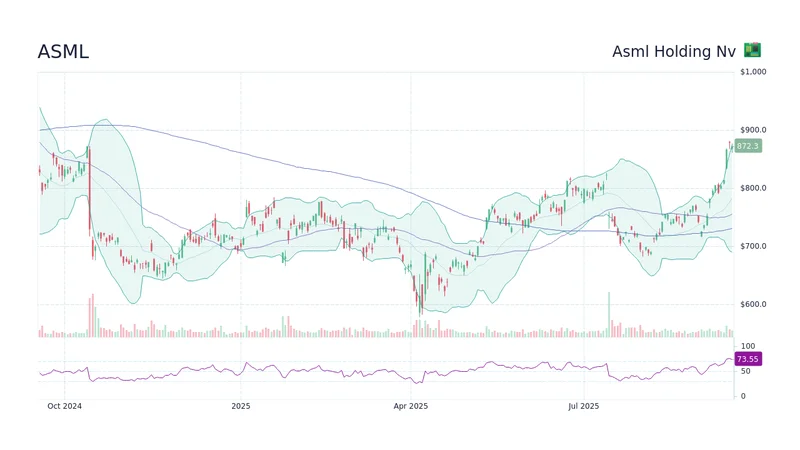
ASML's Future: The 2026 Vision and Why Its Next Breakthrough Changes Everything
ASMLIsn'tJustaStock,It'sthe...
-

The Manyu Phenomenon: What Connects the Viral Crypto, the Tennis Star, and the Anime Legend
It’seasytodismisssportsasmer...
-

The Nebius AI Breakthrough: Why This Changes Everything
It’snotoftenthatatypo—oratl...
-

Secure Crypto: Unlock True Ownership - Reddit's HODL Guide
Alright,folks,let'stalkcrypto....
- Search
- Recently Published
-
- Misleading Billions: The Truth About DeFi TVL - DeFi Reacts
- Secure Crypto: Unlock True Ownership - Reddit's HODL Guide
- Altcoin Season is "here.": What's *really* fueling the latest altcoin hype (and who benefits)?
- The Week's Pivotal Blockchain Moments: Unpacking the breakthroughs and their visionary future
- DeFi Token Performance Post-October Crash: What *actual* investors are doing and the brutal 2025 forecast
- Monad: A Deep Dive into its Potential and Price Trajectory – What Reddit is Saying
- MSTR Stock: Is This Bitcoin's Future on the Public Market?
- OpenAI News Today: Their 'Breakthroughs' vs. The Broken Reality
- Medicare 2026 Premium Surge: What We Know and Why It Matters
- Accenture: What it *really* is, its stock, and the AI game – What Reddit is Saying
- Tag list
-
- Blockchain (11)
- Decentralization (5)
- Smart Contracts (4)
- Cryptocurrency (26)
- DeFi (5)
- Bitcoin (30)
- Trump (5)
- Ethereum (8)
- Pudgy Penguins (5)
- NFT (5)
- Solana (5)
- cryptocurrency (6)
- XRP (3)
- Airdrop (3)
- MicroStrategy (3)
- Plasma (4)
- Zcash (7)
- Aster (10)
- qs stock (3)
- mstr stock (3)
- asts stock (3)
- investment advisor (4)
- morgan stanley (3)
- ChainOpera AI (4)
- federal reserve news today (4)