Federal Reserve's Interest Rate Dance: What's the Rhythm?
The Fed's Pivot: Are We Finally Landing This Thing?
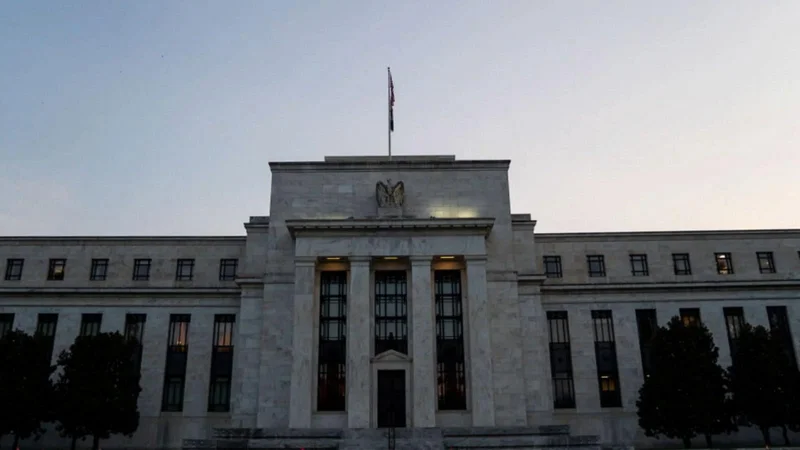
Alright folks, let's talk about the Fed. They just cut rates by 0.25%, bringing the target range down to 3.75-4.00%. Now, I know, I know, economics can sound drier than toast left out in the desert, but trust me, this is huge. It's not just about basis points and balance sheets; it's about what this means for you, for your jobs, your investments, and the overall feeling that maybe, just maybe, the economic rollercoaster we've been on is finally starting to level out.
Remember those aggressive rate hikes from 2022 and 2023? They were painful, no doubt about it. But they did their job, slamming the brakes on inflation, which had been running wild like a sugar-crazed toddler in a candy store. We saw Core PCE, that key inflation indicator, drop from over 5.5% to a much more manageable 2.9% in September 2025. But the fight isn't over, inflation is still above the Fed's 2% target.
The Data Tells a Story
But here's where it gets interesting. The Fed isn't just reacting to inflation anymore. They're looking at the labor market, and what they're seeing isn't exactly rosy. The August jobs report? A paltry 22,000 new jobs. September? Private employment actually declined by 32,000. And those revisions to past job growth? They painted a picture of slower growth than we initially thought. Bill Merz over at U.S. Bank Asset Management Group nailed it when he said those negative labor market revisions played a significant role in the Fed's decision making. It is worth asking, how much will the labor market impact future decisions? Federal Reserve Calibrates Interest Rate Policy Amid Softer Hiring and Lingering Inflation - U.S. Bank
Now, two FOMC voters dissented on this rate cut. One wanted a bigger cut, the other wanted no cut at all. That tells you there's still plenty of debate within the Fed itself about the best path forward. And Chairman Powell saying another cut in December is "far from" certain? That's the Fed's way of saying, "Hold your horses, folks, we're not out of the woods yet." It's like a doctor saying, "The surgery was successful, but the patient still needs to recover."
The markets, though, seem pretty optimistic. Investors are pricing in another rate cut this year and three more next year, bringing the policy rate down near 3% by the end of 2026. The stock market's strength, despite all the economic uncertainty, suggests investors believe the Fed is responding to past soft data, not necessarily anticipating a major slowdown in future growth. Is it wishful thinking? Maybe. But hey, a little optimism never hurt anyone, right?
And let's not forget the Fed's balance sheet. They're stopping the reduction of their $6.3 trillion in bond holdings on December 1st. That's another sign they're easing up on the monetary brakes.
The ten-year Treasury yield is hovering around 4.1%, reflecting those expectations for further rate cuts. And stocks? They've been on a tear, hitting all-time highs despite all the volatility we saw earlier in the year.
What does this all mean? It means the Fed is trying to walk a tightrope, balancing the need to keep inflation in check with the need to support a slowing economy. It's a delicate dance, and there's no guarantee they'll pull it off perfectly. But the fact that they're even trying to pivot, to ease up on the monetary brakes, is a sign that they believe the worst may be behind us. And that, my friends, is something to be optimistic about.
It's a New Dawn, Isn't It?
This isn't just about economics; it's about human potential. Imagine a world where businesses can invest and grow, where people can afford to buy homes and start families, where innovation flourishes because capital is readily available. That's the kind of world the Fed is trying to create, and while there are no guarantees, this rate cut is a step in the right direction. Of course, we have to be mindful of the potential risks. Lower interest rates can fuel asset bubbles and encourage excessive risk-taking. It's crucial that we proceed with caution and ensure that this newfound optimism doesn't lead to complacency. But for now, let's allow ourselves a moment of hope. The Fed's pivot may just be the catalyst we need to unlock a new era of prosperity and innovation.

-

The Business of Plasma Donation: How the Process Works and Who the Key Players Are
Theterm"plasma"suffersfromas...
-

The Manyu Phenomenon: What Connects the Viral Crypto, the Tennis Star, and the Anime Legend
It’seasytodismisssportsasmer...
-

The Nebius AI Breakthrough: Why This Changes Everything
It’snotoftenthatatypo—oratl...
-
ASML's Future: The 2026 Vision and Why Its Next Breakthrough Changes Everything
ASMLIsn'tJustaStock,It'sthe...
-

The Great Up-Leveling: What's Happening Now and How We Step Up
Haveyoueverfeltlikeyou'redri...
- Search
- Recently Published
-
- Misleading Billions: The Truth About DeFi TVL - DeFi Reacts
- Secure Crypto: Unlock True Ownership - Reddit's HODL Guide
- Altcoin Season is "here.": What's *really* fueling the latest altcoin hype (and who benefits)?
- The Week's Pivotal Blockchain Moments: Unpacking the breakthroughs and their visionary future
- DeFi Token Performance Post-October Crash: What *actual* investors are doing and the brutal 2025 forecast
- Monad: A Deep Dive into its Potential and Price Trajectory – What Reddit is Saying
- MSTR Stock: Is This Bitcoin's Future on the Public Market?
- OpenAI News Today: Their 'Breakthroughs' vs. The Broken Reality
- Medicare 2026 Premium Surge: What We Know and Why It Matters
- Accenture: What it *really* is, its stock, and the AI game – What Reddit is Saying
- Tag list
-
- Blockchain (11)
- Decentralization (5)
- Smart Contracts (4)
- Cryptocurrency (26)
- DeFi (5)
- Bitcoin (30)
- Trump (5)
- Ethereum (8)
- Pudgy Penguins (5)
- NFT (5)
- Solana (5)
- cryptocurrency (6)
- XRP (3)
- Airdrop (3)
- MicroStrategy (3)
- Plasma (4)
- Zcash (7)
- Aster (10)
- qs stock (3)
- mstr stock (3)
- asts stock (3)
- investment advisor (4)
- morgan stanley (3)
- ChainOpera AI (4)
- federal reserve news today (4)