Merrill Lynch's Moderate Growth Target: What's Behind the Numbers?
Merrill Lynch's "Moderate Growth" Is a Calculated Retreat
Merrill Lynch, the wealth management arm of Bank of America, is talking about "moderate growth." But let's be honest, in the world of finance, "moderate" often translates to "we're playing defense." The official line is a shift toward sustainable, client-centered growth, leveraging BofA's existing client base. They aim to double organic growth. Sounds good, right?
Digging Into the Numbers: Internal Referrals Are Key
The core of Merrill's plan hinges on tapping into Bank of America's massive retail client base. The claim is that nearly 20% of Merrill’s new clients in 2024 came from internal BofA referrals. That’s a solid number, suggesting the integration is working. But here's what they don't tell you: what percentage of those referrals convert into significant assets under management? Are these high-net-worth individuals, or just folks opening basic brokerage accounts? Without that conversion rate, the 20% figure is just window dressing.
Merrill's co-heads, Eric Schimpf and Lindsay Hans, are aiming for a 4% to 5% annual organic growth rate in the medium term (three to five years). Schimpf argues they have the “power and scale to be outpacing the industry.” He even dangles the carrot of capturing just 1% of the $10 trillion opportunity available in tapping BofA clients, which he claims could result in $100 billion in net new asset growth per year. That would supposedly get them halfway to their medium-term growth targets.
But let's unpack this: 1% of $10 trillion is, in fact, $100 billion. The math checks out. However, that $10 trillion figure is a potential opportunity. How much of that is realistically addressable? How much is tied up in existing investments, illiquid assets, or simply clients who are happy where they are? These are crucial questions that aren't being answered.
And this is the part of the report that I find genuinely puzzling. If they're so confident in their ability to convert BofA clients, why aren't they setting more aggressive targets? A moderate growth strategy suggests they're either facing internal constraints (compliance, risk management) or they're not as confident in their conversion capabilities as they claim.

The Advisor Exodus: A Symptom, Not a Strategy
While Merrill talks about deepening relationships with existing teams, the industry whispers tell a different story. The revolving door of advisors jumping ship to competitors like Wells Fargo isn't just noise; it's a symptom of a larger problem. (Remember Andy Sieg, who used to lead Merrill before jumping to Citigroup? That's never a good sign.) A five-person team managing $1 billion in client assets recently skipped to Wells Fargo in Bellevue, Washington. That's a sizable chunk of AUM walking out the door. Billion-Dollar Merrill Lynch Team Skips to Wells Fargo in Washington State
Of course, Merrill also hired a team from Wells that managed $550 million in assets. These advisor swaps are common, but the net flow is what matters. Are they gaining more than they're losing? Merrill and Wells Fargo executives have been touting low attrition, but those are carefully crafted narratives. What's the actual attrition rate, accounting for both advisor departures and the AUM they take with them? The data remains conveniently obscured.
Merrill is also pushing alternative investments for ultra-high-net-worth clients, launching the "Alts Expanded Access Program." They claim alternatives comprise 17% of young HNW investors' portfolios, and 93% plan to increase their allocation. This is a classic case of cherry-picking data. While it's true that some young HNW investors are interested in alternatives, that doesn't mean it's a universally successful strategy. Alternatives are complex, illiquid, and often carry higher fees. Are Merrill's advisors adequately equipped to explain these risks to clients, or are they just chasing higher commissions?
A Calculated Slowdown or Something Else?
Merrill Lynch's "moderate growth" strategy isn't necessarily a bad thing. A focus on client retention, quality service, and digital modernization is a sound approach. But the narrative they're selling doesn't quite match the underlying data. Are they truly confident in their ability to tap into BofA's client base, or are they simply managing expectations in a challenging market environment? The answer, as always, lies somewhere in the numbers they're not showing us.
Smoke and Mirrors?

-

The Business of Plasma Donation: How the Process Works and Who the Key Players Are
Theterm"plasma"suffersfromas...
-
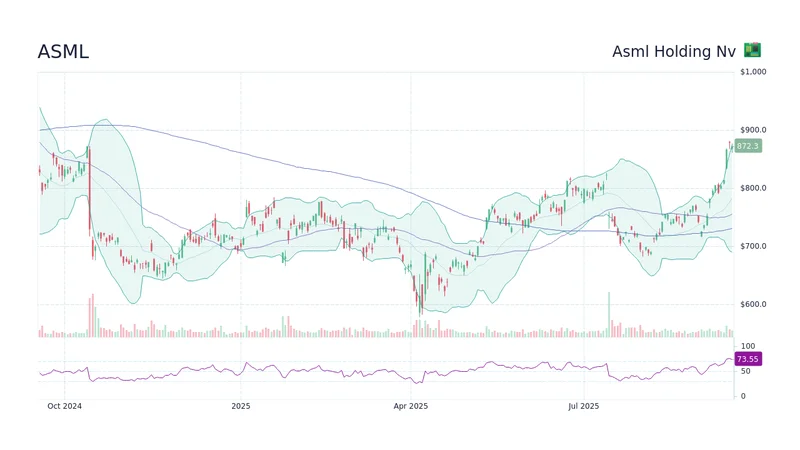
ASML's Future: The 2026 Vision and Why Its Next Breakthrough Changes Everything
ASMLIsn'tJustaStock,It'sthe...
-

The Manyu Phenomenon: What Connects the Viral Crypto, the Tennis Star, and the Anime Legend
It’seasytodismisssportsasmer...
-

The Nebius AI Breakthrough: Why This Changes Everything
It’snotoftenthatatypo—oratl...
-

Secure Crypto: Unlock True Ownership - Reddit's HODL Guide
Alright,folks,let'stalkcrypto....
- Search
- Recently Published
-
- Misleading Billions: The Truth About DeFi TVL - DeFi Reacts
- Secure Crypto: Unlock True Ownership - Reddit's HODL Guide
- Altcoin Season is "here.": What's *really* fueling the latest altcoin hype (and who benefits)?
- The Week's Pivotal Blockchain Moments: Unpacking the breakthroughs and their visionary future
- DeFi Token Performance Post-October Crash: What *actual* investors are doing and the brutal 2025 forecast
- Monad: A Deep Dive into its Potential and Price Trajectory – What Reddit is Saying
- MSTR Stock: Is This Bitcoin's Future on the Public Market?
- OpenAI News Today: Their 'Breakthroughs' vs. The Broken Reality
- Medicare 2026 Premium Surge: What We Know and Why It Matters
- Accenture: What it *really* is, its stock, and the AI game – What Reddit is Saying
- Tag list
-
- Blockchain (11)
- Decentralization (5)
- Smart Contracts (4)
- Cryptocurrency (26)
- DeFi (5)
- Bitcoin (30)
- Trump (5)
- Ethereum (8)
- Pudgy Penguins (5)
- NFT (5)
- Solana (5)
- cryptocurrency (6)
- XRP (3)
- Airdrop (3)
- MicroStrategy (3)
- Plasma (4)
- Zcash (7)
- Aster (10)
- qs stock (3)
- mstr stock (3)
- asts stock (3)
- investment advisor (4)
- morgan stanley (3)
- ChainOpera AI (4)
- federal reserve news today (4)