Dow Jones Stock Markets: Volatility and Tech Sell-Off
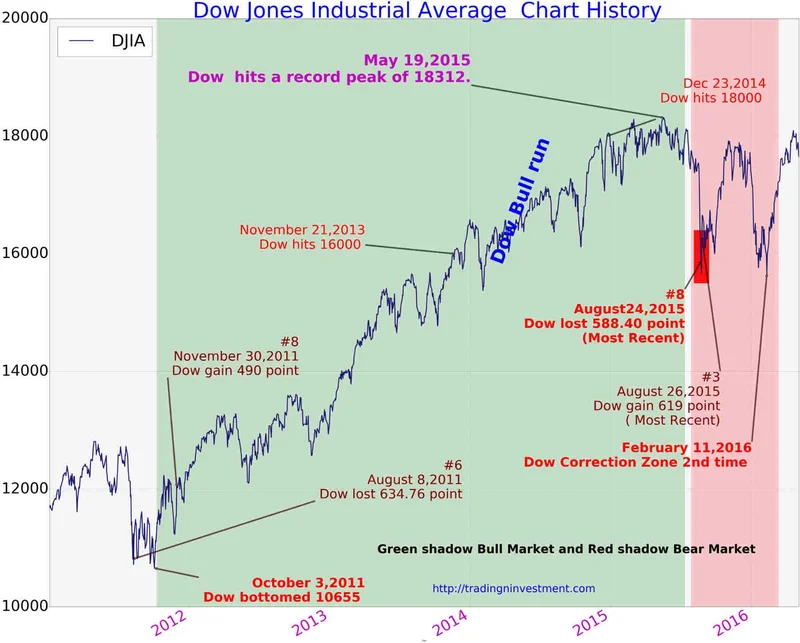
Alright, let's cut through the noise. The Nasdaq took a 3% hit this week, its worst since April. The S&P 500 wasn't far behind, down nearly 2%. The Dow? Only a 1% dip, but still, nobody's popping champagne. The so-called "Magnificent Seven" are looking a little less magnificent, and more like the "Mediocre Seven" after this week’s performance. Stock market today: Dow, S&P 500, Nasdaq end volatile week lower amid worst tech sell-off since April - Yahoo Finance
Sentiment Sinks, Reality Bites
The University of Michigan's consumer sentiment survey is flashing warning signs. A reading of 50.3? That's not just bad; it's "worst since 2022" bad. And the reason? Fear. Specifically, fear of a government shutdown and its potential impact on personal finances. It's a self-fulfilling prophecy, really. Fear breeds inaction, inaction slows the economy, and the economy confirms the fear.
Then there's the jobs report. Or, rather, the lack of a jobs report. Delayed for the second month running because of the shutdown. It's hard to get a handle on things when you're flying blind. The last real look we had was back in August, showing a 4.3% unemployment rate. Ancient history in today's market.
Tesla's been a rollercoaster, as usual. Shares dipped after shareholders signed off on Elon Musk's potentially $1 trillion pay package. (Yes, you read that right. Trillion, with a "T.") And then Musk dangles the "gigantic chip fab" carrot, maybe with Intel. Shareholders cheered, presumably because they're still high on the fumes of potential. He also said the new Roadster will be unveiled on April Fool's Day, with production a year later. I'll believe it when I see it.
Meta's in the mix too. Down 1% amidst the tech sell-off. They're throwing $600 billion at U.S. infrastructure and AI data centers over the next three years. That's a big bet on AI. A really big bet. But then comes the kicker: Meta estimates its platforms show users 15 billion scam ads a day. Fifteen billion! They project 10% of their revenue ($16 billion) will come from those scams in 2024. So, they're profiting handsomely off of defrauding their own users, basically. And this is the part of the report that I find genuinely puzzling. Are they really okay with this? Or is it a cost of doing business at this scale?
Oil, Gold, and Crypto: A Mixed Bag
Oil's up, gold's potentially peaked (according to Macquarie analysts), and Bitcoin's hovering around $103,800 per token, but on pace for a 6% weekly loss. Bitcoin briefly slipped below $100,000 several times this week. The crypto market has wiped out almost all its rise in value this year, and the overall value of digital assets is now lower than when President Trump took office. Since late June, net sales from long-term Bitcoin holders have exceeded 1 million bitcoin. Are the long-term holders losing faith?
Speaking of losing faith, Opendoor Technologies stock tanked after reporting its lowest quarterly revenue in about two years. Constellation Energy missed earnings estimates, and Block shares declined after missing on both revenue and earnings. On the flip side, Airbnb rose on international bookings, Expedia jumped after raising its 2025 forecast, and Wendy's popped. Honda, however, saw its stock fall almost 2% in premarket trading. DraftKings also fell after cutting its full-year sales outlook.
October job cuts hit their highest level for the month in more than 20 years. The layoffs feel different this time. It's not just about trimming the fat; it's about fundamentally rethinking business models.
Investors are getting cold feet about the AI spending frenzy. Are these valuations sustainable? That's the billion-dollar question (or, more accurately, the trillion-dollar question). Consumers with large stock holdings are still feeling optimistic, seeing an 11% increase in sentiment. But that's a small, skewed sample. The average Joe is feeling the pinch.
Chinese exports contracted 1.1% in October, with shipments to the U.S. down 25% year-over-year. This isn't just a blip; it's a trend. And it’s a trend that's going to have ripple effects across the global economy.
Data Suggests a Course Correction
The market's acting like a coiled spring, ready to snap. The tech sector, in particular, feels overvalued and vulnerable. The consumer sentiment data is a clear warning sign that the good times might be coming to an end. The scam ad revenue at Meta is not sustainable. The job cuts are a symptom of a deeper malaise. The question isn't whether a correction is coming, but when and how severe it will be.

-

The Business of Plasma Donation: How the Process Works and Who the Key Players Are
Theterm"plasma"suffersfromas...
-

The Manyu Phenomenon: What Connects the Viral Crypto, the Tennis Star, and the Anime Legend
It’seasytodismisssportsasmer...
-
ASML's Future: The 2026 Vision and Why Its Next Breakthrough Changes Everything
ASMLIsn'tJustaStock,It'sthe...
-

The Nebius AI Breakthrough: Why This Changes Everything
It’snotoftenthatatypo—oratl...
-

The Great Up-Leveling: What's Happening Now and How We Step Up
Haveyoueverfeltlikeyou'redri...
- Search
- Recently Published
-
- Misleading Billions: The Truth About DeFi TVL - DeFi Reacts
- Secure Crypto: Unlock True Ownership - Reddit's HODL Guide
- Altcoin Season is "here.": What's *really* fueling the latest altcoin hype (and who benefits)?
- The Week's Pivotal Blockchain Moments: Unpacking the breakthroughs and their visionary future
- DeFi Token Performance Post-October Crash: What *actual* investors are doing and the brutal 2025 forecast
- Monad: A Deep Dive into its Potential and Price Trajectory – What Reddit is Saying
- MSTR Stock: Is This Bitcoin's Future on the Public Market?
- OpenAI News Today: Their 'Breakthroughs' vs. The Broken Reality
- Medicare 2026 Premium Surge: What We Know and Why It Matters
- Accenture: What it *really* is, its stock, and the AI game – What Reddit is Saying
- Tag list
-
- Blockchain (11)
- Decentralization (5)
- Smart Contracts (4)
- Cryptocurrency (26)
- DeFi (5)
- Bitcoin (30)
- Trump (5)
- Ethereum (8)
- Pudgy Penguins (5)
- NFT (5)
- Solana (5)
- cryptocurrency (6)
- XRP (3)
- Airdrop (3)
- MicroStrategy (3)
- Plasma (4)
- Zcash (7)
- Aster (10)
- qs stock (3)
- mstr stock (3)
- asts stock (3)
- investment advisor (4)
- morgan stanley (3)
- ChainOpera AI (4)
- federal reserve news today (4)