Solar Power: What's Happening and the Real Cost – What Reddit is Saying
Australia's "Free Solar" Promise: Too Good To Be True?
Australia is promising free solar power to households for three hours a day, even if they don't have their own solar panels. The program, set to launch in New South Wales, south-east Queensland, and South Australia in July of next year, aims to shift electricity demand to off-peak, sunny times. The idea is simple: with excess solar generation during the day, why not let people run their appliances for free? Australians to get at least three hours a day of free solar power - even if they don’t have solar panels
The Devil's in the Default Market Offer
The "solar sharer" scheme hinges on a change to the default market offer (DMO), which sets the maximum electricity price retailers can charge. Climate Change and Energy Minister Chris Bowen claims this will ensure "every last ray of sunshine was powering our homes.” This is supposed to minimize peak electricity prices and reduce the need for grid upgrades. The government is betting that shifting demand from peak times (early evening) to sunny midday will stabilize the grid and save everyone money.
But here's where the numbers need a closer look. The Australian Energy Council, representing generators and retailers, is already crying foul, citing a lack of consultation and potential "unintended consequences." What consequences, exactly? They fear businesses exiting the market and damage to industry confidence.
Let's break this down. Retailers operate on margins. If they're forced to give away electricity for three hours a day, they'll recoup those losses elsewhere. Nationals senator Matt Canavan is already predicting that consumers will pay more at other times of the day to compensate. This isn't necessarily a conspiracy; it's basic economics. If the free solar power is subsidized by higher prices during peak hours, is it really free? Or is it just a redistribution of costs?
And this is the part of the report that I find genuinely puzzling. The government claims that shifting demand will lower costs for everyone by reducing peak demand. But how much will peak demand actually be reduced? What percentage of households will realistically shift their energy consumption to the middle of the day? Are we talking about a 5% shift, or a 50% shift? The success of this scheme hinges on behavioral changes, and behavioral changes are notoriously hard to predict. Details on the projected demand shift are scarce.
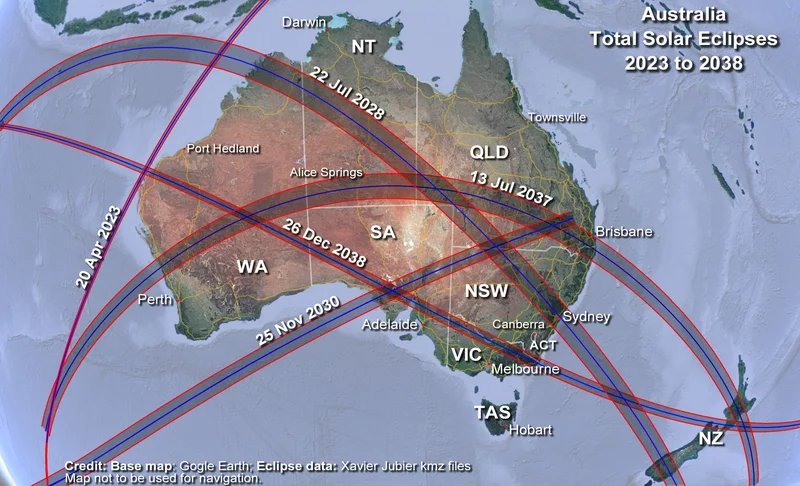
Consider this: Australians have installed over 4 million solar systems. That's a significant chunk of the population already generating their own power during the day. The real target here are renters and those without solar panels – but will they actually change their habits? Will people start doing laundry at noon instead of after work?
The Hailstorm Reality Check
There's another factor to consider: the lifespan and reliability of solar panels themselves. Recent hailstorms in south-east Queensland, for example, caused significant damage to rooftop solar panels. Experts are warning about the dangers of damaged panels, including potential fires. So, while the government is promoting free solar power, homeowners are simultaneously facing the risk of costly repairs and safety hazards. Damaged solar panels can be dangerous. Here's what to do if wild weather has impacted yours
The insurance angle is also worth examining. While most home insurance policies should cover solar panel damage from hailstorms, it's another expense and hassle for homeowners. Plus, insurers recommend shutting down solar systems during storms. So, that free solar power becomes unavailable precisely when you might need it most – during extreme weather events.
And what about Pakistan? While seemingly unrelated, Pakistan is experiencing a rooftop solar revolution driven by cheap Chinese imports. The fact that individuals are choosing solar due to unreliable and expensive grids suggests a broader trend: people are taking energy matters into their own hands, often out of necessity.
A Gimmick Wrapped in Green?
The Australian government's "solar sharer" scheme sounds good on paper. Free solar power! Who wouldn't want that? But a closer look reveals potential pitfalls. The lack of consultation with energy retailers, the reliance on behavioral changes, and the real-world risks of solar panel damage all raise serious questions. Until we see concrete data on demand shifts and cost savings, this feels more like a PR stunt than a genuine solution to rising electricity prices.

-
The Business of Plasma Donation: How the Process Works and Who the Key Players Are
Theterm"plasma"suffersfromas...
-
The Manyu Phenomenon: What Connects the Viral Crypto, the Tennis Star, and the Anime Legend
It’seasytodismisssportsasmer...
-
The Nebius AI Breakthrough: Why This Changes Everything
It’snotoftenthatatypo—oratl...
-
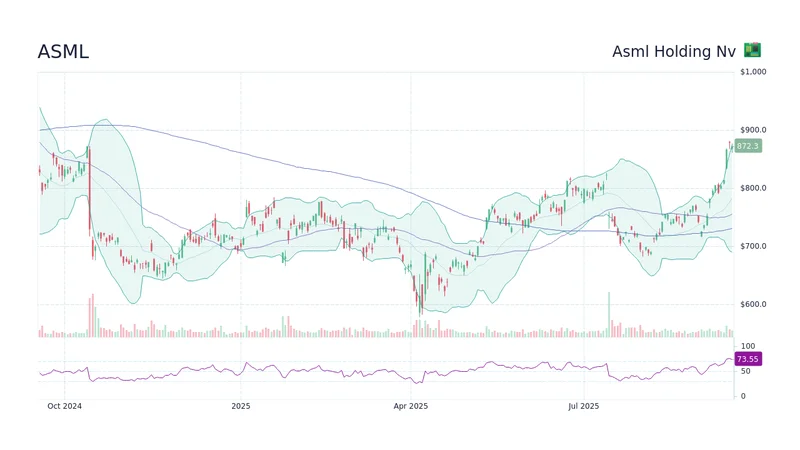
ASML's Future: The 2026 Vision and Why Its Next Breakthrough Changes Everything
ASMLIsn'tJustaStock,It'sthe...
-

The Great Up-Leveling: What's Happening Now and How We Step Up
Haveyoueverfeltlikeyou'redri...
- Search
- Recently Published
-
- Misleading Billions: The Truth About DeFi TVL - DeFi Reacts
- Secure Crypto: Unlock True Ownership - Reddit's HODL Guide
- Altcoin Season is "here.": What's *really* fueling the latest altcoin hype (and who benefits)?
- The Week's Pivotal Blockchain Moments: Unpacking the breakthroughs and their visionary future
- DeFi Token Performance Post-October Crash: What *actual* investors are doing and the brutal 2025 forecast
- Monad: A Deep Dive into its Potential and Price Trajectory – What Reddit is Saying
- MSTR Stock: Is This Bitcoin's Future on the Public Market?
- OpenAI News Today: Their 'Breakthroughs' vs. The Broken Reality
- Medicare 2026 Premium Surge: What We Know and Why It Matters
- Accenture: What it *really* is, its stock, and the AI game – What Reddit is Saying
- Tag list
-
- Blockchain (11)
- Decentralization (5)
- Smart Contracts (4)
- Cryptocurrency (26)
- DeFi (5)
- Bitcoin (30)
- Trump (5)
- Ethereum (8)
- Pudgy Penguins (5)
- NFT (5)
- Solana (5)
- cryptocurrency (6)
- XRP (3)
- Airdrop (3)
- MicroStrategy (3)
- Plasma (4)
- Zcash (7)
- Aster (10)
- qs stock (3)
- mstr stock (3)
- asts stock (3)
- investment advisor (4)
- morgan stanley (3)
- ChainOpera AI (4)
- federal reserve news today (4)