Aster's Airdrop Disaster: What 'Data Inconsistencies' Really Means
So, let me get this straight. A new crypto project, Aster, pops up with ties to the biggest name in the game, CZ. Almost overnight, it’s posting trading volumes that would make your eyes water—$60 billion in a single day. It’s the talk of the town, the next big thing, the project that’s going to flip its competitors and make everyone rich.
Then, someone actually bothers to look under the hood.
And what do they find? The engine looks suspiciously like it was Xeroxed from its big brother, Binance. The numbers are a little too perfect. The whole operation feels less like a revolutionary financial machine and more like a Potemkin village. From a distance, it’s a bustling metropolis of trading activity. But when you get close and try to open a door, you find out it’s just a painted piece of plywood.
Now, with a major US exchange listing just days away, the plywood is starting to warp. And I have to ask: are we really supposed to pretend we don’t see it?
The Phantom Volume Problem
Let’s not mince words here. DefiLlama, one of the few analytics platforms in this space with a shred of integrity, took one look at Aster’s perpetuals volume and basically said, "Nope." They didn't just question the numbers; they delisted them entirely.
Why? Because, according to co-founder 0xngmi, Aster’s trading volume was "mirroring Binance Perp volumes almost exactly." The correlation was nearly a perfect 1-to-1. This isn't a sign of healthy, organic growth. This is the statistical equivalent of a kid copying his friend's homework and forgetting to change the name at the top of the page. It's either the most incredible coincidence in financial history, or its blatant wash trading designed to manufacture hype.
When DefiLlama asked for the granular data—you know, the basic stuff like who is making and filling orders, the kind of transparency a "decentralized exchange" is supposed to be built on—they got nothing. Silence. So, until they can verify the trades are real, the volume is off the books. What does that tell you? If your numbers are legit, you shout them from the rooftops and hand over the receipts. You don't just go quiet.
The CZ connection through his fund, YZi Labs, is supposed to be a stamp of approval. Instead, it just makes the whole thing murkier. Does his involvement grant a project immunity from basic scrutiny? Are we just supposed to trust the numbers because of who is standing behind the curtain? Give me a break. If anything, the close ties to Binance make the mirrored volume even more suspect, not less. It raises questions that nobody seems to want to answer.
An Airdrop "Corrected" by Angry Tweets
Just as the questions about its volume were hitting a fever pitch, Aster decided to pour gasoline on the fire with its airdrop. They rolled out their checker, letting 150,000-plus "qualified" wallets see their glorious payday.
The reaction was, to put it mildly, not great. The crypto corner of X (formerly Twitter) was instantly flooded with users complaining their allocations were garbage. People who had traded millions in volume were being offered a few hundred tokens. It was a mess. One guy with nearly $9 million in volume was looking at a measly 336 ASTER.

At first, the project’s account responded with a word-salad tweet about "multiple factors" and "proportional conversion." It was classic corporate PR-speak meant to shut people up. But it didn't work. The outrage was too loud. And then, just hours later, a miracle! Aster announced it had discovered "potential data inconsistencies," leading to the Aster Airdrop Delayed Due to 'Data Inconsistencies' With Token Allocations.
This is a bad look. No, 'bad' doesn't cover it—this is a five-alarm dumpster fire of incompetence and suspicion. You're telling me a multi-billion dollar project, supposedly handling tens of billions in daily volume, can't run a simple spreadsheet to calculate an airdrop? And this "inconsistency" was only discovered after the entire community called them out for being cheap? Offcourse, they promised that for "most users," the new numbers won't be lower. How generous.
It feels less like a technical error and more like they got caught with their hand in the cookie jar. They tried to get away with a lowball airdrop, got roasted for it, and are now scrambling to fix their "miscalculation." This isn't just a glitch; it's a fundamental breach of trust at the worst possible time. The whole thing with airdrops these days has gotten out of hand anyway, turning into this bizarre loyalty test where...
But I digress. The point is, this project is showing all the signs of being a house of cards. And the wind is starting to pick up.
The Binance.US Listing: A Final Test of Faith
And here’s the kicker. All of this drama—the phantom volume, the botched airdrop, the angry users—is happening just before the main event: the Aster (ASTER) - Binance.US Listing - 16 Oct 2025. This is supposed to be Aster’s grand entrance onto the American stage. The moment the floodgates of US retail money open up.
Instead, the project is limping toward the finish line, trailing smoke and shedding parts.
What happens now? Does the hype machine, powered by CZ’s aura and months of manufactured momentum, have enough fuel to ignore these massive red flags? Will a fresh wave of US traders, unaware of the backstory, pile in and pump the price, providing the perfect exit for early insiders? Or will the stench of wash trading and a bungled airdrop be enough to make people pause?
I honestly don’t know. Then again, maybe I'm the crazy one here. Maybe this is just how billion-dollar crypto projects are born in 2025: on a foundation of questionable data, PR spin, and a "fix it later" attitude. Maybe the market just doesn't care about integrity as long as the number goes up.
But putting your money into ASTER right now feels less like an investment and more like a bet at the craps table, only the casino looks like it might be a cardboard cutout.
So, Who's Getting Played Here?
Let's be real. When a project's volume looks fake, and its airdrop only gets "fixed" after public outrage, and its biggest catalyst is a listing that brings in fresh, uninformed money... you have to ask yourself who the product really is. It sure feels like the retail traders lining up on Binance.US are about to become the exit liquidity. This whole saga doesn't smell like the future of finance. It smells like a carefully orchestrated pump, and the clock is ticking. I wouldn't touch it with a ten-foot pole.

-

The Business of Plasma Donation: How the Process Works and Who the Key Players Are
Theterm"plasma"suffersfromas...
-

The Manyu Phenomenon: What Connects the Viral Crypto, the Tennis Star, and the Anime Legend
It’seasytodismisssportsasmer...
-
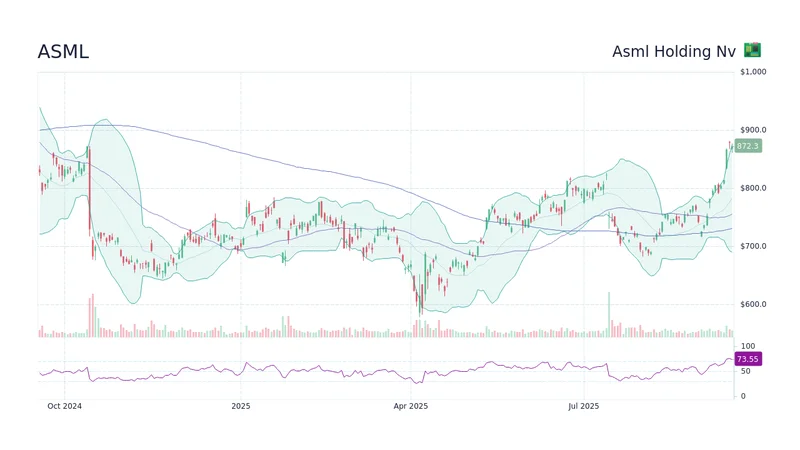
ASML's Future: The 2026 Vision and Why Its Next Breakthrough Changes Everything
ASMLIsn'tJustaStock,It'sthe...
-

The Nebius AI Breakthrough: Why This Changes Everything
It’snotoftenthatatypo—oratl...
-

The Great Up-Leveling: What's Happening Now and How We Step Up
Haveyoueverfeltlikeyou'redri...
- Search
- Recently Published
-
- Misleading Billions: The Truth About DeFi TVL - DeFi Reacts
- Secure Crypto: Unlock True Ownership - Reddit's HODL Guide
- Altcoin Season is "here.": What's *really* fueling the latest altcoin hype (and who benefits)?
- The Week's Pivotal Blockchain Moments: Unpacking the breakthroughs and their visionary future
- DeFi Token Performance Post-October Crash: What *actual* investors are doing and the brutal 2025 forecast
- Monad: A Deep Dive into its Potential and Price Trajectory – What Reddit is Saying
- MSTR Stock: Is This Bitcoin's Future on the Public Market?
- OpenAI News Today: Their 'Breakthroughs' vs. The Broken Reality
- Medicare 2026 Premium Surge: What We Know and Why It Matters
- Accenture: What it *really* is, its stock, and the AI game – What Reddit is Saying
- Tag list
-
- Blockchain (11)
- Decentralization (5)
- Smart Contracts (4)
- Cryptocurrency (26)
- DeFi (5)
- Bitcoin (30)
- Trump (5)
- Ethereum (8)
- Pudgy Penguins (5)
- NFT (5)
- Solana (5)
- cryptocurrency (6)
- XRP (3)
- Airdrop (3)
- MicroStrategy (3)
- Plasma (4)
- Zcash (7)
- Aster (10)
- qs stock (3)
- mstr stock (3)
- asts stock (3)
- investment advisor (4)
- morgan stanley (3)
- ChainOpera AI (4)
- federal reserve news today (4)