PATCO Service Shutdown: Analyzing the Power Failure and Commuter Impact
The Anatomy of a Three-Hour Failure: Deconstructing the PATCO Shutdown
On Wednesday morning, the intricate system that moves tens of thousands of people between New Jersey and Philadelphia didn't just bend; it broke. For three hours, the PATCO rail line, a vital economic artery, went dark. The official narrative is simple: a power surge from PSE&G caused a catastrophic failure at the Westmont Substation, blowing fuses and halting all train operations. A tidy, external explanation.
But a single power surge doesn’t just happen in a vacuum. A three-hour system-wide shutdown during peak commuting hours is not merely an operational hiccup; it’s a data point. And when you place that data point alongside the concurrent struggles plaguing the region’s other major transit authority, SEPTA, the picture becomes alarmingly clear. This wasn’t an accident. It was an outcome—a predictable result of a system operating with a dangerously thin margin for error.
The shutdown lasted for about three hours—to be more precise, from roughly 7:40 a.m. until service was restored at 10:30 a.m. In that window, the carefully choreographed dance of the morning commute devolved into chaos. Imagine the scene: a crowded platform at the Lindenwold station, the air thick with the low hum of anticipation, suddenly goes quiet. The digital signs flash a sterile, unhelpful message. A wave of phone screens lights up in unison as thousands of people simultaneously receive the alert and begin the frantic search for an alternative. That collective groan is the sound of lost productivity, missed meetings, and frayed patience.
The response was textbook crisis management. NJ Transit initiated cross-honoring for PATCO tickets, and shuttle buses were deployed. These are necessary, reactive measures. But they don’t address the core vulnerability. Why does a single point of failure (a power surge at one substation) have the capacity to paralyze an entire bi-state rail line for a full morning?
The Fragility Index
Think of the public utility grid and the transit system as two massive, interlocking gears. In a well-engineered machine, they mesh seamlessly. But if the gears are old, worn down from years of deferred maintenance, they become brittle. The PSE&G power surge wasn't just a bump; it was like a shard of metal getting caught between the teeth. It didn't just cause a minor chip; it sheared off the fuses on the PATCO gear, jamming the entire mechanism. A robust system would have redundancies—a secondary power feed, faster-switching circuit breakers—to isolate such a failure and keep the machine running, even at reduced capacity. The three-hour outage suggests those redundancies either don't exist or are insufficient.
This leads to a critical set of questions the official reports don't answer. What was the magnitude of this power surge? Are such events common, and if so, what are the protocols to shield critical infrastructure like the Westmont Substation? Details on the exact nature of the failure remain opaque, but the result is not. A critical piece of public infrastructure proved remarkably fragile. This wasn't a black swan event; it was a stress test the system failed.

I've looked at infrastructure reports for years, and the pattern is always the same. Maintenance is treated as a cost center to be minimized, not an investment in operational uptime and resilience. The bill for that deferred cost always comes due, usually during the 8 a.m. commute when the system is under maximum load. The real failure wasn't in the substation; it was in the balance sheets and budget meetings that took place years before.
A Correlated Collapse
If the PATCO shutdown were an isolated incident, it might be written off as a particularly bad day. But it wasn't. On the very same morning, commuters relying on SEPTA were navigating their own version of transit hell. Aging Silverliner IV cars were being pulled for emergency inspections, trains on multiple lines were bypassing stations due to overcrowding, and mechanical issues were causing yet more delays.
This is where correlation approaches causation. You have two independent transit systems serving the same metropolitan area, both exhibiting signs of severe strain on the same day. As one report noted, it was a case of PATCO service restored after another morning of Philly commuter issues. This isn't a coincidence; it's a symptom of a shared disease: systemic underfunding.
When Madison Nardy of the 215 People’s Alliance stated, “That is what decades of disinvestment look like,” it wasn’t hyperbole. It was a clinical diagnosis. Disinvestment is a quantifiable input. It leads to aging fleets, brittle infrastructure (like substations with inadequate surge protection), and a decreased ability to handle unexpected shocks. The state budget, more than three months overdue at the time, looms over this entire situation. The political impasse over funding for SEPTA and other agencies isn't an abstract debate; it has a direct, measurable impact on the reliability of the steel wheels that keep the regional economy moving.
The core problem is that we treat transit funding as a political issue when it is, fundamentally, a mathematical one. Every dollar of deferred maintenance accrues interest in the form of increased failure risk. Eventually, that debt has to be paid—either through planned capital investment or through unplanned, chaotic system failures. On Wednesday, the commuters of Philadelphia and South Jersey paid the price.
The Real Outage Isn't Electrical
Let's be clear. The blown fuses at the Westmont Substation were a symptom, not the disease. The three-hour service outage wasn't the real failure. The real outage is one of strategic foresight and political will. The data points—a power surge disabling PATCO, an aging fleet hobbling SEPTA, a legislature deadlocked on funding—are not random dots on a chart. They form a straight line pointing toward inevitable decay. A system starved of consistent, long-term investment will become fragile. When it becomes fragile, it will break. It’s not a matter of if, but when and how often. Wednesday morning wasn't an anomaly; it was the new normal, rendered in stark, numerical terms. The system performed exactly as its funding model would predict.

-

The Business of Plasma Donation: How the Process Works and Who the Key Players Are
Theterm"plasma"suffersfromas...
-
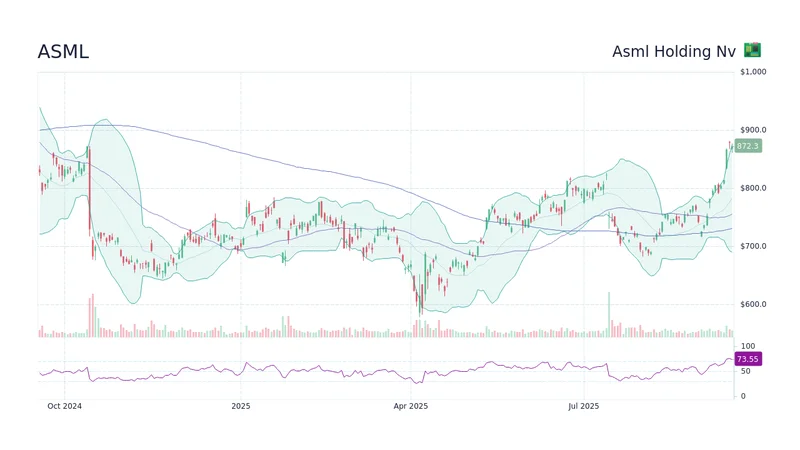
ASML's Future: The 2026 Vision and Why Its Next Breakthrough Changes Everything
ASMLIsn'tJustaStock,It'sthe...
-
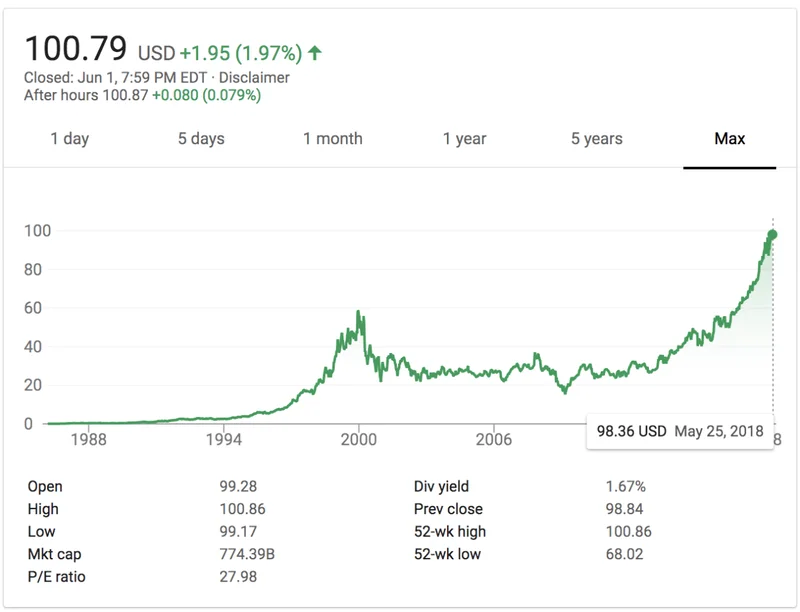
Morgan Stanley's Q3 Earnings Beat: What This Signals for Tech & the Future of Investing
It’seasytoglanceataheadline...
-
The Manyu Phenomenon: What Connects the Viral Crypto, the Tennis Star, and the Anime Legend
It’seasytodismisssportsasmer...
-

The Great Up-Leveling: What's Happening Now and How We Step Up
Haveyoueverfeltlikeyou'redri...
- Search
- Recently Published
-
- Bitcoin's Recovery: The Numbers Don't Add Up (- Reactions Only)
- Misleading Billions: The Truth About DeFi TVL - DeFi Reacts
- Secure Crypto: Unlock True Ownership - Reddit's HODL Guide
- Altcoin Season is "here.": What's *really* fueling the latest altcoin hype (and who benefits)?
- The Week's Pivotal Blockchain Moments: Unpacking the breakthroughs and their visionary future
- DeFi Token Performance Post-October Crash: What *actual* investors are doing and the brutal 2025 forecast
- Monad: A Deep Dive into its Potential and Price Trajectory – What Reddit is Saying
- MSTR Stock: Is This Bitcoin's Future on the Public Market?
- OpenAI News Today: Their 'Breakthroughs' vs. The Broken Reality
- Medicare 2026 Premium Surge: What We Know and Why It Matters
- Tag list
-
- Blockchain (11)
- Decentralization (5)
- Smart Contracts (4)
- Cryptocurrency (26)
- DeFi (5)
- Bitcoin (30)
- Trump (5)
- Ethereum (8)
- Pudgy Penguins (5)
- NFT (5)
- Solana (5)
- cryptocurrency (6)
- XRP (3)
- Airdrop (3)
- MicroStrategy (3)
- Plasma (4)
- Zcash (7)
- Aster (10)
- qs stock (3)
- mstr stock (3)
- asts stock (3)
- investment advisor (4)
- morgan stanley (3)
- ChainOpera AI (4)
- federal reserve news today (4)