Aster Crypto: What It Is, Why the Price Is Moving, and the Core Data
Aster's Buyback Gambit: Financial Engineering or a True Bull Signal?
The announcement landed with the calculated precision of a corporate press release designed to calm nerves: Aster Crypto, the decentralized exchange powerhouse, would begin daily token buybacks. The plan, funded by a hefty 70-80% of its Season 3 fee revenue, was immediately framed as a vote of confidence—a deflationary mechanism to reward loyal holders and stabilize the aster price. Paired with the news that a major airdrop would first draw from an existing wallet, avoiding new token issuance, the market reacted with predictable, if muted, optimism, spurred on by headlines like Aster Crypto Buybacks Begin as Trading Volume Hits 3 Trillion.
On the surface, the logic is sound. Reduce supply, support the price. It’s Econ 101. The numbers presented to support this narrative are staggering. The platform boasts a cumulative trading volume that just crossed the $3 trillion mark and, according to DeFiLlama, generates roughly $15 million in revenue daily. This isn't just pocket change; it's a war chest. With that kind of cash flow, a sustained buyback program seems not only possible but powerful. Add to this a major whale executing a single $9.14 million purchase of 8.06 million aster coin tokens, a move that generated headlines like ASTER Whale Buys 8.06M Tokens Worth $9.14M, and the chart's breakout from a long accumulation range looks less like a random fluctuation and more like the start of a new, deliberate uptrend.
But this is the part of the report that I find genuinely puzzling. The entire bull case rests on the integrity of that revenue figure, and that's a foundation with visible cracks. We can't simply ignore the fact that in early October, DeFiLlama, the very source of these metrics, temporarily delisted Aster DEX after identifying that its perpetuals volume was mirroring Binance's with unnerving accuracy. The data has since been reinstated, but the incident leaves an indelible question mark. How much of that $15 million in daily revenue is from organic, unique trading activity, and how much is an echo of activity elsewhere?
This isn't just an academic question. The buyback is a promise funded by that revenue. If the income stream is less robust than it appears on a dashboard, the program's sustainability is thrown into doubt. It changes the equation from a simple "strong revenue funds buybacks" to something far more complex. What are we actually looking at here? Is it a sign of a healthy, thriving ecosystem, or a sophisticated marketing campaign designed to project strength where there might be underlying weakness?
The Unrelenting Math of Supply
While the bulls focus on the demand side of the equation—the buybacks and whale accumulation—they seem to be conveniently ignoring the countervailing force on the supply side. A token unlock schedule is a pre-programmed, unemotional event. It doesn't care about sentiment or Twitter hype. And Aster’s schedule is formidable. The October 17th unlock alone introduced 183.13 million ASTER tokens into the market, an injection worth approximately $325 million. On top of that, linear unlocks are releasing another $11.7 million worth of tokens every single day.

Let's put that in perspective. The headline-grabbing whale purchase was for $9.14 million. The daily token issuance is $11.7 million. That means every single day, the market needs to absorb more new supply than the total value of that supposedly monumental whale buy.
This is where an analogy becomes useful. The buyback program is like the crew of a ship using a bucket to bail out water. It’s a visible, confidence-inspiring action. But the token unlocks are a fire hose pointed at the deck, relentlessly pumping water back in. The entire investment thesis hinges on a single question: is the bucket bigger than the hose? Based on the available data, the answer is far from certain. The announced buyback commitment is for 70-80% of fees, which sounds impressive. But we don’t have a transparent, audited breakdown of those fees post-DeFiLlama controversy. We're being asked to trust that the bailing operation is sufficient without being allowed to inspect the bucket.
The accumulation by the top 100 wallets, which added about 11.7 million tokens in late October, is another data point often cited by bulls. But this figure is almost exactly equivalent to a single day's worth of linear token releases. Is this a sign of broad conviction, or a coordinated effort to absorb the daily dilution and prevent the price chart from collapsing under the weight? That $9 million whale buy (from the 0x0905...ea80e address) looks less like a thunderous vote of confidence and more like a necessary, defensive maneuver to prop up the price ahead of a wave of new supply.
A Calculated Hedge, Not a Conviction Buy
So, what's the real story? My analysis suggests this isn't a simple case of a project flexing its financial strength. It's a masterclass in financial engineering designed to manage a massive, pre-scheduled supply shock. The buyback, the airdrop strategy, and the timely whale purchase feel less like independent bullish events and more like interconnected components of a single, overarching strategy: sentiment management.
The team knows the unlocks are coming. They are a known variable that will exert immense downward pressure on the aster crypto price. The buyback program, therefore, isn't a proactive move born from excess strength; it's a reactive defense mechanism. It’s designed to create a competing narrative, to generate buy pressure that can hopefully offset the baked-in sell pressure.
This doesn't mean it's destined to fail. If the platform's revenue is legitimate and can be sustained, they might just pull it off. They could absorb the unlocks, stabilize the price, and build a foundation for future growth. But investors are essentially betting on the integrity of unaudited volume metrics that have already been publicly questioned. The "bull signal" isn't an organic reflection of market dynamics; it's a manufactured one. The question isn't whether Aster is strong, but whether its financial engineering is strong enough to overcome its own tokenomics. Right now, that’s a gamble, not a certainty.

-

The Business of Plasma Donation: How the Process Works and Who the Key Players Are
Theterm"plasma"suffersfromas...
-

The Manyu Phenomenon: What Connects the Viral Crypto, the Tennis Star, and the Anime Legend
It’seasytodismisssportsasmer...
-
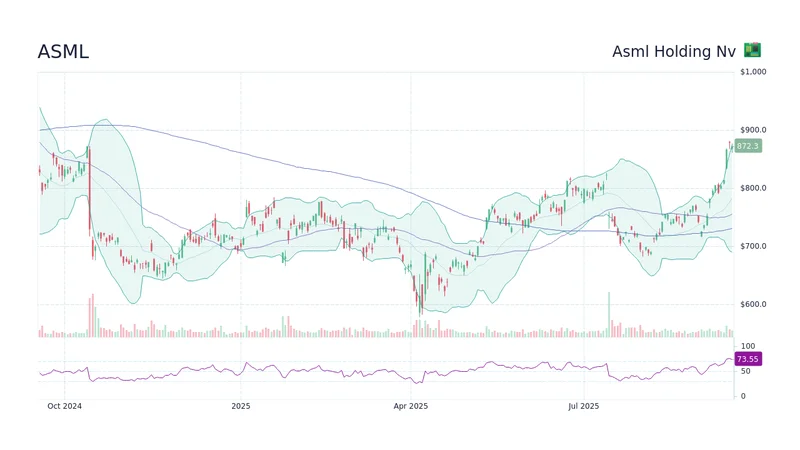
ASML's Future: The 2026 Vision and Why Its Next Breakthrough Changes Everything
ASMLIsn'tJustaStock,It'sthe...
-

The Nebius AI Breakthrough: Why This Changes Everything
It’snotoftenthatatypo—oratl...
-

The Great Up-Leveling: What's Happening Now and How We Step Up
Haveyoueverfeltlikeyou'redri...
- Search
- Recently Published
-
- Misleading Billions: The Truth About DeFi TVL - DeFi Reacts
- Secure Crypto: Unlock True Ownership - Reddit's HODL Guide
- Altcoin Season is "here.": What's *really* fueling the latest altcoin hype (and who benefits)?
- The Week's Pivotal Blockchain Moments: Unpacking the breakthroughs and their visionary future
- DeFi Token Performance Post-October Crash: What *actual* investors are doing and the brutal 2025 forecast
- Monad: A Deep Dive into its Potential and Price Trajectory – What Reddit is Saying
- MSTR Stock: Is This Bitcoin's Future on the Public Market?
- OpenAI News Today: Their 'Breakthroughs' vs. The Broken Reality
- Medicare 2026 Premium Surge: What We Know and Why It Matters
- Accenture: What it *really* is, its stock, and the AI game – What Reddit is Saying
- Tag list
-
- Blockchain (11)
- Decentralization (5)
- Smart Contracts (4)
- Cryptocurrency (26)
- DeFi (5)
- Bitcoin (30)
- Trump (5)
- Ethereum (8)
- Pudgy Penguins (5)
- NFT (5)
- Solana (5)
- cryptocurrency (6)
- XRP (3)
- Airdrop (3)
- MicroStrategy (3)
- Plasma (4)
- Zcash (7)
- Aster (10)
- qs stock (3)
- mstr stock (3)
- asts stock (3)
- investment advisor (4)
- morgan stanley (3)
- ChainOpera AI (4)
- federal reserve news today (4)