A Candy Giant's Collapse: Why It Happened and What It Means for the Future of Food
When the news broke that Candy Warehouse, a major online bulk candy seller, had filed for Chapter 11 bankruptcy, the immediate reaction was predictable. Pundits dissected the balance sheets—up to $10 million in debt against a mere $500,000 in assets—and online commenters scoffed, questioning the company’s "major" status. But to focus on the financials of one company is like analyzing a single dead pixel on a screen that’s about to display a revolution.
What I saw wasn’t the failure of a family-owned business founded in 1998. It was a signal. A beautiful, terrifying, and exhilarating signal that a legacy system is beginning to crumble. This isn't a story about candy. It’s a story about the fragility of our global supply chains and the dawn of a new, technologically driven paradigm for how we create the things we love. When I first saw the numbers—not the company’s debt, but the 178% surge in global cocoa prices this year—I honestly just sat back in my chair and smiled. This is the kind of external pressure that forces incredible innovation. It’s the evolutionary fire from which the next big thing is born.
The bankruptcy of a candy company is the canary in the coal mine for our entire food system. And what it’s telling us is that the air is getting thin.
The Ghost in the Machine
Let's be clear: Candy Warehouse didn't just fail. It was pushed over a cliff by a perfect storm of systemic vulnerabilities. The core problem lies in the very architecture of how we get something as simple as a chocolate bar from a plant to our hands. For decades, we’ve relied on what is essentially a biological mainframe: a highly centralized agricultural system where 60% of the world's cocoa comes from just two countries, Ghana and the Ivory Coast. When that mainframe suffers a critical failure—in this case, catastrophic harvests—the entire global network crashes.
This is a design flaw of colossal proportions. We’ve built our supply chains like a house of cards on the assumption of a stable climate and predictable geopolitics, both of which are now relics of the 20th century. The tariffs on imported ingredients like cocoa and cane sugar that analysts point to are just symptoms of this outdated, nation-state-based model. It’s a system designed for a world that no longer exists.
Think of the global cocoa supply chain as a monolithic piece of legacy software. It was brilliant for its time, but it’s brittle, inefficient, and impossible to patch when faced with modern stressors. When a bug appears—a poor harvest, a new tariff—the whole program grinds to a halt. So, what’s the answer? Do we just keep trying to debug this ancient code? Or do we write a new operating system from scratch?

This is where the second, equally powerful force comes into play: a fundamental shift in the user. A 2023 study found that nearly half of all consumers are now actively seeking "healthy" candy options. This isn't a fleeting trend; it's a permanent upgrade in consumer consciousness. People want less sugar, more function, more transparency. They are demanding a product that the old system was never designed to deliver. What happens when a brittle, failing infrastructure meets a user base with radically new demands? It breaks. And that’s exactly what we’re seeing.
The Sweet Taste of Code
This is where I get incredibly optimistic. Because for every system that collapses, a new one rises to take its place. The solution to the chocolate crisis isn't just about finding new places to grow cocoa beans. That’s thinking in the old paradigm. The real, game-changing solution is to decouple the production of our favorite foods from geography and agriculture altogether.
We're on the cusp of a revolution in food science that will make our current system look as antiquated as a horse and buggy. We're talking about technologies like precision fermentation—which, in simple terms, is like programming microorganisms such as yeast to become microscopic factories that produce specific molecules, like the very compounds that give chocolate its rich, complex flavor, all without a single cocoa bean.
The potential here is just breathtaking—we could be looking at a future where your favorite "chocolate" bar is grown in a local bioreactor, has zero agricultural footprint, is immune to crop failures in West Africa, is free from international tariffs, and is perfectly tailored to your health profile, and this isn't science fiction, it's the trajectory we are on right now. Hershey is already lobbying the government for tariff exemptions on cocoa. But what if they, or a nimble startup, could bypass the need for imported cocoa entirely?
This moves the creation of food from the realm of agriculture to the realm of information technology. The "recipe" for chocolate becomes a line of code. We can tweak it, improve it, and customize it. Want a chocolate bar with the antioxidant properties of blueberries and a dose of Vitamin D? That’s not a supply chain problem anymore; it’s a programming challenge.
Of course, this raises profound questions. What does a food system look like when it’s no longer tied to the land? How do we ensure these new technologies are open and accessible, rather than creating a new set of proprietary monopolies? This is the ethical frontier we must navigate, but the possibility it opens up is nothing short of world-changing.
A System Rebooting Itself
The story of Candy Warehouse isn't a tragedy; it's a necessary data point in a massive system upgrade. It’s the market’s way of telling us that the age of fragile, centralized, and climate-dependent food production is coming to an end. We shouldn't mourn the collapse of the old model. We should be exhilarated by the opportunity to build its replacement—one that is more resilient, more sustainable, and infinitely more innovative. This isn't the death of candy. It's the beginning of its reinvention.

-

The Business of Plasma Donation: How the Process Works and Who the Key Players Are
Theterm"plasma"suffersfromas...
-
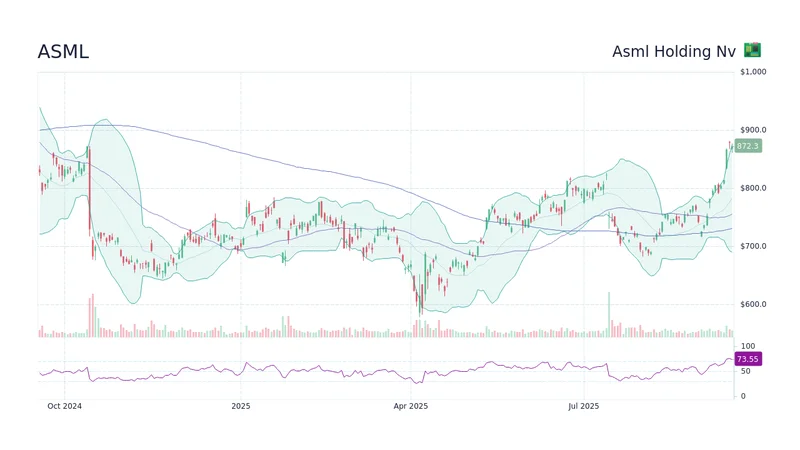
ASML's Future: The 2026 Vision and Why Its Next Breakthrough Changes Everything
ASMLIsn'tJustaStock,It'sthe...
-
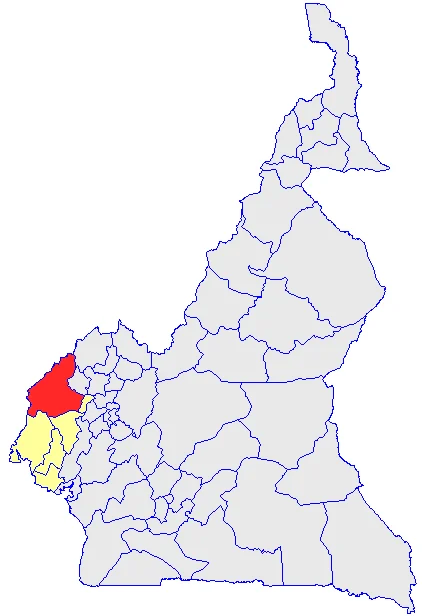
The Manyu Phenomenon: What Connects the Viral Crypto, the Tennis Star, and the Anime Legend
It’seasytodismisssportsasmer...
-

The Nebius AI Breakthrough: Why This Changes Everything
It’snotoftenthatatypo—oratl...
-
Secure Crypto: Unlock True Ownership - Reddit's HODL Guide
Alright,folks,let'stalkcrypto....
- Search
- Recently Published
-
- Misleading Billions: The Truth About DeFi TVL - DeFi Reacts
- Secure Crypto: Unlock True Ownership - Reddit's HODL Guide
- Altcoin Season is "here.": What's *really* fueling the latest altcoin hype (and who benefits)?
- The Week's Pivotal Blockchain Moments: Unpacking the breakthroughs and their visionary future
- DeFi Token Performance Post-October Crash: What *actual* investors are doing and the brutal 2025 forecast
- Monad: A Deep Dive into its Potential and Price Trajectory – What Reddit is Saying
- MSTR Stock: Is This Bitcoin's Future on the Public Market?
- OpenAI News Today: Their 'Breakthroughs' vs. The Broken Reality
- Medicare 2026 Premium Surge: What We Know and Why It Matters
- Accenture: What it *really* is, its stock, and the AI game – What Reddit is Saying
- Tag list
-
- Blockchain (11)
- Decentralization (5)
- Smart Contracts (4)
- Cryptocurrency (26)
- DeFi (5)
- Bitcoin (30)
- Trump (5)
- Ethereum (8)
- Pudgy Penguins (5)
- NFT (5)
- Solana (5)
- cryptocurrency (6)
- XRP (3)
- Airdrop (3)
- MicroStrategy (3)
- Plasma (4)
- Zcash (7)
- Aster (10)
- qs stock (3)
- mstr stock (3)
- asts stock (3)
- investment advisor (4)
- morgan stanley (3)
- ChainOpera AI (4)
- federal reserve news today (4)