The ChainOpera AI Phenomenon: What's Driving Its Success and What Comes Next
I want you to look at a chart. It’s the price chart for a token called ChainOpera AI, or COAI, from late September to the end of October 2025. It’s a work of pure, unadulterated chaos. A quiet launch around 14 cents, a period of flatline boredom, and then… ignition. It was a vertical line on a chart that defied all logic, a 13,500% gain in just over two weeks that had everyone from seasoned traders to my own students messaging me asking what on earth was happening. Many analysts pointed to The Secret Behind ChainOpera AI’s Explosive Success: Strategic Cycle Timing and a Fully Diluted Valuation Beyond $4 Billion, but to me, it was a financial supernova that peaked at nearly $45 a token.
And then, just as quickly, the star collapsed. A 90% crash. Accusations flew. Analysts on social media screamed "scam," pointing to suspicious wallet activity and a cybersecurity audit that gave the project a failing grade.
It's easy to look at that chart and dismiss the whole thing as another crypto bubble, another speculative mania fueled by hype and greed. And if you only look at the price, you’re not wrong. But you’re also missing the point entirely. Because I believe that chaotic, messy, spectacular explosion and collapse wasn't just a market event. It was a signal. It was the global subconscious screaming its desire for something new, something necessary: a future where artificial intelligence belongs to us, not to a handful of corporations.
A Blueprint for a Different Future
When I first dug into the architecture behind ChainOpera, past the noise of the price charts, I honestly just sat back in my chair, speechless. This wasn't just another "AI token" slapped onto a generic blockchain. This was a blueprint. The founders, Professor Salman Avestimehr from USC and Dr. Aiden Chaoyang He, a veteran of Meta, Google, and AWS, weren't just building a product; they were architecting a new kind of digital society.
Their goal is to build what they call "Crypto AGI"—a decentralized Artificial General Intelligence. It’s a breathtakingly ambitious vision. To do it, they’ve designed a full-stack ecosystem. Imagine it as a four-story building. The ground floor is a new kind of blockchain, built specifically for AI. The second floor is a decentralized network where anyone can contribute computing power (from massive GPU farms to your own gaming PC) and get rewarded for it. The third floor is a platform for developers to build and share AI "agents." And the top floor is a social network where you and I can interact with these agents, own them, and even have them collaborate.
The whole structure is held together by something they call Proof of Intelligence—in simpler terms, it’s a system that verifies and rewards actual work done by the network, whether it’s a developer building an agent or a user providing GPU power, making every contribution tangible and valuable. This is the kind of breakthrough that reminds me why I got into this field in the first place. It’s a direct challenge to the current model, where a few tech giants own the models, the data, and the infrastructure, and we just get to use their products.

What does a world built on this blueprint look like? It’s a world where data privacy isn't a feature you pay for, but the default setting, thanks to federated learning that trains models without ever seeing your raw data. It’s a world where the next great AI innovation might come not from a lab in Silicon Valley, but from a collaborative effort of thousands of minds across the globe. Is that a future worth getting excited about?
Navigating the Necessary Chaos
Of course, building a new world is messy. And the critics of ChainOpera have valid points. The report from Kryll³ highlighting the token concentration in a few wallets is a serious concern. The on-chain data suggesting coordinated trading is unsettling. These aren't things we can just brush aside. They point to the immense challenge of building a truly decentralized system while navigating the realities of human nature and open markets.
This is our moment of ethical consideration. The responsibility on the shoulders of the ChainOpera team—and its community—is immense. Creating a decentralized AGI isn't just a technical problem; it's a governance problem. How do we ensure fairness? How do we prevent manipulation? How do we build trust in a trustless system? These are the questions that will define the next decade.
But to dismiss the entire project because of these early, chaotic stumbles is like dismissing the invention of the printing press because the first books had typos. While some were quick to label COAI the "top scam of October," I see something different. I see the messy, chaotic, and sometimes painful birth of a new paradigm. Was the early internet a "scam" when 90% of its first companies went bust in the dot-com bubble? Or was that chaos the necessary fire that forged the foundation for the world we live in today?
The market, for all its irrationality, often sniffs out the future before the rest of us do. While the price corrected, something fascinating happened. On-chain data showed that the "smart money"—the whales and experienced investors—started accumulating COAI during the dip. The technical indicators on major exchanges flipped to "Strong Buy." It seems the people who look past the daily noise see the same thing I do: a project with the technical foundation and visionary leadership to potentially survive its own chaotic birth.
The Real Signal Is Just Getting Started
So, what was that 13,500% spike really about? It was hope, expressed in the language of capital. It was a visceral, market-wide vote for a future where intelligence is a public utility, not a private monopoly. The price was a temporary distraction; the underlying desire it revealed is permanent. The journey of ChainOpera AI is just beginning, and it will undoubtedly be volatile, sparking endless debate and analysis like ChainOpera AI Price Prediction: Can COAI Reach $10?. But the question isn't whether COAI will reach $10 or $100. The real question is, are we ready to start building the decentralized world it promises? Because the technology is here. The hunger for it is undeniable. Now, the work begins.

-

The Manyu Phenomenon: What Connects the Viral Crypto, the Tennis Star, and the Anime Legend
It’seasytodismisssportsasmer...
-

The Business of Plasma Donation: How the Process Works and Who the Key Players Are
Theterm"plasma"suffersfromas...
-
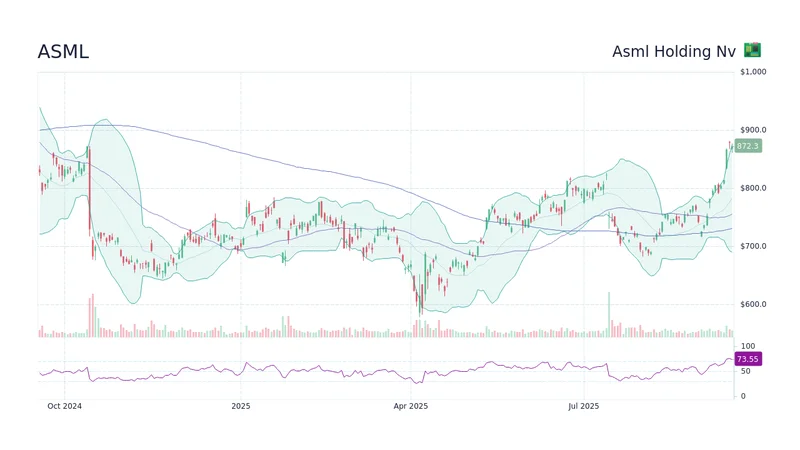
ASML's Future: The 2026 Vision and Why Its Next Breakthrough Changes Everything
ASMLIsn'tJustaStock,It'sthe...
-

The Nebius AI Breakthrough: Why This Changes Everything
It’snotoftenthatatypo—oratl...
-
Secure Crypto: Unlock True Ownership - Reddit's HODL Guide
Alright,folks,let'stalkcrypto....
- Search
- Recently Published
-
- Misleading Billions: The Truth About DeFi TVL - DeFi Reacts
- Secure Crypto: Unlock True Ownership - Reddit's HODL Guide
- Altcoin Season is "here.": What's *really* fueling the latest altcoin hype (and who benefits)?
- The Week's Pivotal Blockchain Moments: Unpacking the breakthroughs and their visionary future
- DeFi Token Performance Post-October Crash: What *actual* investors are doing and the brutal 2025 forecast
- Monad: A Deep Dive into its Potential and Price Trajectory – What Reddit is Saying
- MSTR Stock: Is This Bitcoin's Future on the Public Market?
- OpenAI News Today: Their 'Breakthroughs' vs. The Broken Reality
- Medicare 2026 Premium Surge: What We Know and Why It Matters
- Accenture: What it *really* is, its stock, and the AI game – What Reddit is Saying
- Tag list
-
- Blockchain (11)
- Decentralization (5)
- Smart Contracts (4)
- Cryptocurrency (26)
- DeFi (5)
- Bitcoin (30)
- Trump (5)
- Ethereum (8)
- Pudgy Penguins (5)
- NFT (5)
- Solana (5)
- cryptocurrency (6)
- XRP (3)
- Airdrop (3)
- MicroStrategy (3)
- Plasma (4)
- Zcash (7)
- Aster (10)
- qs stock (3)
- mstr stock (3)
- asts stock (3)
- investment advisor (4)
- morgan stanley (3)
- ChainOpera AI (4)
- federal reserve news today (4)