The Zcash Pump: What's Behind It and Why I'm Still Not Buying
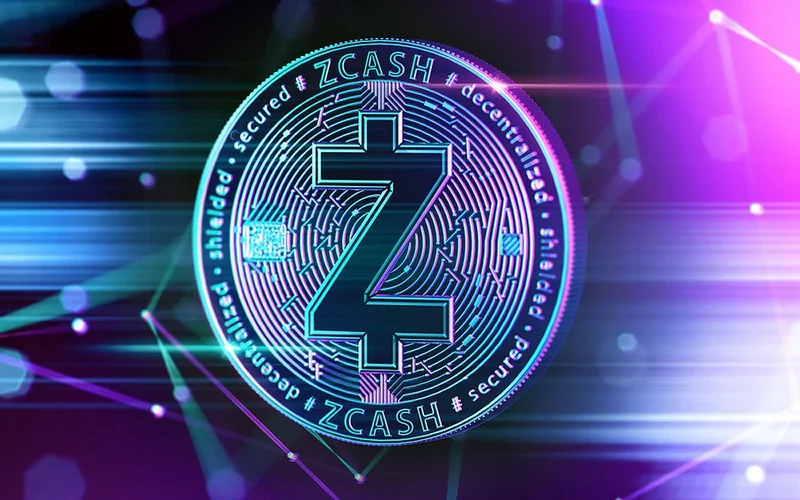
So, Zcash is pumping. Hard. The price chart looks like a SpaceX launch, rocketing from a sad $50 to over $350. Crypto Twitter is, of course, losing its collective mind. We’re hearing the same old song and dance: it’s the “privacy narrative,” a revolution in financial confidentiality, a safe haven for the "privacy-pilled."
Give me a break.
Let’s call this what it is: a celebrity-fueled, FOMO-driven, short-squeeze-powered mania that has about as much to do with a “revolution” as Dogecoin’s trip to the moon had to do with advancing space exploration. This isn't about fundamentals; it's about a handful of crypto-famous guys deciding it was Zcash's turn to be the main character.
The Influencer-Fueled Fever Dream
You want to know Why is Zcash’s ZEC the only crypto pumping right now? It’s not because millions of people suddenly had an epiphany about the virtues of zero-knowledge proofs. It started when investor Naval Ravikant called it “insurance against Bitcoin.” Then some Solana CEO, Mert Mumtaz, pulled a $1,000 price target out of thin air. The real fireworks started when BitMEX co-founder Arthur Hayes, a man who knows a thing or two about market momentum, whispered the magic number: $10,000.
The price jumped 30% on his word alone. This is a sound investment strategy. No, 'sound' doesn't cover it—this is the financial equivalent of a mob chasing a rumor. Are we really supposed to believe these guys are just sharing benevolent wisdom from the goodness of their hearts? Or is it more likely they’re playing the same game Elon Musk played with DOGE, using their platforms to pump their own bags while retail traders get left holding them?
This whole rally is built on the most rickety foundation imaginable. The data shows nearly $65 million in liquidations, with over half coming from shorts. It’s a classic short squeeze. Traders betting against ZEC got steamrolled, forced to buy back in, which pushed the price higher, which triggered more liquidations. It’s a feedback loop of pure, uncut greed. You can see it in the Google search trends for "Zcash," spiking every time one of these crypto celebs opens their mouth.
It’s a house of cards, and the technical charts are already screaming it. Analysts are pointing to a "rising wedge" pattern, which is chart-nerd speak for "this thing is probably going to crash 30%." But who cares about technicals when you’ve got influencers promising you a 100x return, right?
But What About the 'Tech'?
Now, the Zcash faithful will tell you I’m missing the point. They’ll point to the fact that the Zcash shielded supply hits 4.5 million ZEC as privacy narrative reignites and token surges 7x and claim this is proof of real, organic adoption. For the uninitiated, "shielding" your Zcash is like moving your money from a regular bank account into a series of untraceable offshore accounts. It uses fancy cryptography called zk-SNARKs to hide the sender, receiver, and amount.
And yes, more people are using it. That’s a fact. The anonymity set is growing, which in theory makes the network’s privacy stronger. It’s like everyone at a party suddenly putting on a Guy Fawkes mask. It definitely makes it harder to tell who’s spiking the punch, but it doesn’t change the fact that the party is happening in a building that regulators are actively trying to condemn.
This is the giant, glaring problem that the hype merchants conveniently ignore. Privacy coins are regulatory poison. Major exchanges have delisted them before. South Korea and Japan have effectively banned them. And the EU has a shiny new set of anti-money laundering rules that look set to ban Zcash and its ilk entirely by mid-2027. They tout privacy as a revolutionary feature, but to governments, it’s just a bug they’re itching to patch with the biggest hammer they can find. This ain't some niche issue; it's an existential threat.
It reminds me of the early days of file-sharing. Everyone was screaming about a "decentralized revolution" against the big media companies, and it was great... until the lawsuits started flying and the Feds showed up. Tech that directly challenges state power rarely wins in a direct confrontation. Regulators see this stuff as a tool for crime, and when you give them a hammer, everything starts to look like a nail.
So while Uniswap’s new Layer 2 is adding support for ZEC, which is a nice little technical win, what good is it if you can’t legally buy or sell the damn thing on a major exchange in a few years? It’s like building the world’s fastest car in a country that’s about to ban all roads. Offcourse, maybe I'm just the cynical one here.
Same Circus, Different Clowns
Let's be brutally honest. Zcash has some genuinely cool technology. The idea of optional, verifiable privacy on a blockchain is powerful. But the current price action has almost nothing to do with that. This is a speculative frenzy, whipped up by influencers and fueled by liquidations. The underlying asset could be Zcash, or it could be Beanie Babies—the market dynamics are identical.
The "revolution" is just marketing copy for the next wave of exit liquidity. The real story here isn't about privacy; it's about the enduring, predictable, and frankly boring cycle of crypto hype. A few big players make a call, retail FOMOs in, the price skyrockets, and then the whole thing comes crashing down. We’ve seen it a hundred times before, and we’ll see it a hundred times again. Don’t let the fancy new jargon fool you.

-

The Business of Plasma Donation: How the Process Works and Who the Key Players Are
Theterm"plasma"suffersfromas...
-

The Manyu Phenomenon: What Connects the Viral Crypto, the Tennis Star, and the Anime Legend
It’seasytodismisssportsasmer...
-

The Nebius AI Breakthrough: Why This Changes Everything
It’snotoftenthatatypo—oratl...
-
ASML's Future: The 2026 Vision and Why Its Next Breakthrough Changes Everything
ASMLIsn'tJustaStock,It'sthe...
-

The Great Up-Leveling: What's Happening Now and How We Step Up
Haveyoueverfeltlikeyou'redri...
- Search
- Recently Published
-
- Misleading Billions: The Truth About DeFi TVL - DeFi Reacts
- Secure Crypto: Unlock True Ownership - Reddit's HODL Guide
- Altcoin Season is "here.": What's *really* fueling the latest altcoin hype (and who benefits)?
- The Week's Pivotal Blockchain Moments: Unpacking the breakthroughs and their visionary future
- DeFi Token Performance Post-October Crash: What *actual* investors are doing and the brutal 2025 forecast
- Monad: A Deep Dive into its Potential and Price Trajectory – What Reddit is Saying
- MSTR Stock: Is This Bitcoin's Future on the Public Market?
- OpenAI News Today: Their 'Breakthroughs' vs. The Broken Reality
- Medicare 2026 Premium Surge: What We Know and Why It Matters
- Accenture: What it *really* is, its stock, and the AI game – What Reddit is Saying
- Tag list
-
- Blockchain (11)
- Decentralization (5)
- Smart Contracts (4)
- Cryptocurrency (26)
- DeFi (5)
- Bitcoin (30)
- Trump (5)
- Ethereum (8)
- Pudgy Penguins (5)
- NFT (5)
- Solana (5)
- cryptocurrency (6)
- XRP (3)
- Airdrop (3)
- MicroStrategy (3)
- Plasma (4)
- Zcash (7)
- Aster (10)
- qs stock (3)
- mstr stock (3)
- asts stock (3)
- investment advisor (4)
- morgan stanley (3)
- ChainOpera AI (4)
- federal reserve news today (4)