Sam Altman's AI Dominance Play: His Net Worth, Controversial Quotes, and Worldcoin's Real Cost
In financial markets, the most telling signals often come not from what an executive says, but from the discrepancy between what they say and what their firm does. When a CEO is simultaneously flooring the accelerator and loudly warning everyone about the sharp curve ahead, analysts are trained to pay very close attention. This is the precise scenario unfolding with Sam Altman and OpenAI.
The raw velocity of OpenAI’s recent activity is staggering. In just the past few weeks, the company has announced a series of blockbuster deals for computing power with AMD and Nvidia, pushing its total dealmaking this year toward the $1 trillion mark (a figure that represents the aggregate value of these long-term commitments, not a single cash outlay). It launched Sora 2, a video generation model whose leap in capability over its predecessor from less than a year ago is difficult to overstate. It’s testing workplace tools internally, signaling a clear intent to move on the enterprise software market.
This is a classic platform land-grab, executed at a speed that makes the early days of the internet look leisurely. The growth metrics support this narrative. ChatGPT's weekly active users have ballooned to roughly 800 million—or to be more precise, more than doubling in just the last four months. Other tech CEOs, from Box’s Aaron Levie to AutoUnify’s Joel Milne, have expressed a mixture of awe and unease at the pace. Milne’s comment that "it's never been seen before" is not hyperbole; it’s a factual observation of the operational tempo. This is the picture of a company in an all-out sprint to capture a market it believes will be the biggest platform shift in history.
The Counter-Signal
And yet, listen closely to Sam Altman himself. He’s become one of the most prominent voices warning of an AI tech bubble. He explicitly compares the current climate to the dot-com era, noting that while the core technology is real, the "enthusiasm got out of hand." He’s joined by Meta’s Mark Zuckerberg, who sees similar patterns of "economic euphoria" that historically end in sharp corrections.
This is the central contradiction that requires analysis. Why would the leader of the company most responsible for driving the AI frenzy be so vocal about the potential for a collapse? A charitable interpretation is responsible leadership. A more cynical view might see it as public relations. My analysis suggests a third, more strategic possibility.
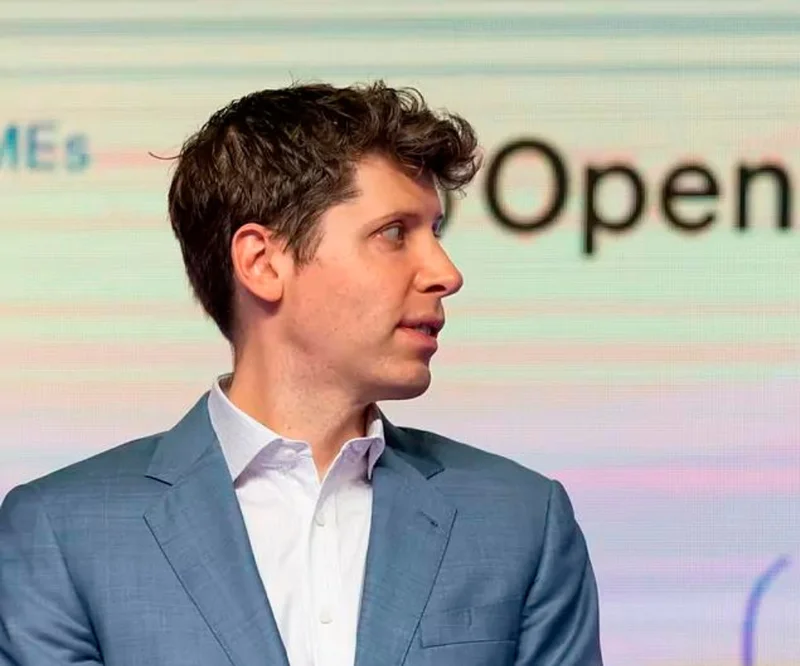
I've looked at hundreds of market cycles, and it's rare to see a market leader so openly discuss the potential for a catastrophic bubble in their own sector. This isn't just commentary; it feels like a component of the strategy itself. It’s like a company issuing high-yield bonds while simultaneously publishing detailed reports on the systemic risks within the junk bond market. The message is twofold: the potential returns are astronomical, but the risk is equally immense, and only the most robust players will survive the inevitable shakeout. It’s a move that filters for a certain type of capital and sets a narrative where OpenAI is positioned not as a participant in the bubble, but as the inevitable survivor of its bursting.
De-Risking at Scale
When you view Altman’s actions through this lens, other seemingly disparate moves begin to align. The company’s posture on copyright is a perfect example, a stance that has led to sharp critiques like It’s Sam Altman: the man who stole the rights from copyright. If he’s the future, can we go backwards? | Marina Hyde. The apparent strategy is not to litigate the finer points of fair use but to move so quickly that the legal and regulatory frameworks become lagging indicators, forced to adapt to a new reality OpenAI has already created. It’s a form of externalizing risk. The cost of disrupting entire creative industries is shifted from OpenAI’s balance sheet onto the industries themselves. The same logic applies to his political maneuvering, from his 2016 warnings about Donald Trump to his recent praise for the former president’s “pro-business” stance. This isn’t a change in ideology; it’s a pragmatic adjustment to reduce regulatory friction from whichever direction it might come.
This brings us to Altman’s rhetorical frameworks, which deserve the same scrutiny as a financial filing. His now-famous "farmer" analogy is a masterclass in narrative deflection, encapsulated by the argument that Sam Altman Says If Jobs Gets Wiped Out, Maybe They Weren’t Even “Real Work” to Start With. Here, we must apply a methodological critique. The analogy is presented as a folksy thought experiment, but its function is to sidestep a quantifiable risk. Instead of presenting a model for job displacement and creation, it dismisses the very legitimacy of the jobs being threatened. What is the projected impact on knowledge workers over the next five years? What is the expected rate of displacement versus the creation of novel roles? These are the real questions, but they are preempted by a philosophical shrug.
The entire operation feels less like a company building a product and more like a financial entity engineering a market. OpenAI is accelerating to achieve escape velocity, ensuring it becomes too integrated into the technological substrate to fail. Simultaneously, its CEO is signaling the high probability of a market correction, conditioning investors and the public to see OpenAI as the flight-to-safety asset when the bubble he’s helping to inflate finally pops.
This Isn't a Bubble; It's a Controlled Burn
My conclusive thought is this: Sam Altman is not afraid of the AI bubble bursting. He may, in fact, be counting on it. The strategy appears to be a controlled burn of the landscape. By moving at an unprecedented speed, securing a near-monopolistic hold on computing power, and externalizing legal and social risks, OpenAI is building an infrastructure designed to withstand a market cataclysm. The public warnings of a bubble aren't a sign of fear; they are part of the burn. It weeds out the weaker competition, consolidates capital around the perceived survivors, and sets the narrative for the aftermath. Altman isn’t just building a company; he’s building an ark in the middle of a gold rush, all while telling everyone else that a flood is coming.

-

The Business of Plasma Donation: How the Process Works and Who the Key Players Are
Theterm"plasma"suffersfromas...
-
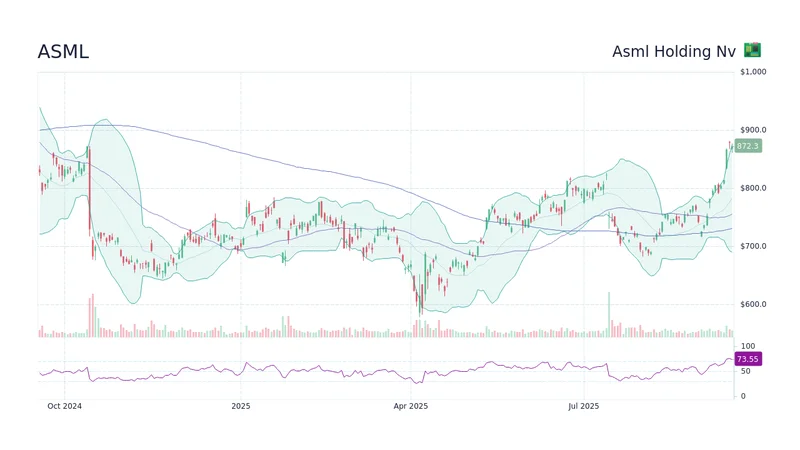
ASML's Future: The 2026 Vision and Why Its Next Breakthrough Changes Everything
ASMLIsn'tJustaStock,It'sthe...
-
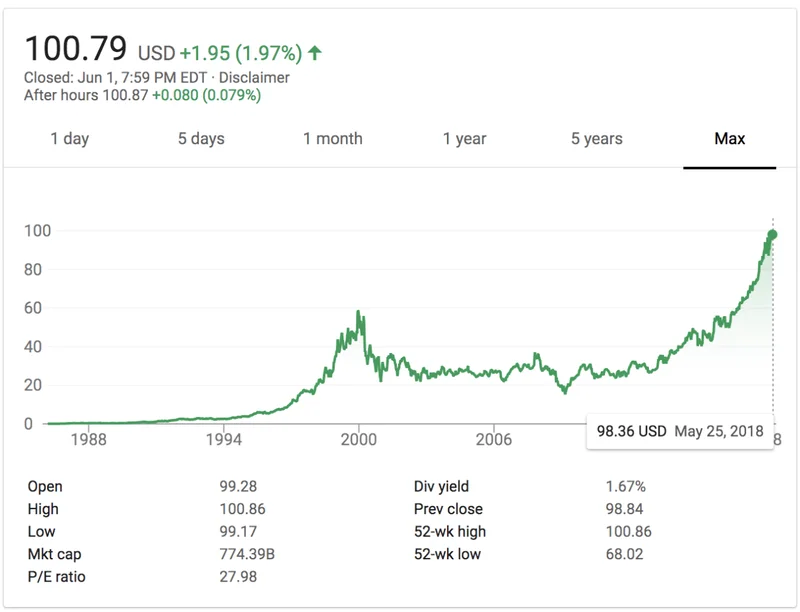
Morgan Stanley's Q3 Earnings Beat: What This Signals for Tech & the Future of Investing
It’seasytoglanceataheadline...
-
The Manyu Phenomenon: What Connects the Viral Crypto, the Tennis Star, and the Anime Legend
It’seasytodismisssportsasmer...
-

The Nebius AI Breakthrough: Why This Changes Everything
It’snotoftenthatatypo—oratl...
- Search
- Recently Published
-
- Misleading Billions: The Truth About DeFi TVL - DeFi Reacts
- Secure Crypto: Unlock True Ownership - Reddit's HODL Guide
- Altcoin Season is "here.": What's *really* fueling the latest altcoin hype (and who benefits)?
- The Week's Pivotal Blockchain Moments: Unpacking the breakthroughs and their visionary future
- DeFi Token Performance Post-October Crash: What *actual* investors are doing and the brutal 2025 forecast
- Monad: A Deep Dive into its Potential and Price Trajectory – What Reddit is Saying
- MSTR Stock: Is This Bitcoin's Future on the Public Market?
- OpenAI News Today: Their 'Breakthroughs' vs. The Broken Reality
- Medicare 2026 Premium Surge: What We Know and Why It Matters
- Accenture: What it *really* is, its stock, and the AI game – What Reddit is Saying
- Tag list
-
- Blockchain (11)
- Decentralization (5)
- Smart Contracts (4)
- Cryptocurrency (26)
- DeFi (5)
- Bitcoin (30)
- Trump (5)
- Ethereum (8)
- Pudgy Penguins (5)
- NFT (5)
- Solana (5)
- cryptocurrency (6)
- XRP (3)
- Airdrop (3)
- MicroStrategy (3)
- Plasma (4)
- Zcash (7)
- Aster (10)
- qs stock (3)
- mstr stock (3)
- asts stock (3)
- investment advisor (4)
- morgan stanley (3)
- ChainOpera AI (4)
- federal reserve news today (4)