Columbia University: The Brutal Truth About Its Acceptance Rate, Tuition & Ivy League Hype
So, this Saturday, the Columbia men's soccer team is hosting Harvard. It’s Alumni Day. Big deal. The Lions are having a rough season, sitting at 1-6-4, and their starting center-back, Joe McDaid, is out on a red card. The stands at Rocco B. Commisso Soccer Stadium will be filled with a few hundred people pretending this is the most important thing happening at Columbia University this week.
They’re wrong. Dead wrong.
While everyone’s focused on whether the team can break its losing streak against the Crimson, the university itself just finished getting its teeth kicked in by the federal government and is now trying to convince us it was a victory. It’s the ultimate sleight of hand: look at the shiny ball over here, folks, and please ignore the smoking crater where our institutional integrity used to be. The real game isn't being played on the field; it was played in a backroom in D.C., and Columbia didn't just lose—it forfeited.
A Deal with the Devil, Sponsored by Ivy League Tuition
Let’s be brutally honest about what happened here. Back in March, the Trump administration yanked $400 million in federal research funding, citing some vague probe about protecting students. It was a political hit job, plain and simple. A power play. And how did one of the world's most prestigious academic institutions respond? Did it stand on principle? Did it fight for academic freedom?
Nope. It wrote a check.
On July 23, Columbia agreed to pay the government $221 million and make unspecified "policy changes" to get its funding back. Acting President Claire Shipman had the gall to spin this as a win, a necessary move to "safeguard the university’s independence." Give me a break. Safeguarding independence? This is like a shopkeeper paying protection money to the mob and calling it a "business expense." It’s a hostage negotiation where the hostage develops Stockholm Syndrome and starts thanking the kidnapper for not shooting them in the head. This wasn't a deal; it was a surrender.
Shipman insists the agreement doesn't give the feds control over hiring or admissions. Okay, fine. But what about the stuff she isn't saying? What exactly are these "policy changes"? Who gets to decide what constitutes "harassment" now? When the government can hold a $400 million gun to your head, you don't need direct control. You just need the threat. The chilling effect is the whole point. It ain't about who they hire; it's about who they're now too scared to even consider.

This whole thing reminds me of those "free" mobile games that aren't free at all. You can play, offcourse, but if you want to actually win—or in this case, continue existing as a top-tier research institution—you have to pay up. Columbia just paid to keep playing. But at what cost to the game itself?
The Precedent Is Set, and It's Ugly
The most infuriating part is the precedent. Every other university president, from Cornell to Yale to NYU, was watching this. And what did they learn? They learned that principles are negotiable. They learned that academic freedom has a price tag, and it's apparently somewhere south of $400 million. For anyone interested in Tracking the Trump administration’s deals with colleges, this is a landmark case. The so-called experts and advocates for academic freedom are all wringing their hands, condemning the deal because it was made under "coercion."
No kidding. That's the entire point of coercion. It's not supposed to be a fair fight.
This is a terrible precedent. No, 'terrible' doesn't cover it—this is a foundational crack in the entire structure of American higher education. We've just witnessed one of our most storied institutions effectively admit that its core values are for sale. And for what? To maintain its "status as a world-leading research institution." You know, I've been hearing that line a lot lately from companies that gut their products and fire their staff to please shareholders. It’s the kind of empty, corporate PR-speak you use when you know you’ve done something indefensible.
And while this whole mess unfolds, the university wants us to focus on headlines like Men’s Soccer Plays Harvard on Saturday for Alumni Day. They want us to reminisce about the 1983 NCAA Championship game. They want us to focus on a soccer rivalry that dates back decades. They want us to do anything but look at the man behind the curtain who just sold the farm to keep the lights on. It's a distraction, a bread-and-circuses routine for the alumni and student body. And honestly...
Then again, maybe I'm the crazy one. Maybe this is just how the world works now. You bend the knee, you pay the fee, and you hope nobody notices the spine you left on the floor. Maybe the Columbia acceptance rate should now include a question: "Are you comfortable with institutional capitulation as long as the campus looks nice?"
They're Just Pretending Nothing Happened
So yeah, go to the game on Saturday. Cheer for the Lions. Get angry about a bad call from the ref. It’s easier than getting angry about the slow, methodical dismantling of academic independence. It’s simpler to worry about a 1-6-4 record than a university that just set a precedent of folding under political pressure. Columbia will play Harvard, life will go on, and the administration is banking on the fact that by the time the next semester rolls around, we’ll have forgotten all about the $221 million check it wrote to make a political problem go away. And the scariest part is, they’re probably right.

-

The Business of Plasma Donation: How the Process Works and Who the Key Players Are
Theterm"plasma"suffersfromas...
-
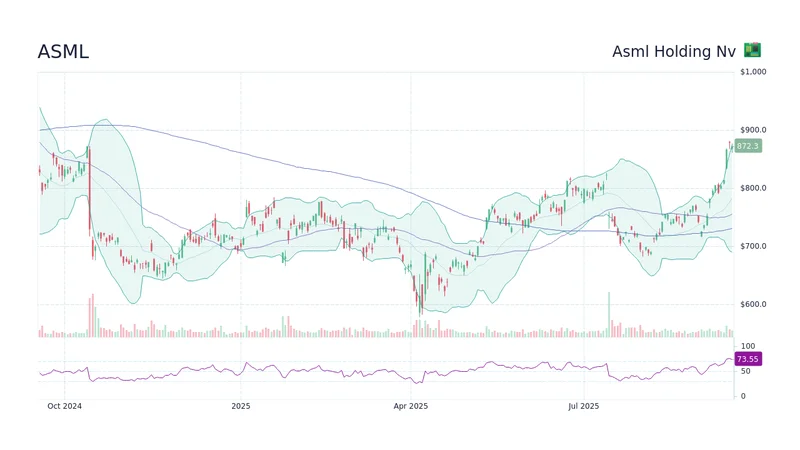
ASML's Future: The 2026 Vision and Why Its Next Breakthrough Changes Everything
ASMLIsn'tJustaStock,It'sthe...
-

The Manyu Phenomenon: What Connects the Viral Crypto, the Tennis Star, and the Anime Legend
It’seasytodismisssportsasmer...
-

The Nebius AI Breakthrough: Why This Changes Everything
It’snotoftenthatatypo—oratl...
-

Secure Crypto: Unlock True Ownership - Reddit's HODL Guide
Alright,folks,let'stalkcrypto....
- Search
- Recently Published
-
- Misleading Billions: The Truth About DeFi TVL - DeFi Reacts
- Secure Crypto: Unlock True Ownership - Reddit's HODL Guide
- Altcoin Season is "here.": What's *really* fueling the latest altcoin hype (and who benefits)?
- The Week's Pivotal Blockchain Moments: Unpacking the breakthroughs and their visionary future
- DeFi Token Performance Post-October Crash: What *actual* investors are doing and the brutal 2025 forecast
- Monad: A Deep Dive into its Potential and Price Trajectory – What Reddit is Saying
- MSTR Stock: Is This Bitcoin's Future on the Public Market?
- OpenAI News Today: Their 'Breakthroughs' vs. The Broken Reality
- Medicare 2026 Premium Surge: What We Know and Why It Matters
- Accenture: What it *really* is, its stock, and the AI game – What Reddit is Saying
- Tag list
-
- Blockchain (11)
- Decentralization (5)
- Smart Contracts (4)
- Cryptocurrency (26)
- DeFi (5)
- Bitcoin (30)
- Trump (5)
- Ethereum (8)
- Pudgy Penguins (5)
- NFT (5)
- Solana (5)
- cryptocurrency (6)
- XRP (3)
- Airdrop (3)
- MicroStrategy (3)
- Plasma (4)
- Zcash (7)
- Aster (10)
- qs stock (3)
- mstr stock (3)
- asts stock (3)
- investment advisor (4)
- morgan stanley (3)
- ChainOpera AI (4)
- federal reserve news today (4)