Let's Talk About Khalid: No, the Other One. Wait, the *Other* Other One.
So I just sat through the highlight reel of Saudi Arabia’s minister of investment on Vision 2030 and the world’s search for reliable partners, and I have to say, the sales pitch is getting smoother. The Saudi Minister of Investment stood up there and painted a picture of a world in chaos—supply chains broken, geopolitics a mess, trust at an all-time low. And into this void steps Saudi Arabia, rebranded as the world’s one-stop shop for "reliability."
He says business leaders are looking for "partners with whom they can trust who are not short-term, transactional." Let me translate that for you from PR-speak into plain English: "We have more money than God, and we’d really appreciate it if you’d help us spend it without asking too many awkward questions about the past."
This whole performance is a masterclass in narrative control. It’s like watching the world’s most successful, and controversial, oil baron suddenly show up to a climate conference in a brand-new Tesla, wearing a Patagonia vest, and talking about his newfound passion for sustainable algae farming. You can’t help but admire the audacity, even as every cynical bone in your body is screaming. He talks about "interdependence" and "shared growth" while positioning the Kingdom as the ultimate platform for anyone looking to de-risk from China or navigate a fractured West. It’s a bold play. No, 'bold' is too nice—it's an audacious, almost comical rebranding effort.
And the core of this pitch is Vision 2030, the grand plan to turn an oil state into… well, into everything else. A tech hub, a logistics giant, a green energy leader, a tourism mecca. But what does it really mean to be a "reliable partner"? Does it just mean you have the capital to fund any project and the political will to see it through, no questions asked? Or does it imply something deeper about shared values and long-term alignment? Because from where I'm sitting, it looks a lot like the former.
The Numbers Don't Lie, But Do They Tell the Whole Story?
Look, I'm not going to pretend the stats aren't impressive. You can't. Al-Falih lays them out like winning cards on a poker table. Non-oil sectors now make up 56% of GDP, up from 40%. Unemployment is down. Women's participation in the workforce has supposedly doubled to 37%, blowing past their initial targets. And multinational corporations are flocking to set up regional headquarters in Riyadh—675 of them, already crushing a 2030 goal.
These aren't just numbers on a PowerPoint slide; they represent real, structural change. They’ve built a modern capital market, pulled off the biggest IPO in history with Aramco, and are now aggressively courting the industries of the future: AI, cloud computing, gaming, you name it. They have the cash, the geography, and the political will to build literal cities in the desert. It's happening.
But this is where my brain starts to short-circuit. Every time I hear these glowing progress reports, I feel a sense of whiplash. We're celebrating the Kingdom as a hub for e-sports and data centers, a place where the world's biggest companies can feel safe and secure. Offcourse they can. But are we just supposed to politely ignore the context that makes all this possible? The absolute monarchy, the human rights record, the fundamentalist social codes that are, despite the reforms, still very much in place.
It feels like the global business community has collectively agreed to focus on the shiny new object and not ask what’s powering the light. It's the ultimate transaction. The deal is simple: you get stability, cheap energy, and near-limitless funding. In return, you just have to… not look too closely. Maybe I'm the crazy one here. Maybe this is just how the world works now, and I’m a dinosaur for even bringing it up.
From Black Gold to Green Hydrogen
The pivot from oil king to clean energy savior is the most fascinating part of this whole narrative. Al-Falih positions Saudi Arabia not as a fossil fuel giant grudgingly going green, but as the natural heir to the clean energy throne. He talks about leveraging low energy costs and vast solar potential to become a leader in everything from green hydrogen to advanced manufacturing.
This ain't just talk; the scale of their ambition is staggering. They're not just building a few solar farms; they're trying to corner the market on the next generation of energy. It’s a move to ensure that even when the world weans itself off oil, all roads (and energy pipelines) still lead back to Riyadh.
It's a brilliant, cynical strategy. Why fight the green transition when you can just buy it? This is the part that really gets me. They're using the immense wealth generated by a century of oil dominance to fund the very industries that are supposed to make oil obsolete. They're building a future on AI, data centers, and gaming, and they have the cash to do it. But the foundation of all that trust they're selling...
The minister invites everyone to "discover for themselves" the new Saudi Arabia. And I’m sure many will. When there’s that much money on the table, people are willing to discover all sorts of new things. But what happens when the slick marketing campaign runs up against the hard realities of the place? Can a country truly transform its economic DNA without a parallel transformation in its political and social soul? That's the trillion-dollar question nobody on that stage seemed interested in asking.
It's a Hell of a Deal, If You Can Stomach It
Let’s be real. This isn’t about friendship or shared values. It’s a transaction. Saudi Arabia is offering the world a deal in an age of chaos: predictability for a price. That price isn't just financial; it's moral. It’s the cost of looking the other way. For a growing number of companies and countries, it’s a price they’re clearly willing to pay. Don’t call it a partnership. Call it what it is: the most expensive and effective insurance policy on the planet.

-

The Business of Plasma Donation: How the Process Works and Who the Key Players Are
Theterm"plasma"suffersfromas...
-
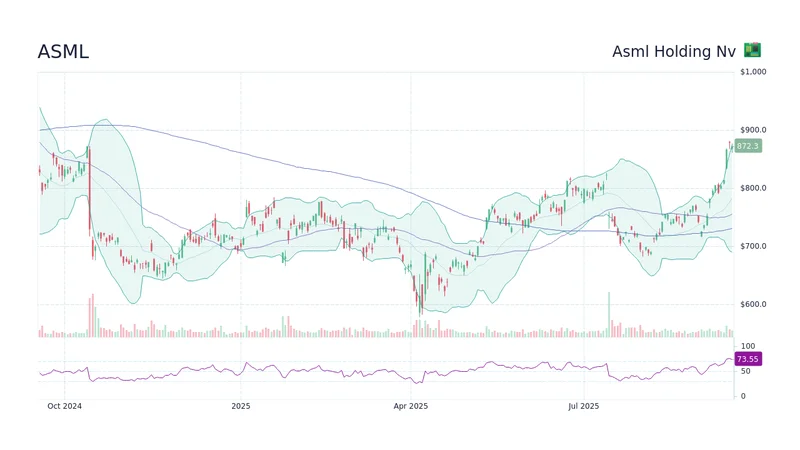
ASML's Future: The 2026 Vision and Why Its Next Breakthrough Changes Everything
ASMLIsn'tJustaStock,It'sthe...
-
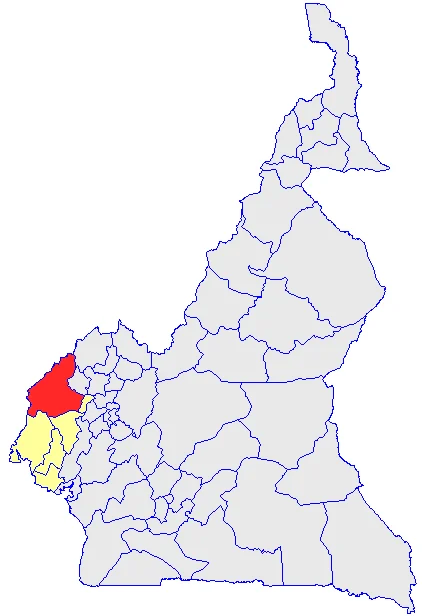
The Manyu Phenomenon: What Connects the Viral Crypto, the Tennis Star, and the Anime Legend
It’seasytodismisssportsasmer...
-
The Nebius AI Breakthrough: Why This Changes Everything
It’snotoftenthatatypo—oratl...
-
Secure Crypto: Unlock True Ownership - Reddit's HODL Guide
Alright,folks,let'stalkcrypto....
- Search
- Recently Published
-
- Misleading Billions: The Truth About DeFi TVL - DeFi Reacts
- Secure Crypto: Unlock True Ownership - Reddit's HODL Guide
- Altcoin Season is "here.": What's *really* fueling the latest altcoin hype (and who benefits)?
- The Week's Pivotal Blockchain Moments: Unpacking the breakthroughs and their visionary future
- DeFi Token Performance Post-October Crash: What *actual* investors are doing and the brutal 2025 forecast
- Monad: A Deep Dive into its Potential and Price Trajectory – What Reddit is Saying
- MSTR Stock: Is This Bitcoin's Future on the Public Market?
- OpenAI News Today: Their 'Breakthroughs' vs. The Broken Reality
- Medicare 2026 Premium Surge: What We Know and Why It Matters
- Accenture: What it *really* is, its stock, and the AI game – What Reddit is Saying
- Tag list
-
- Blockchain (11)
- Decentralization (5)
- Smart Contracts (4)
- Cryptocurrency (26)
- DeFi (5)
- Bitcoin (30)
- Trump (5)
- Ethereum (8)
- Pudgy Penguins (5)
- NFT (5)
- Solana (5)
- cryptocurrency (6)
- XRP (3)
- Airdrop (3)
- MicroStrategy (3)
- Plasma (4)
- Zcash (7)
- Aster (10)
- qs stock (3)
- mstr stock (3)
- asts stock (3)
- investment advisor (4)
- morgan stanley (3)
- ChainOpera AI (4)
- federal reserve news today (4)