SpaceX Double Launch: What's Up and What We Know
Alright, folks, let’s talk about these back-to-back rocket launches scheduled out of Florida. Not one, but two night launches? Sounds like a party, right? Except, as usual, the devil’s in the details, and I’m here to crunch the numbers, not gawk at pretty fireballs.
First, we’ve got SpaceX sending up another batch of Starlink satellites. Twenty-nine of ‘em, to be exact. That brings the total number of Starlinks launched to… well, a hell of a lot. Dr. Jonathan McDowell at Harvard-Smithsonian keeps track, but let’s be honest, who can keep up at this point? The point is, this is routine. SpaceX is turning low-Earth orbit into a giant Wi-Fi router, one launch at a time. The weather forecast? A solid 95% chance of good liftoff conditions. Translation: Elon’s probably not sweating it.
Then comes ULA with their Atlas V, hauling a ViaSat-3 communications satellite. This one's a bit more interesting. It’s the second in a planned constellation of three, designed to boost Viasat's Ka-band network capacity. They’re promising over 1 terabit per second (Tbps) of added bandwidth over the Americas. That's a big number. A really big number. But let’s put that into perspective.
Viasat's CEO, Mark Dankberg, is quoted saying the new satellite will "greatly benefit our customers by efficiently deploying bandwidth to the highest demand places." Marketing fluff? Probably. The first ViaSat-3 satellite, launched by SpaceX back in 2023, had an antenna issue. A rather significant antenna issue that reduced its capacity (details remain scarce, but reduced capacity is never a good sign). So, forgive me if I’m not popping champagne over this launch just yet.
Visibility and Variables
Now, the other half of the story: can you actually see this thing? Apparently, if you're in Florida, your chances are pretty good. They’re saying anywhere from Jacksonville down to West Palm Beach, weather permitting. And if you're further afield – Georgia, South Carolina, maybe even the Caribbean – you might catch a glimpse, especially of the ULA launch, which is powered by five solid rocket boosters. That’s a lot of thrust, and a potentially impressive light show. ULA Atlas V rocket launch in Florida may be visible in Georgia, South Carolina
But let’s be realistic. Visibility is a chaotic equation. You've got weather, cloud cover, light pollution (that’s a big one), and atmospheric conditions. And let's not forget the human factor: are you even looking in the right direction at the right time? People have posted photos from Myrtle Beach and Philadelphia of launches, but how many people didn't see anything and just went back to their Netflix? I'd wager it's a significant discrepancy.
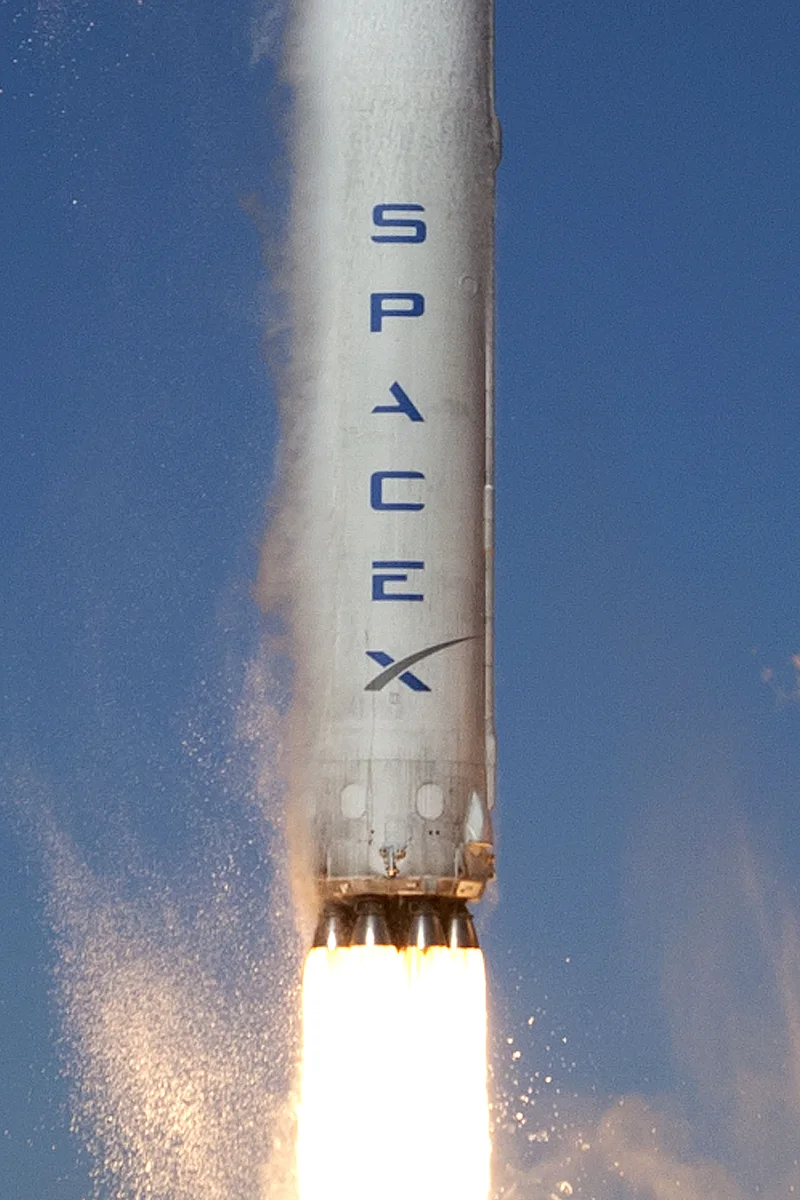
Speaking of which, the article lists a whole bunch of potential viewing spots in Volusia County – beaches, parks, even a seafood restaurant’s back deck. Seems like a lot of effort for something that’s contingent on a dozen different variables.
Here’s the part I find genuinely puzzling: all this emphasis on seeing the launch. I mean, sure, it’s cool. But are we really treating rocket launches as some kind of spectator sport now? A distraction? The actual point of these launches – the deployment of satellites to provide internet service or communications – seems almost secondary to the "photo opportunity." It's as if the utility of space is being overshadowed by the spectacle of getting there.
The Real Payload: Data or Distraction?
And that brings me to my real point. We’re talking about two launches, but the focus is almost entirely on the visual experience. The news articles are filled with maps, viewing locations, and weather forecasts, but comparatively little hard data on the actual payloads. Sure, Viasat claims a terabit per second of added capacity, but what does that mean in terms of actual user experience? How will it affect pricing? What are the potential downsides (increased orbital debris, anyone?). These are the questions I'd be asking.
The 45th Weather Squadron gave a 95% chance of good liftoff conditions. The Falcon 9's first-stage booster for this mission, called B1094, is still pretty new. It has only had four launches so far. After the stage separation, the first-stage rocket is set to land on the droneship Just Read the Instructions that will be in the Atlantic Ocean.
And this, maybe, is the real story here. We’re so busy looking up at the sky, waiting for the pretty lights, that we’re not paying attention to what’s actually being put up there. Is it progress? Is it innovation? Or is it just more data, more noise, more distraction?
Shiny Rockets, Shady Returns
The launches will happen, the satellites will orbit, and the photos will flood social media. But let's not mistake spectacle for substance. The real story isn't in the launch; it's in the data – the data we should be analyzing, and the data we're likely ignoring.

-

The Business of Plasma Donation: How the Process Works and Who the Key Players Are
Theterm"plasma"suffersfromas...
-
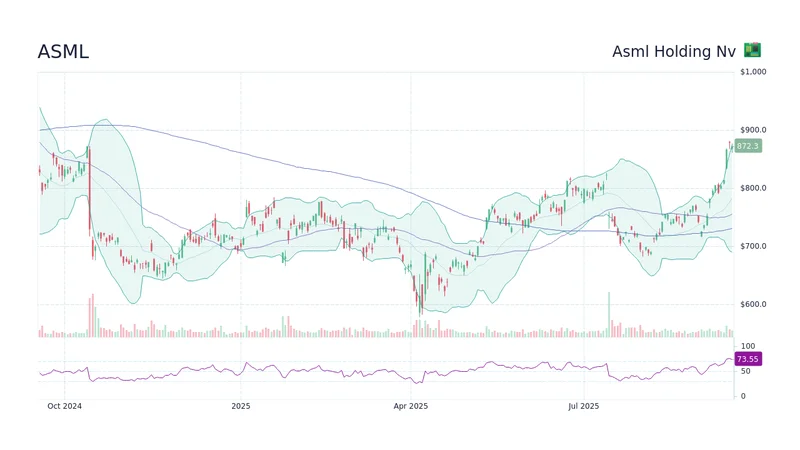
ASML's Future: The 2026 Vision and Why Its Next Breakthrough Changes Everything
ASMLIsn'tJustaStock,It'sthe...
-
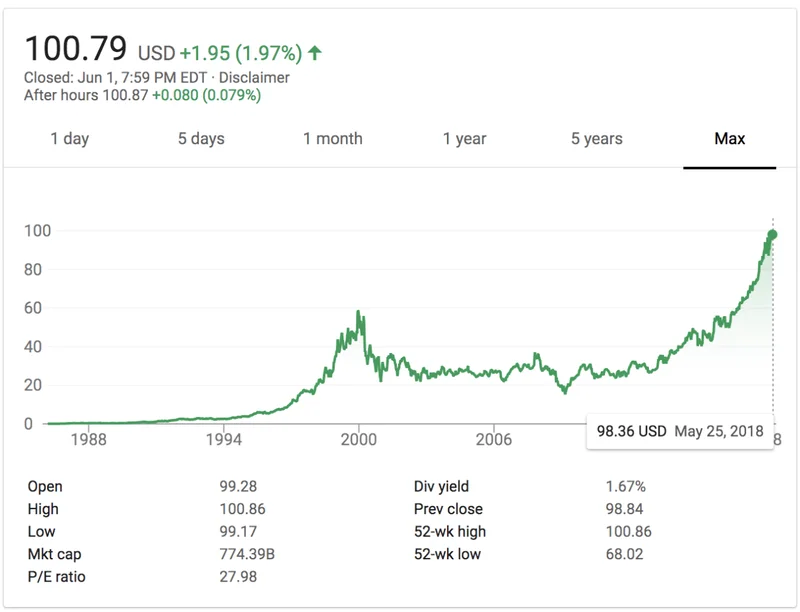
Morgan Stanley's Q3 Earnings Beat: What This Signals for Tech & the Future of Investing
It’seasytoglanceataheadline...
-

The Manyu Phenomenon: What Connects the Viral Crypto, the Tennis Star, and the Anime Legend
It’seasytodismisssportsasmer...
-

The Nebius AI Breakthrough: Why This Changes Everything
It’snotoftenthatatypo—oratl...
- Search
- Recently Published
-
- Misleading Billions: The Truth About DeFi TVL - DeFi Reacts
- Secure Crypto: Unlock True Ownership - Reddit's HODL Guide
- Altcoin Season is "here.": What's *really* fueling the latest altcoin hype (and who benefits)?
- The Week's Pivotal Blockchain Moments: Unpacking the breakthroughs and their visionary future
- DeFi Token Performance Post-October Crash: What *actual* investors are doing and the brutal 2025 forecast
- Monad: A Deep Dive into its Potential and Price Trajectory – What Reddit is Saying
- MSTR Stock: Is This Bitcoin's Future on the Public Market?
- OpenAI News Today: Their 'Breakthroughs' vs. The Broken Reality
- Medicare 2026 Premium Surge: What We Know and Why It Matters
- Accenture: What it *really* is, its stock, and the AI game – What Reddit is Saying
- Tag list
-
- Blockchain (11)
- Decentralization (5)
- Smart Contracts (4)
- Cryptocurrency (26)
- DeFi (5)
- Bitcoin (30)
- Trump (5)
- Ethereum (8)
- Pudgy Penguins (5)
- NFT (5)
- Solana (5)
- cryptocurrency (6)
- XRP (3)
- Airdrop (3)
- MicroStrategy (3)
- Plasma (4)
- Zcash (7)
- Aster (10)
- qs stock (3)
- mstr stock (3)
- asts stock (3)
- investment advisor (4)
- morgan stanley (3)
- ChainOpera AI (4)
- federal reserve news today (4)