Bitcoin's Recovery: The Numbers Don't Add Up (- Reactions Only)
Stablecoins Dominate: Are Regulators Winning, or Just Shifting the Battlefield?
Overview of the 2025 Global Crypto Policy Review & Outlook
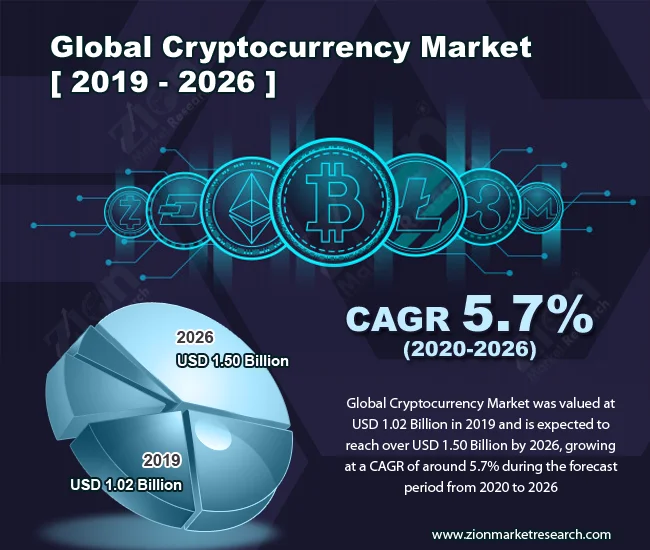
The 2025 Global Crypto Policy Review & Outlook from TRM Labs paints a picture of a crypto landscape increasingly shaped by regulatory action, particularly around stablecoins. The report, covering 30 jurisdictions representing over 70% of global crypto exposure, highlights stablecoins as the central focus for policymakers, with over 70% of those jurisdictions advancing new regulatory frameworks in 2025. This surge in regulation has, in turn, fueled institutional adoption, with financial institutions in about 80% of jurisdictions announcing new digital asset initiatives. But is this a victory for regulators, or simply a strategic retreat by less compliant elements into the shadows?
The VASP Paradox: Regulatory Success or Evasion?
The report points to Virtual Asset Service Providers (VASPs) as evidence of regulatory success. TRM analysis apparently found that VASPs, the most widely regulated segment of the crypto ecosystem, have significantly lower rates of illicit activity than the overall ecosystem. This seems to suggest that regulation is effectively curbing illicit finance within the crypto space. However, a closer look is warranted. Are VASPs inherently less prone to illicit activity, or are illicit actors simply moving to unregulated corners of the ecosystem? The report itself hints at the latter, citing North Korea’s record-breaking hack on Bybit in early 2025, where attackers laundered proceeds through unlicensed over-the-counter (OTC) brokers, cross-chain bridges, and decentralized exchanges—infrastructure that largely sits outside existing regulatory perimeters.
Stablecoin Regulation: Creating Chokepoints?
The report's emphasis on stablecoin regulation also deserves scrutiny. While the GENIUS Act in the US and MiCA in the EU represent significant steps towards regulatory clarity, they also create potential chokepoints. If regulated stablecoins become the primary on-ramps and off-ramps for the crypto ecosystem, does this simply force illicit activity to rely on less liquid, less transparent cryptocurrencies or, worse, entirely unregulated systems outside of the crypto sphere? The report notes the Financial Action Task Force (FATF) warning that gaps in standards implementation leave VASPs in jurisdictions with weak frameworks vulnerable to exploitation. This suggests that regulatory arbitrage remains a significant concern, with illicit actors seeking out the path of least resistance.
Institutional Adoption: A Double-Edged Sword?
Institutional Involvement: Legitimacy vs. Centralization
The report highlights institutional adoption as a positive outcome of regulatory clarity. About 80% of reviewed jurisdictions saw financial institutions announce digital asset initiatives in 2025. This certainly lends legitimacy to the crypto space, but it also raises questions about centralization and control. Are these initiatives truly decentralized, or are they simply new ways for traditional financial institutions to exert influence over the crypto ecosystem? The Basel Committee's review of its proposed prudential rules for banks' crypto exposures is a telling example. The original framework, which would have required full capital deductions for most crypto assets, was slated for implementation by January 1, 2026. However, with major jurisdictions declining to adopt the standards and the rapid growth of the stablecoin market, the Committee agreed to reassess the rules. This suggests that regulatory attitudes are softening, potentially paving the way for greater institutional involvement. But what are the long-term implications of this shift? Will it lead to a more stable and accessible crypto ecosystem, or will it simply reinforce the power of traditional financial institutions?
US Crypto Policy: Genuine Progress or Political Posturing?
I find the US situation particularly interesting. The report states that the US made major strides in regulatory clarity and pushed forward with a slew of crypto-friendly policies under the Trump administration. President Trump issued an executive order on digital assets emphasizing innovation, rejecting a retail CBDC, and creating a President’s Working Group on Digital Asset Markets (PWG). The PWG released a 163-page report mapping coordinated action on market structure, stablecoins, payments, AML/CFT safeguards, and banking integration. But how much of this is genuine progress, and how much is simply political posturing? (I've seen enough of these executive orders to know they often amount to very little in practice.) The report claims the US is signaling its intent to lead globally, pushing proportionate standards at the G20, FSB, and FATF. But can the US truly lead in this space, given the fragmented regulatory landscape and the ongoing debates about jurisdiction between the SEC and the CFTC?
Regulatory Maturity: A Fragile Equilibrium
Balancing Innovation and Safeguards
The TRM Labs report presents a snapshot of a crypto ecosystem in transition. Regulatory clarity is undoubtedly increasing, and institutional adoption is on the rise. But it's crucial to recognize that this progress is not without its challenges. Illicit actors are constantly adapting, seeking out loopholes and unregulated corners of the ecosystem. Regulatory arbitrage remains a significant concern, and the potential for centralization and control by traditional financial institutions looms large. The key to success lies in finding a fragile equilibrium, balancing innovation with safeguards and fostering a truly decentralized and accessible crypto ecosystem. The report is optimistic, but I'm not entirely convinced.

-

The Business of Plasma Donation: How the Process Works and Who the Key Players Are
Theterm"plasma"suffersfromas...
-
ASML's Future: The 2026 Vision and Why Its Next Breakthrough Changes Everything
ASMLIsn'tJustaStock,It'sthe...
-
Morgan Stanley's Q3 Earnings Beat: What This Signals for Tech & the Future of Investing
It’seasytoglanceataheadline...
-

The Manyu Phenomenon: What Connects the Viral Crypto, the Tennis Star, and the Anime Legend
It’seasytodismisssportsasmer...
-

The Great Up-Leveling: What's Happening Now and How We Step Up
Haveyoueverfeltlikeyou'redri...
- Search
- Recently Published
-
- Bitcoin's Recovery: The Numbers Don't Add Up (- Reactions Only)
- Misleading Billions: The Truth About DeFi TVL - DeFi Reacts
- Secure Crypto: Unlock True Ownership - Reddit's HODL Guide
- Altcoin Season is "here.": What's *really* fueling the latest altcoin hype (and who benefits)?
- The Week's Pivotal Blockchain Moments: Unpacking the breakthroughs and their visionary future
- DeFi Token Performance Post-October Crash: What *actual* investors are doing and the brutal 2025 forecast
- Monad: A Deep Dive into its Potential and Price Trajectory – What Reddit is Saying
- MSTR Stock: Is This Bitcoin's Future on the Public Market?
- OpenAI News Today: Their 'Breakthroughs' vs. The Broken Reality
- Medicare 2026 Premium Surge: What We Know and Why It Matters
- Tag list
-
- Blockchain (11)
- Decentralization (5)
- Smart Contracts (4)
- Cryptocurrency (26)
- DeFi (5)
- Bitcoin (30)
- Trump (5)
- Ethereum (8)
- Pudgy Penguins (5)
- NFT (5)
- Solana (5)
- cryptocurrency (6)
- XRP (3)
- Airdrop (3)
- MicroStrategy (3)
- Plasma (4)
- Zcash (7)
- Aster (10)
- qs stock (3)
- mstr stock (3)
- asts stock (3)
- investment advisor (4)
- morgan stanley (3)
- ChainOpera AI (4)
- federal reserve news today (4)