Aster's Airdrop Mess: What 'Data Inconsistencies' Really Means for its Token
So, Aster, the new DeFi darling backed by the ghost of Binance-past, Changpeng “CZ” Zhao, managed to trip over its own feet just hours after taking a victory lap. Let’s not mince words: delaying your big-ticket airdrop because of “potential data inconsistencies” is the crypto equivalent of a restaurant grand opening where the kitchen catches fire. It’s not just a bad look; it’s a flashing neon sign that things are moving too fast and breaking in the most predictable ways.
The official line on the Aster Airdrop Delayed Due to 'Data Inconsistencies' With Token Allocations is a masterclass in corporate non-apology. They identified "inconsistencies," are "reviewing the issue," and promise that "for most users," the final count won't be lower. For most users. What a comforting thought for the minority who are about to get screwed. This came right after their airdrop checker went live, unleashing a torrent of users on social media wondering how their millions in trading volume translated into what looks like pocket change.
Picture it: some trader, eyes bloodshot from staring at charts for weeks, grinding out $9 million in volume on the Aster DEX. He’s been chasing points, playing the game, doing exactly what the platform incentivized him to do. He plugs his wallet into the checker, his heart pounding with the promise of a life-changing score. The screen refreshes. His reward? 336 ASTER tokens. At today’s price, that’s a few hundred bucks. For $9 million in activity. You can’t make this stuff up. I mean, you literally can't... and they expect us to just believe the system is fair?
The whole fiasco is a beautiful, ugly snapshot of the current state of crypto. It’s a world built on hype, fueled by incentives that encourage absurd behavior, and held together by code that, more often than not, seems to be written on a cocktail napkin five minutes before launch. Are we really surprised when the math doesn't add up?
The Airdrop Is Just the Opening Salvo
This isn't just about one clumsy airdrop. This is about How Aster, Lighter and Hyperliquid are competing for the next era of onchain trading. The old battles, fought by platforms like Uniswap and SushiSwap, were about who could offer the most ludicrous yields to attract liquidity. It was a simple, brutish contest of capital. This new war is different. It’s more desperate, more narrative-driven, and infinitely more reckless.
We have a three-way brawl between Hyperliquid, the reigning champ with supposedly "organic" volume; Lighter, the new tech-focused challenger with its zero-fee model; and Aster crypto, the upstart riding a tidal wave of CZ-fueled hype and absolutely insane leverage offerings. 1001x leverage? Give me a break. That isn't a trading tool; it's a financial self-destruct button gift-wrapped for retail gamblers.
The playbook is the same for all of them: dangle a massive airdrop in front of users and reward them with "points" for generating as much trading volume as humanly possible. It’s a bribe, plain and simple. They’re paying people to show up and make the place look busy.

It's like three new nightclubs opening on the same block. Each one offers free top-shelf liquor to anyone who walks in, hoping to create a line around the corner that tricks everyone else into thinking it’s the hottest spot in town. Hyperliquid had its big party and made a lot of early patrons rich. Now, Aster trade and Lighter are pouring the drinks, hoping to do the same. The problem is, what happens when the free booze runs out? Does anyone actually stick around to pay for a drink, or do they just stumble down the street to the next club with an open bar?
According to one analyst, Calder White, Aster’s growth is "very narrative-driven, with traders recycling capital to increase volumes." That’s a polite way of saying the volume is largely fake. It's just users wash trading back and forth to farm points. It’s a bad strategy. No, 'bad' doesn't cover it—this is a five-alarm dumpster fire of an ecosystem model. It's all sizzle, no steak. And this airdrop delay is the first sign that the grill is about to explode.
A System Built on Sand
What this whole episode reveals is the terrifying fragility of a market built on incentives rather than utility. These platforms aren’t competing on who has the best technology, the tightest security, or the most fair-market execution. They’re competing on who can throw the most money at users in the most convoluted way possible. The ASTER price might be holding up for now, but it's propped up by the promise of future rewards, not present-day value.
The entire thing is a game of musical chairs. The airdrop farmers, the VCs, the influencers—they’re all just dancing around, hoping they’ll have a seat when the music stops. But the "data inconsistencies" show just how rickety those chairs are. The very system designed to distribute rewards can't even count correctly under pressure. What does that say about the integrity of the trading engine itself, especially when people are gambling with 1000x leverage? Does anyone actually know what is Aster's real, sustainable value proposition?
And don’t even get me started on the tokenized stocks. We’re taking the most degenerate, high-leverage tools from crypto and applying them to the traditional stock market, all on a platform that can’t even manage a simple token distribution. What could possibly go wrong? It’s a question that seems almost quaint to ask in this space, because the answer is always, offcourse everything.
Then again, maybe I'm the crazy one here. Maybe this is just the price of innovation. Maybe building a new financial system requires a few fiery explosions and a handful of disgruntled users holding worthless bags. But from where I'm sitting, it looks less like innovation and more like the same old casino, just with a fresh coat of decentralized paint.
The Music's Going to Stop Eventually
Let's be real. This isn't about building a better financial future. It's a high-stakes, multi-billion dollar marketing campaign where the product is the promise of getting rich for free. The airdrop isn't a reward for community participation; it's customer acquisition cost, and a clumsy one at that. The "war" isn't about technological supremacy; it's a narrative battle to see who can capture the most exit liquidity from retail traders. This Aster stumble isn't a bug; it's a feature of a system designed to prioritize hype over substance, speed over safety, and promises over performance. The only question is how many people get burned before the whole thing collapses under the weight of its own absurdity.

-

The Business of Plasma Donation: How the Process Works and Who the Key Players Are
Theterm"plasma"suffersfromas...
-
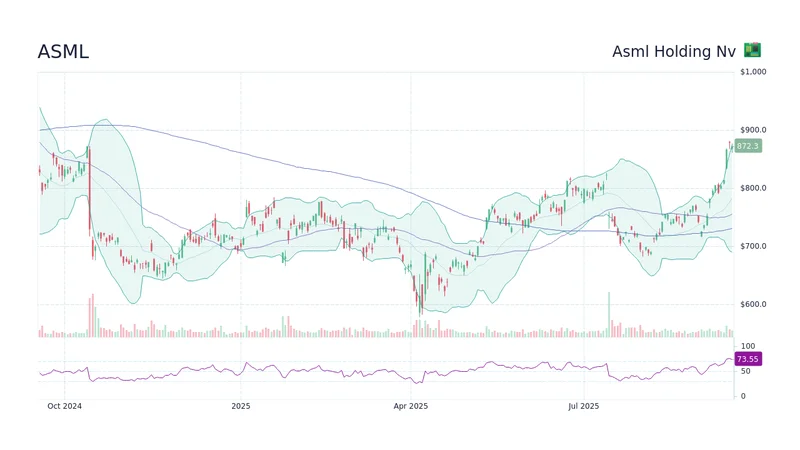
ASML's Future: The 2026 Vision and Why Its Next Breakthrough Changes Everything
ASMLIsn'tJustaStock,It'sthe...
-
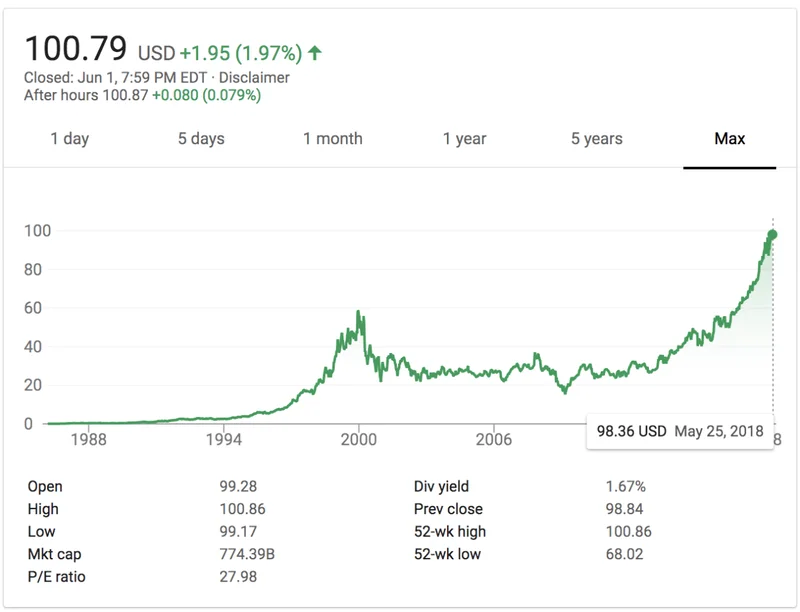
Morgan Stanley's Q3 Earnings Beat: What This Signals for Tech & the Future of Investing
It’seasytoglanceataheadline...
-

The Manyu Phenomenon: What Connects the Viral Crypto, the Tennis Star, and the Anime Legend
It’seasytodismisssportsasmer...
-

The Nebius AI Breakthrough: Why This Changes Everything
It’snotoftenthatatypo—oratl...
- Search
- Recently Published
-
- Bitcoin's Recovery: The Numbers Don't Add Up (- Reactions Only)
- Misleading Billions: The Truth About DeFi TVL - DeFi Reacts
- Secure Crypto: Unlock True Ownership - Reddit's HODL Guide
- Altcoin Season is "here.": What's *really* fueling the latest altcoin hype (and who benefits)?
- The Week's Pivotal Blockchain Moments: Unpacking the breakthroughs and their visionary future
- DeFi Token Performance Post-October Crash: What *actual* investors are doing and the brutal 2025 forecast
- Monad: A Deep Dive into its Potential and Price Trajectory – What Reddit is Saying
- MSTR Stock: Is This Bitcoin's Future on the Public Market?
- OpenAI News Today: Their 'Breakthroughs' vs. The Broken Reality
- Medicare 2026 Premium Surge: What We Know and Why It Matters
- Tag list
-
- Blockchain (11)
- Decentralization (5)
- Smart Contracts (4)
- Cryptocurrency (26)
- DeFi (5)
- Bitcoin (30)
- Trump (5)
- Ethereum (8)
- Pudgy Penguins (5)
- NFT (5)
- Solana (5)
- cryptocurrency (6)
- XRP (3)
- Airdrop (3)
- MicroStrategy (3)
- Plasma (4)
- Zcash (7)
- Aster (10)
- qs stock (3)
- mstr stock (3)
- asts stock (3)
- investment advisor (4)
- morgan stanley (3)
- ChainOpera AI (4)
- federal reserve news today (4)