Silver's Price Surge: Why It's Happening and What It Signals for Our Future
When I saw the news flash across my screen—silver soaring past $50 an ounce for the first time since 1980—I honestly just sat back in my chair, speechless. The headlines were all screaming about investor panic, safe havens, and echoes of a speculative bubble from four decades ago. Everyone was asking, What the silver spot price surge means for investors. And sure, that’s part of the story. But it’s not the real story.
What we’re seeing isn’t just a number on a trading chart. It’s a signal. A tremor from the future. The financial world is accidentally tripping over a profound truth that we in the tech world have seen coming for years: the physical cost of building tomorrow. This price surge isn’t about fear; it’s about the roaring, insatiable, and absolutely necessary demand of a world in the middle of a radical transformation. This isn’t a story about money. It’s a story about metal, and the incredible future we’re building with it.
Forget the narrative of panicked investors hiding their cash in shiny rocks. That’s a 20th-century lens on a 21st-century phenomenon. Let's look deeper.
The Physical DNA of Progress
Silver has this fascinating dual identity. It’s a monetary metal, sure—a safe harbor in a financial storm. People have used it to store wealth for millennia. But it’s also the most electrically and thermally conductive element on the planet. In simpler terms, it’s the perfect messenger, the high-speed rail for electrons in everything from your phone to the solar panels powering our world. For decades, this industrial role was the quiet, unassuming part of silver’s identity. Now, it’s screaming for attention.
Think about the revolutions we’re living through. The green energy transition isn’t a vague concept; it’s millions of physical solar panels being installed, each one laced with silver paste to capture and conduct the sun’s energy. The electric vehicle boom isn’t just about software and batteries; it’s about the thousands of electrical contacts and silver-coated components inside every single car that rolls off the assembly line.
This is the kind of breakthrough that reminds me why I got into this field in the first place. You have to understand, it’s not just one industry, it’s a convergence of revolutions all demanding the same finite element at the same time—the EV boom needs it for batteries and components, the solar revolution is built on it, the 5G and 6G rollout depends on it, and every smart device we create is laced with it, and that creates a demand curve that looks less like a hill and more like a rocket launch.
What we’re witnessing is the market finally waking up to a simple, physical reality. Silver is to the 21st-century technological revolution what steel was to the Industrial Revolution or what silicon was to the digital age: the fundamental, non-negotiable building block. It’s the ghost in the machine, and for the first time, we can see its outline priced in dollars and cents. The question isn't whether silver is overvalued. The real question is: have we been undervaluing the very material that our future is made of? And what happens when the demand for progress outstrips the physical supply of its core ingredients?
This Isn't Your Grandfather's Silver Boom
Of course, the moment silver hit $50, the alarm bells started ringing. Everyone immediately pointed to 1980, when the billionaire Hunt brothers tried to corner the market, creating a spectacular bubble that ended in a catastrophic crash. It’s a tempting comparison, but it’s a fundamentally flawed one. The Hunt brothers’ saga was a story of pure speculation—a financial drama driven by a handful of powerful players. It was a house of cards.
This is different. This is a story of fundamental, global, physical demand. It isn’t driven by a few billionaires in a boardroom; it’s driven by billions of people and millions of engineers building solar farms in deserts, EVs in gigafactories, and data centers that power our interconnected world. It’s a pull from the future, not a push from speculators.
This brings us to a moment of real responsibility. If this demand is truly sustainable, baked into the DNA of our technological progress, then we can’t just treat it like another commodity to be traded. We have to think like engineers and innovators. How do we become radically more efficient with our use of silver? Can we pioneer new methods of recycling to reclaim every last atom from discarded electronics? Can we discover new materials that can perform some of silver’s functions?
This price signal isn’t a warning to sell; it’s a challenge to innovate. It’s the planet’s geological and economic systems telling us that our ambition is incredible, but our resources are finite. We have the vision for a clean, connected, and intelligent world, but do we have the wisdom to build it sustainably? The answer to that will define the next fifty years far more than any spot price on a given Tuesday. This isn't just about managing a portfolio; it's about managing our collective future.
This Isn't an Investment, It's a Barometer
Let’s be clear. The surge to $50 an ounce isn’t a finish line; it’s a starting gun. It’s the market’s loud, clumsy, but ultimately correct acknowledgment that the future we’ve been talking about, designing, and dreaming of is no longer a distant vision. It’s being manufactured, right now, at a scale humanity has never seen before. And it has a physical cost. This price spike isn't a bubble of speculation. It's a barometer of creation.

-

The Business of Plasma Donation: How the Process Works and Who the Key Players Are
Theterm"plasma"suffersfromas...
-
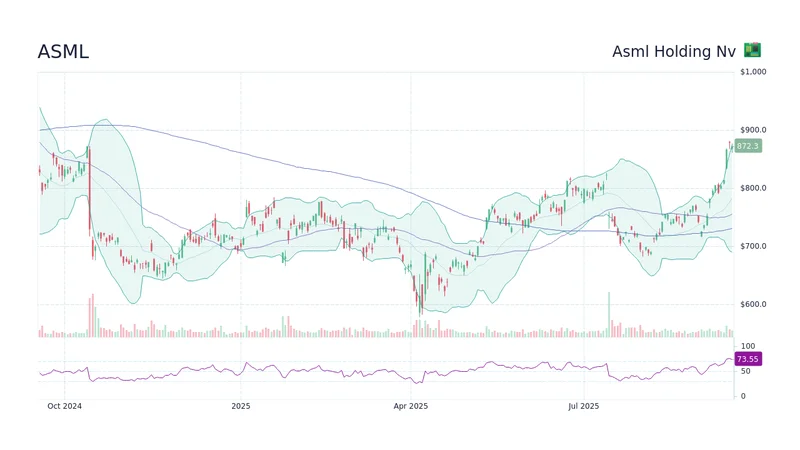
ASML's Future: The 2026 Vision and Why Its Next Breakthrough Changes Everything
ASMLIsn'tJustaStock,It'sthe...
-
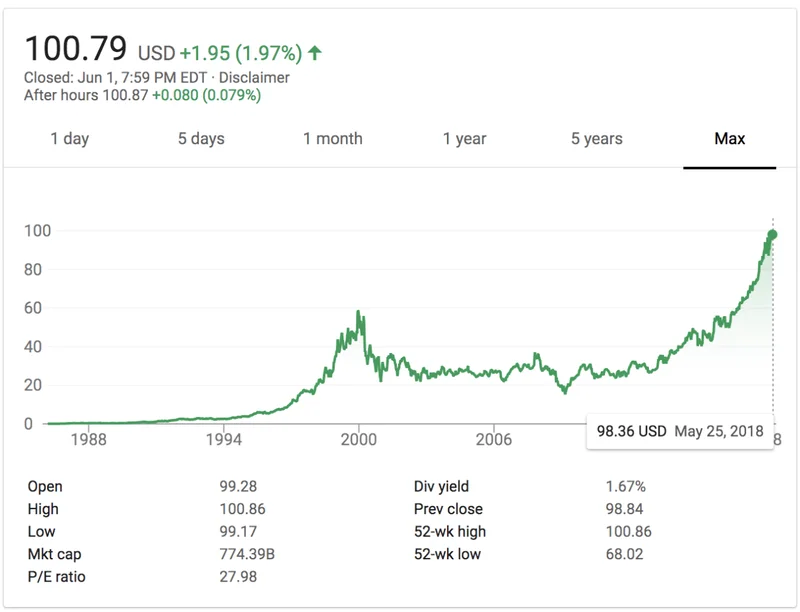
Morgan Stanley's Q3 Earnings Beat: What This Signals for Tech & the Future of Investing
It’seasytoglanceataheadline...
-

The Manyu Phenomenon: What Connects the Viral Crypto, the Tennis Star, and the Anime Legend
It’seasytodismisssportsasmer...
-

The Great Up-Leveling: What's Happening Now and How We Step Up
Haveyoueverfeltlikeyou'redri...
- Search
- Recently Published
-
- Bitcoin's Recovery: The Numbers Don't Add Up (- Reactions Only)
- Misleading Billions: The Truth About DeFi TVL - DeFi Reacts
- Secure Crypto: Unlock True Ownership - Reddit's HODL Guide
- Altcoin Season is "here.": What's *really* fueling the latest altcoin hype (and who benefits)?
- The Week's Pivotal Blockchain Moments: Unpacking the breakthroughs and their visionary future
- DeFi Token Performance Post-October Crash: What *actual* investors are doing and the brutal 2025 forecast
- Monad: A Deep Dive into its Potential and Price Trajectory – What Reddit is Saying
- MSTR Stock: Is This Bitcoin's Future on the Public Market?
- OpenAI News Today: Their 'Breakthroughs' vs. The Broken Reality
- Medicare 2026 Premium Surge: What We Know and Why It Matters
- Tag list
-
- Blockchain (11)
- Decentralization (5)
- Smart Contracts (4)
- Cryptocurrency (26)
- DeFi (5)
- Bitcoin (30)
- Trump (5)
- Ethereum (8)
- Pudgy Penguins (5)
- NFT (5)
- Solana (5)
- cryptocurrency (6)
- XRP (3)
- Airdrop (3)
- MicroStrategy (3)
- Plasma (4)
- Zcash (7)
- Aster (10)
- qs stock (3)
- mstr stock (3)
- asts stock (3)
- investment advisor (4)
- morgan stanley (3)
- ChainOpera AI (4)
- federal reserve news today (4)