Orvis Is Closing 36 Stores: And the 'Official' Reason Is a Joke
So, Orvis is gutting itself. They’re closing more than half their stores—Orvis says it's closing 31 stores and five outlets by early 2026. The official line from President Simon Perkins, whose grandpappy bought the company 60 years ago, is a masterclass in corporate doublespeak. The villain of this story? An "unprecedented tariff landscape."
Give me a break.
Blaming tariffs for gutting your company is the business equivalent of your deadbeat roommate blaming "the economy" for not having rent money. It’s a convenient, faceless boogeyman that requires zero self-reflection. It’s an excuse, not a reason. Orvis has been bleeding for a while now. This isn't a sudden flu; it's a chronic illness. They laid off 8% of their workforce a year ago. They killed their iconic, 170-year-old catalog. They’ve been trimming the fat for years.
This move to shutter half the company's physical presence is just the most gruesome chapter in a long, slow decline. And to pin it all on tariffs? It’s an insult to anyone with a functioning brain. What really happened here? Did a bunch of import taxes suddenly make their overpriced dog beds unprofitable? Or did the company simply lose the plot years ago?
The Great Identity Crisis
Let's deconstruct the other piece of PR gold from Perkins: "we are entering an exciting new chapter by returning to our roots and sharpening our focus on... fly fishing and wingshooting."
Translation: "We tried to be L.L. Bean for people with more money and it failed spectacularly, so now we’re retreating to the one thing we know our most die-hard customers will still buy."
This isn't a bold new strategy. No, 'bold' doesn't cover it—this is a full-blown retreat. Orvis spent the last couple of decades desperately trying to escape its niche. They wanted to be a "lifestyle brand." That meant selling a $150 Orvis shirt to a guy in a suburban office park who wanted to project an aura of rugged individualism while sitting in a cubicle. It meant pushing Orvis clothing and waxed cotton Orvis jackets that were more likely to see the inside of a Whole Foods than a duck blind.
I can picture the scene in one of those doomed Orvis stores right now. The faint, pleasant smell of cedar and leather. Racks of perfectly creased Orvis pants next to displays of high-tech Orvis waders. And in the corner, an Orvis dog bed that costs more than a car payment. It was all so… curated. So clean. It was an aesthetic, not a purpose. They were selling the idea of the outdoors, packaged for people who were terrified of getting their Orvis boots dirty.
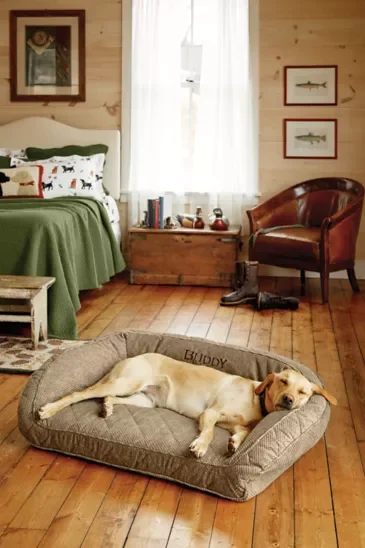
And in doing so, they diluted the very thing that made them special. They became just another catalog company, another mall store, competing with a dozen others selling the same vaguely outdoorsy vibe. Did they really think they could out-Barbour Barbour? Or out-Bean L.L. Bean? What was the unique proposition, other than a higher price tag? This move to focus back on the core Orvis fishing and hunting gear is an admission of that failure. They chased the mainstream, got their asses handed to them, and now they're running home.
The problem, offcourse, is that the world has changed. While Orvis was busy selling chinos, a hundred smaller, more agile, and more authentic brands popped up online, catering directly to the hardcore anglers and hunters Orvis is now desperately trying to win back. Can they? Are the guys who live and breathe this stuff going to come flocking back to a brand that spent 20 years trying to appeal to their bosses?
The Wholesale Surrender
The most telling part of this whole mess is the pivot to wholesale. Orvis is going to "focus" on its partnerships with over 550 independent retailers and big-box giants like Bass Pro Shops and Cabela’s.
Let's be clear about what this means. It means Orvis is giving up on controlling its own customer experience. Instead of being a destination, the Orvis company will now just be another brand on a crowded rack. An Orvis fly rod will sit next to a dozen other rods. Their logo will be just one among many. This isn't a strategy for growth; it's a strategy for survival. It's what you do when you can no longer justify the rent on your own damn stores.
They’re effectively outsourcing their retail presence to companies that, frankly, have a much clearer idea of who their customers are. Bass Pro Shops ain’t having an identity crisis. They know exactly who they’re selling to. Orvis, on the other hand…
They talk about "unforgettable experiences" and their "Orvis Adventures" business, but closing half your stores is a pretty unforgettable experience for the hundreds of employees who are about to lose their jobs. It’s an unforgettable experience for the loyal customers in those towns who now have to search for "Orvis near me" only to find nothing. The corporate statement is full of gratitude for the associates who embodied the brand's values, which is the corporate way of saying "thanks for everything, now please turn in your name tag."
So what is Orvis now? Is it a premium gear company? A travel agency? A clothing brand on the discount rack at Sportsman's Warehouse? By trying to be everything, they’re on a fast track to becoming nothing special at all.
This Wasn't About Tariffs
Let's call this what it is. This isn't a story about tariffs. It’s a story about a legacy brand that got greedy, lost its soul chasing trends, and forgot who it was. The "return to our roots" isn't a noble pilgrimage; it’s a forced march back from the brink of irrelevance. They aren't choosing to focus on their core business out of some newfound clarity. They’re doing it because it’s the only part of their crumbling empire that’s still standing. And even that's no guarantee for the future.

-

The Business of Plasma Donation: How the Process Works and Who the Key Players Are
Theterm"plasma"suffersfromas...
-
ASML's Future: The 2026 Vision and Why Its Next Breakthrough Changes Everything
ASMLIsn'tJustaStock,It'sthe...
-
Morgan Stanley's Q3 Earnings Beat: What This Signals for Tech & the Future of Investing
It’seasytoglanceataheadline...
-
The Manyu Phenomenon: What Connects the Viral Crypto, the Tennis Star, and the Anime Legend
It’seasytodismisssportsasmer...
-

The Nebius AI Breakthrough: Why This Changes Everything
It’snotoftenthatatypo—oratl...
- Search
- Recently Published
-
- Misleading Billions: The Truth About DeFi TVL - DeFi Reacts
- Secure Crypto: Unlock True Ownership - Reddit's HODL Guide
- Altcoin Season is "here.": What's *really* fueling the latest altcoin hype (and who benefits)?
- The Week's Pivotal Blockchain Moments: Unpacking the breakthroughs and their visionary future
- DeFi Token Performance Post-October Crash: What *actual* investors are doing and the brutal 2025 forecast
- Monad: A Deep Dive into its Potential and Price Trajectory – What Reddit is Saying
- MSTR Stock: Is This Bitcoin's Future on the Public Market?
- OpenAI News Today: Their 'Breakthroughs' vs. The Broken Reality
- Medicare 2026 Premium Surge: What We Know and Why It Matters
- Accenture: What it *really* is, its stock, and the AI game – What Reddit is Saying
- Tag list
-
- Blockchain (11)
- Decentralization (5)
- Smart Contracts (4)
- Cryptocurrency (26)
- DeFi (5)
- Bitcoin (30)
- Trump (5)
- Ethereum (8)
- Pudgy Penguins (5)
- NFT (5)
- Solana (5)
- cryptocurrency (6)
- XRP (3)
- Airdrop (3)
- MicroStrategy (3)
- Plasma (4)
- Zcash (7)
- Aster (10)
- qs stock (3)
- mstr stock (3)
- asts stock (3)
- investment advisor (4)
- morgan stanley (3)
- ChainOpera AI (4)
- federal reserve news today (4)