Beyond Meat's Stock Disaster: The Debt Deal Debacle and Why We All Saw This Coming
The Great Pea-Protein Ponzi Scheme Finally Collapsed
So, Beyond Meat. Remember them? The company that was going to save the planet, end animal agriculture, and make us all healthier by mashing together peas, beans, and a whole bunch of unpronounceable powders into a burger-shaped puck. The stock market darling. The media’s obsession.
Well, their stock just hit 67 cents.
Let that sink in for a second. From a high of almost $235 a share in 2019 to less than the cost of a gumball. If you bought at the peak, you’ve successfully lit 99% of your money on fire. Congratulations, you’ve invested in one of the most spectacular flameouts of the post-hype era. And the company’s solution? A debt deal that involves printing up to 326 million new shares, a move that has seen Beyond Meat’s stock collapses after debt deal and basically turns the remaining value of its stock into confetti.
I’ve been watching this train wreck in slow motion for years, and I have to say, it’s validating. Not because I want people to lose their jobs or investments, but because the entire premise was built on a foundation of pure, unadulterated Silicon Valley hubris. They sold a story, a zeitgeist, not a product people actually wanted to eat more than once.
CEO Ethan Brown, in a moment of what I can only describe as cosmic delusion, told analysts that animal meats are just having a “moment.” A moment. As if eating meat is some kind of fleeting cultural trend like skinny jeans or TikTok dances, and not, you know, a cornerstone of the human diet for millennia. He said, “we happen to be on the other side of the particular moment.”
Let me translate that for you: “People tried our expensive, mushy pea-patties and decided they’d rather just have a real burger, thanks.” This isn't a "cultural moment"; it's a market correction for a product that fundamentally misunderstood its customers.
They Called It a 'Headwind of Misinformation'
The best part of this whole saga is the blame game. According to Brown, the company is facing a “headwind of misinformation” about processed foods, supposedly whipped up by the big bad meat lobby. This is a bad argument. No, 'bad' doesn't cover it—this is a masterclass in corporate gaslighting.
People aren’t skeptical of Beyond Meat because of some shadowy PR campaign. They’re skeptical because they can read the damn ingredients list. When your “burger” has 20+ ingredients including things like methylcellulose and potato starch, and a steak has one, you don’t need a conspiracy to explain why people might think one is more processed than the other. Calling this “misinformation” is an insult to everyone’s intelligence. The "misinformation" is just... information.

The whole plant-based meat boom was like a Hollywood blockbuster with a $200 million marketing budget and a script written by an intern. The opening weekend—the IPO—was spectacular. The critics (media) raved, the crowds showed up. But then word-of-mouth started to spread. People left the theater (the dinner table) feeling a little empty, a little unsatisfied, and a lot poorer. By the second weekend, the place was empty. And now they're wondering why nobody is coming to the sequel.
But are we really supposed to believe that a company that never once turned a profit, even at its peak, was derailed by a whisper campaign? Or is it more likely that their plan to charge a premium for a product that consistently loses taste-tests to the real thing was, their plan is offcourse, fundamentally flawed from the start?
This isn't just a Beyond Meat problem, either. The entire industry is cratering. Unit sales are down 28% in two years. It turns out, when inflation is kicking your family in the teeth at the grocery store, you’re probably not going to spend eight bucks on a two-pack of veggie burgers when ground beef is half the price. It’s not rocket science; it’s basic economics.
A 'Chief Transformation Officer' Isn't Going to Fix This
So what’s the grand plan to pull out of this nosedive? They’ve laid off more people and, get this, hired a “chief transformation officer.” I swear, that job title is corporate America’s white flag of surrender. It’s what you call the person you bring in to manage the decline and make the spreadsheets look less terrifying before the inevitable. It's like my landlord hiring a "Chief Residential Ambiance Coordinator" instead of just fixing the damn leaky faucet.
Their big product pivot is… a new burger with less fat and a sausage made with faba beans. They’re chasing endorsements from the American Heart Association, hoping a seal of approval will convince people to ignore their own lying taste buds. They think a few positive pull-quotes are going to reverse a total collapse of consumer confidence, and I just...
It’s all noise. It’s deck-chair-rearranging on a ship that hit the iceberg years ago. The core problem remains what it always was: taste and price. You can’t build a mass-market food empire on a product that is objectively more expensive and subjectively less tasty than its primary competitor. You can fool investors for a while. You can fool the media. You might even fool yourself. But you can’t fool a person’s palate forever.
Maybe I’m the crazy one here. Maybe there’s a silent majority of people just clamoring for a faba bean steak filet. But watching this company’s stock chart go from a skyscraper to a pothole, I’d say the market has already placed its bet. The revolution is over. The zeitgeist has left the building.
You Can't Market Your Way Around a Bad Product
Let's be brutally honest. Beyond Meat was never a food company; it was a tech company that happened to make something vaguely edible. It sold a narrative of disruption and world-changing innovation, wrapping it around a mediocre pea-protein puck. They got the IPO, the founders got rich, and the venture capitalists got their exit. The mission was accomplished. The only ones left holding the bag are the retail investors and true believers who thought they were buying into the future of food, when all they were really getting was the future of marketing hype. The numbers don't lie. You can't fool biology, and you sure as hell can't build a sustainable business on a product people simply don't want to buy.

-

The Business of Plasma Donation: How the Process Works and Who the Key Players Are
Theterm"plasma"suffersfromas...
-
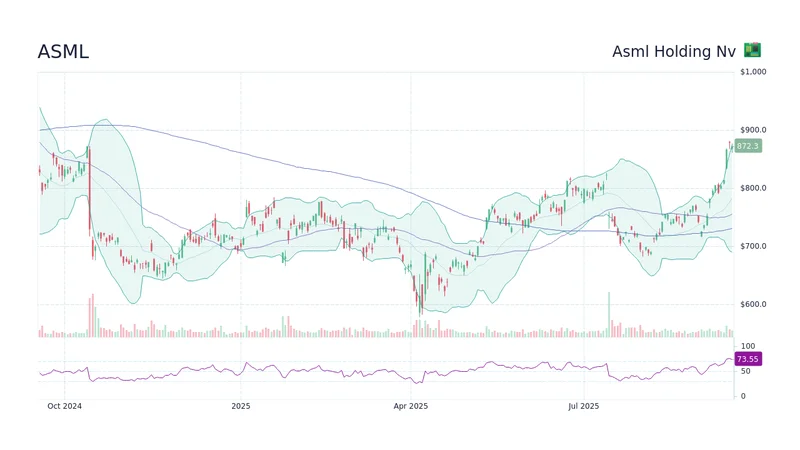
ASML's Future: The 2026 Vision and Why Its Next Breakthrough Changes Everything
ASMLIsn'tJustaStock,It'sthe...
-
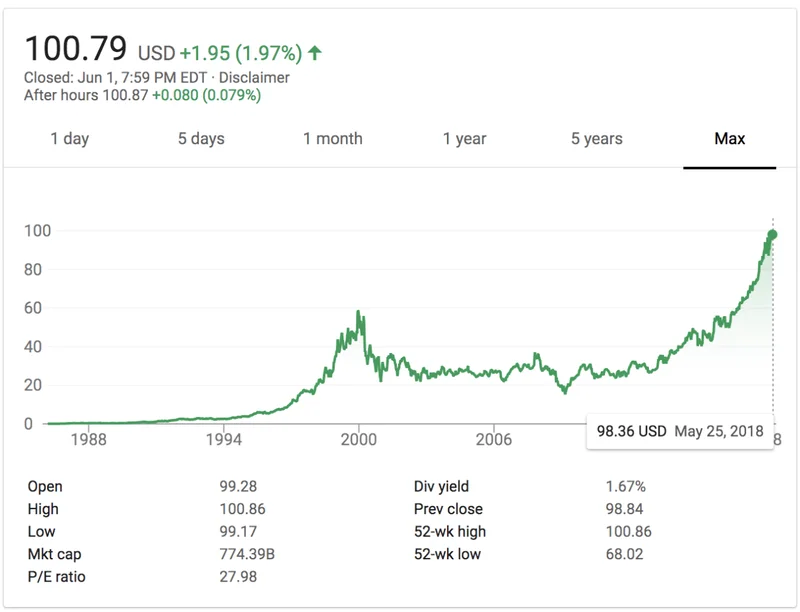
Morgan Stanley's Q3 Earnings Beat: What This Signals for Tech & the Future of Investing
It’seasytoglanceataheadline...
-

The Manyu Phenomenon: What Connects the Viral Crypto, the Tennis Star, and the Anime Legend
It’seasytodismisssportsasmer...
-

The Nebius AI Breakthrough: Why This Changes Everything
It’snotoftenthatatypo—oratl...
- Search
- Recently Published
-
- Misleading Billions: The Truth About DeFi TVL - DeFi Reacts
- Secure Crypto: Unlock True Ownership - Reddit's HODL Guide
- Altcoin Season is "here.": What's *really* fueling the latest altcoin hype (and who benefits)?
- The Week's Pivotal Blockchain Moments: Unpacking the breakthroughs and their visionary future
- DeFi Token Performance Post-October Crash: What *actual* investors are doing and the brutal 2025 forecast
- Monad: A Deep Dive into its Potential and Price Trajectory – What Reddit is Saying
- MSTR Stock: Is This Bitcoin's Future on the Public Market?
- OpenAI News Today: Their 'Breakthroughs' vs. The Broken Reality
- Medicare 2026 Premium Surge: What We Know and Why It Matters
- Accenture: What it *really* is, its stock, and the AI game – What Reddit is Saying
- Tag list
-
- Blockchain (11)
- Decentralization (5)
- Smart Contracts (4)
- Cryptocurrency (26)
- DeFi (5)
- Bitcoin (30)
- Trump (5)
- Ethereum (8)
- Pudgy Penguins (5)
- NFT (5)
- Solana (5)
- cryptocurrency (6)
- XRP (3)
- Airdrop (3)
- MicroStrategy (3)
- Plasma (4)
- Zcash (7)
- Aster (10)
- qs stock (3)
- mstr stock (3)
- asts stock (3)
- investment advisor (4)
- morgan stanley (3)
- ChainOpera AI (4)
- federal reserve news today (4)