A Turning Point for Mortgage Rates: The Real Story Behind the 2025 Drop & What It Means for You
The Signal Hidden in the Noise of Today's Mortgage Rates
Let's start with the good news, because it’s real and you’re probably feeling it. As of mid-October 2025, the average 30-year fixed mortgage rate has dipped to 6.18%. That’s not just a random number; it’s the lowest we’ve seen all year. For anyone who has been sitting on the sidelines, watching rates flirt with 7% since January, this feels like a collective exhale. A window of opportunity is cracking open.
But if you’re like me, you’re also feeling a sense of cognitive dissonance. The Federal Reserve finally started cutting its benchmark interest rate back in September. The headlines screamed about it. We were told this was the beginning of the great easing. So why are mortgage rates just… inching down? Why isn’t the dam breaking? What are the current mortgage interest rates really telling us?
The answer, I believe, is that most of us have been watching the wrong show. We’ve been fixated on the Fed’s every move, treating it like the main character in our economic drama. But the real story, the one that truly dictates the cost of buying a home in America, is happening in a different theater entirely. And when you see it, you can’t unsee it.
The Market's True North Star
Here’s the thing they don’t put in the flashy headlines: the Fed doesn’t set mortgage rates. Not directly. The number you see when you use a mortgage calculator is primarily tethered to a completely different metric. This all comes down to something called the 10-year Treasury yield—in simpler terms, it’s the interest rate the U.S. government pays to borrow money for ten years, and it's the true north star for home mortgage interest rates. When it goes up, mortgage rates tend to follow. When it goes down, they do, too. This underlying mechanic is key to understanding Why Mortgage Rates Might Not Keep Going Down.
So, the real question isn't "What will the Fed do next?" The real question is, "Why has the 10-year Treasury yield been so stubbornly high, even as the Fed starts cutting short-term rates?"

The answer is a force so massive it almost defies belief. It’s the ever-expanding supply of U.S. debt. Think of it like this: the Fed cutting its rate is like trying to lower the water level in a massive lake by scooping out a few buckets. At the same time, however, an unprecedented torrent of water is pouring into that same lake from a river upstream. That river is the U.S. Treasury, which has to issue a relentless stream of new bonds to finance the national debt.
The federal debt has exploded from $5.6 trillion in 2000 to over $36 trillion today and that isn't just an abstract number—it's a constant, massive supply of new Treasury bonds hitting the market, which pushes prices down and forces yields up, creating a headwind that no single Fed rate cut can easily overcome. When I first mapped the exploding federal debt against the stubbornness of the 10-year Treasury yield, I honestly just leaned back. It was a classic systems problem, the kind of thing we used to model at MIT. The market isn't shrugging at the Fed; it's responding to a much larger, more powerful force.
This is the hidden signal. The slight mortgage interest rates drop we're seeing now is the market pricing in future Fed cuts, but the high baseline is the market pricing in our nation's fiscal reality. So what does this mean for you, for us? It means waiting for a return to the 3% rates of 2021 is like waiting for a time machine. Experts from the National Association of Realtors to Pantheon Macroeconomics are all pointing to the same conclusion, a view supported by many a Projected mortgage interest rates for the next 5 years: rates hovering around 6% are likely the new normal for 2026 and beyond. Barring a major economic crisis, the physics of our national balance sheet just won't allow for much else.
This isn't a story of political failure or economic doom. It’s a story about data. And understanding the data is empowering. It frees us from the anxiety of trying to time the market based on Fed press conferences. It allows us to see the landscape for what it is and plan accordingly. Knowing that 6% is the new 4% changes the entire calculation. It shifts the focus from "When will rates plummet?" to "How do I make this new reality work for me?"
This reminds me of the early days of the internet. People were fixated on dial-up speeds, constantly asking when it would get faster. But the real paradigm shift wasn't just about speed; it was about understanding that the very structure of information was changing. Similarly, the shift here isn't just about the rate itself, but about understanding the new structural forces that are setting that rate. What are the best mortgage interest rates we can realistically expect in this new paradigm? How do we build financial health in a world where the cost of long-term borrowing is fundamentally higher? These are the questions that matter now.
This Is the New Rulebook
So, we're not going back to the days of unicorn-level 3% mortgages. And that's okay. Because clarity is power. Understanding that 30 year mortgage interest rates are shaped more by fiscal policy than by Jerome Powell’s speeches gives us a new rulebook to play by. It means the smart move isn't to wait for a miracle, but to build a plan based on the world as it actually is. The current dip, this 2025 low, isn't a fluke—it's a moment of relative calm in a new climate. It's a signal that now, with clear eyes and realistic expectations, might just be the time to act.

-

The Business of Plasma Donation: How the Process Works and Who the Key Players Are
Theterm"plasma"suffersfromas...
-
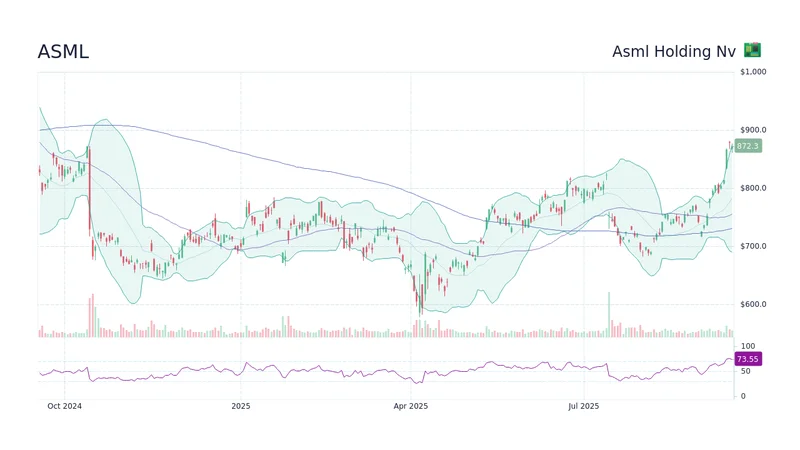
ASML's Future: The 2026 Vision and Why Its Next Breakthrough Changes Everything
ASMLIsn'tJustaStock,It'sthe...
-
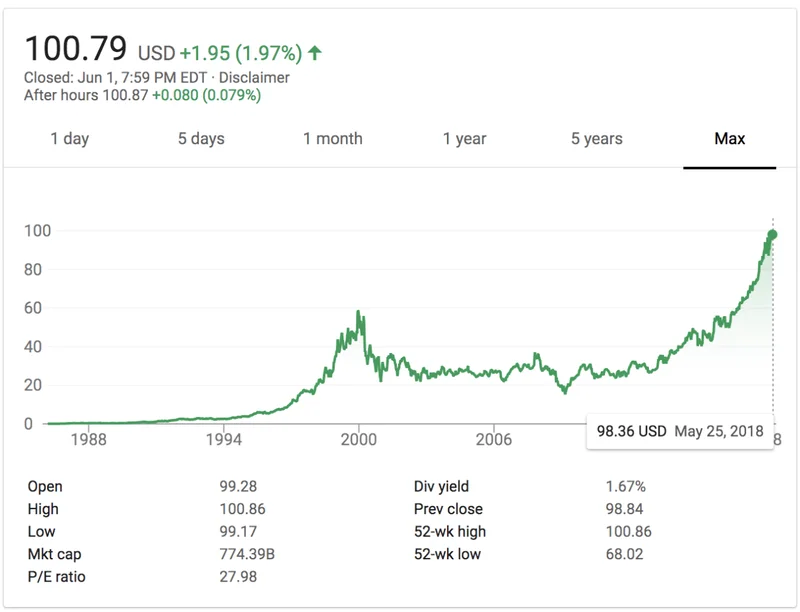
Morgan Stanley's Q3 Earnings Beat: What This Signals for Tech & the Future of Investing
It’seasytoglanceataheadline...
-

The Manyu Phenomenon: What Connects the Viral Crypto, the Tennis Star, and the Anime Legend
It’seasytodismisssportsasmer...
-

The Nebius AI Breakthrough: Why This Changes Everything
It’snotoftenthatatypo—oratl...
- Search
- Recently Published
-
- Misleading Billions: The Truth About DeFi TVL - DeFi Reacts
- Secure Crypto: Unlock True Ownership - Reddit's HODL Guide
- Altcoin Season is "here.": What's *really* fueling the latest altcoin hype (and who benefits)?
- The Week's Pivotal Blockchain Moments: Unpacking the breakthroughs and their visionary future
- DeFi Token Performance Post-October Crash: What *actual* investors are doing and the brutal 2025 forecast
- Monad: A Deep Dive into its Potential and Price Trajectory – What Reddit is Saying
- MSTR Stock: Is This Bitcoin's Future on the Public Market?
- OpenAI News Today: Their 'Breakthroughs' vs. The Broken Reality
- Medicare 2026 Premium Surge: What We Know and Why It Matters
- Accenture: What it *really* is, its stock, and the AI game – What Reddit is Saying
- Tag list
-
- Blockchain (11)
- Decentralization (5)
- Smart Contracts (4)
- Cryptocurrency (26)
- DeFi (5)
- Bitcoin (30)
- Trump (5)
- Ethereum (8)
- Pudgy Penguins (5)
- NFT (5)
- Solana (5)
- cryptocurrency (6)
- XRP (3)
- Airdrop (3)
- MicroStrategy (3)
- Plasma (4)
- Zcash (7)
- Aster (10)
- qs stock (3)
- mstr stock (3)
- asts stock (3)
- investment advisor (4)
- morgan stanley (3)
- ChainOpera AI (4)
- federal reserve news today (4)