The Leadership Revolution We're Already In: What a New Survey Reveals About the Future of Work
I just stumbled across a statistic that, on the surface, seems like a simple, feel-good headline for Boss’s Day. A new survey from GroupTogether delivered a Boss’s Day Bombshell: 75% of Employees Actually LIKE Their Boss – New Survey Shatters Stereotypes. The key finding? A staggering 75.9% of employees actually like their boss. My first thought was, "That's nice." It’s a welcome break from the tired old trope of the tyrannical, coffee-spilling manager we see in movies.
But then I let it sink in. And I realized this isn't a small story. This is a tremor signaling a tectonic shift beneath the entire landscape of work.
This number flies in the face of another, much grimmer reality: U.S. employee engagement just hit a 10-year low. Managers themselves are burning out, with nearly half feeling undertrained and overwhelmed. So, what’s going on? How can we simultaneously like our leaders more than ever while feeling less connected to our jobs? The answer, I believe, has very little to do with gift cards or "World's Best Boss" mugs. It has everything to do with a quiet revolution that’s fundamentally rewiring the definition of management itself. We're not just getting better bosses; we're witnessing the end of the manager as we know it and the dawn of something far more human.
The Great Unburdening
Let's be honest. For decades, the job of a "manager" has been a messy, often contradictory role. They're expected to be strategists, mentors, therapists, and project managers, but they spend most of their time buried in administrative sludge: approving time-offs, screening resumes, chasing deadlines, and navigating bloated software. This is the root of the paradox. We like the person, but the system they're trapped in is crushing them and, by extension, their teams.
Now, imagine you could surgically remove 80% of that administrative burden. Not just streamline it, but completely obliterate it.
That’s what’s happening right now. We're in the middle of a massive investment boom in Human Capital Management—in simpler terms, the entire digital nervous system of a company that handles HR, payroll, and talent—with the market set to soar to nearly $58 billion by 2029. And the fuel for this explosion is AI. Companies like Workday (WDAY), SAP, and Oracle are in an all-out arms race to embed AI into every corner of the workplace, and the speed of this is just staggering—it means the gap between a manager drowning in paperwork and one freed up to actually lead is closing faster than we can even comprehend.
Think about Workday’s new AI “Recruiting Agent.” It’s not just a fancy search filter; it’s an autonomous system that cuts resume screening time by 57% and intelligently sources 70% of new hires from internal talent pools. Or look at IBM, which automated so many back-office HR tasks that a department of 800 people was transformed into a nimble team of 60. This isn't about replacing humans. It's about liberating them. This technology is becoming a universal co-pilot, an administrative aide for every single manager, handling the monotonous work so they can focus on the one thing the AI can't do: connect with other humans.
The Dawn of the Human-Centric Leader
When I first connected these dots—the rising "likability" of bosses, the plummeting engagement, and the explosion in HR AI—I honestly just sat back in my chair, speechless. This is the kind of breakthrough that reminds me why I got into this field in the first place. We're not just automating HR; we're on the verge of redesigning leadership itself.
With AI handling the "what," managers are finally free to focus on the "why" and the "who." And suddenly, that survey data makes perfect sense. What are the top two reasons employees gave for liking their boss? It wasn’t efficiency or technical skill. It was “they create a great team culture” (27.7%) and “they’re a nice person” (22.9%). These aren't soft skills anymore; they are the new core competencies of modern leadership. Empathy, communication, and mentorship are no longer a "nice to have"—they are the entire job.
This is the key to unlocking what Gallup has been telling us for years: that a manager is responsible for a whopping 70% of a team’s engagement. For so long, that number has felt like an impossible burden. How can one person carry that weight? They can't—not alone. But a manager augmented by intelligent systems can. This shift is as profound as the invention of the printing press was for scholars. It didn't replace them; it freed them from the painstaking labor of copying manuscripts by hand, allowing them to spend their time thinking, debating, and creating new knowledge. We are at that exact inflection point for leadership.
Of course, this transition comes with immense responsibility. What happens to the managers who built their careers on being master administrators and taskmasters? We have an ethical obligation to retrain and empower them for this new, more human-centric role. The goal isn't just to deploy new software; it's to cultivate a new kind of leader. Can we teach empathy? Can we train for psychological safety? These are the questions that will define the best companies of the next decade.
Because the future of work isn't about choosing between human connection and technological efficiency. It’s about using technology to unleash our humanity on an unprecedented scale. The data is already telling us the story. We don't hate our bosses. We're just waiting for them to be freed from the chains of bureaucracy so they can finally do the work that truly matters.
Management is Over. Leadership is Just Beginning.
For too long, we've conflated the two. We've accepted that being a "boss" meant being a cog in a machine, a processor of tasks and reports. But that era is ending. The technology is here, and it’s taking over the machine work. What’s left is the profoundly human work of inspiring, guiding, and connecting. We’re about to find out what our workplaces look like when our leaders are judged not by the reports they file, but by the people they elevate. And that’s a future I am incredibly excited to see.

-

The Business of Plasma Donation: How the Process Works and Who the Key Players Are
Theterm"plasma"suffersfromas...
-
ASML's Future: The 2026 Vision and Why Its Next Breakthrough Changes Everything
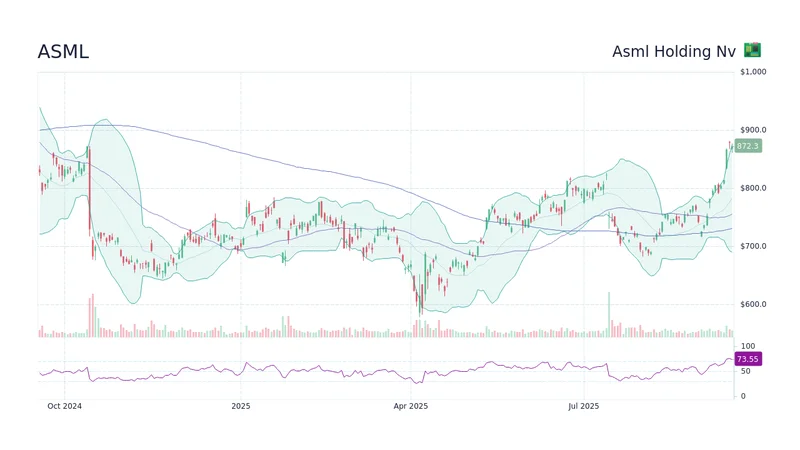
ASMLIsn'tJustaStock,It'sthe...
-
Morgan Stanley's Q3 Earnings Beat: What This Signals for Tech & the Future of Investing
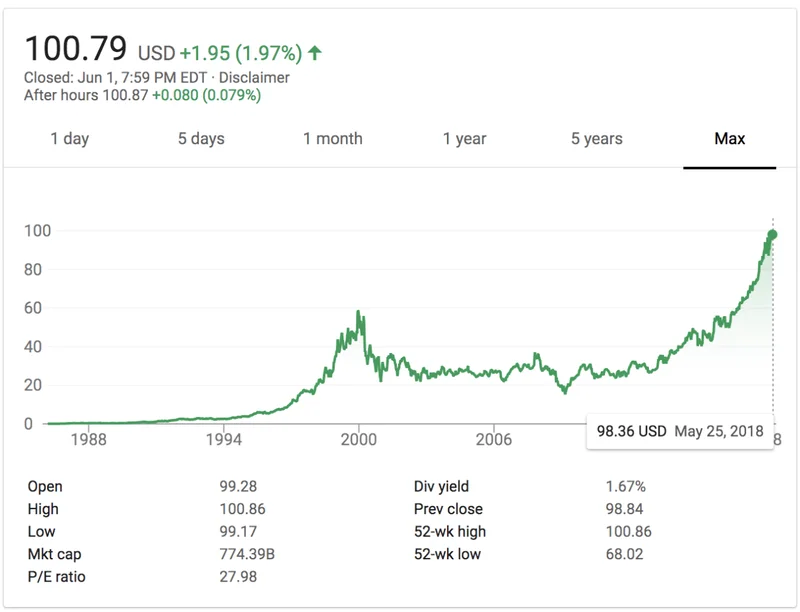
It’seasytoglanceataheadline...
-

The Manyu Phenomenon: What Connects the Viral Crypto, the Tennis Star, and the Anime Legend
It’seasytodismisssportsasmer...
-

The Nebius AI Breakthrough: Why This Changes Everything
It’snotoftenthatatypo—oratl...
- Search
- Recently Published
-
- Bitcoin's Recovery: The Numbers Don't Add Up (- Reactions Only)
- Misleading Billions: The Truth About DeFi TVL - DeFi Reacts
- Secure Crypto: Unlock True Ownership - Reddit's HODL Guide
- Altcoin Season is "here.": What's *really* fueling the latest altcoin hype (and who benefits)?
- The Week's Pivotal Blockchain Moments: Unpacking the breakthroughs and their visionary future
- DeFi Token Performance Post-October Crash: What *actual* investors are doing and the brutal 2025 forecast
- Monad: A Deep Dive into its Potential and Price Trajectory – What Reddit is Saying
- MSTR Stock: Is This Bitcoin's Future on the Public Market?
- OpenAI News Today: Their 'Breakthroughs' vs. The Broken Reality
- Medicare 2026 Premium Surge: What We Know and Why It Matters
- Tag list
-
- Blockchain (11)
- Decentralization (5)
- Smart Contracts (4)
- Cryptocurrency (26)
- DeFi (5)
- Bitcoin (30)
- Trump (5)
- Ethereum (8)
- Pudgy Penguins (5)
- NFT (5)
- Solana (5)
- cryptocurrency (6)
- XRP (3)
- Airdrop (3)
- MicroStrategy (3)
- Plasma (4)
- Zcash (7)
- Aster (10)
- qs stock (3)
- mstr stock (3)
- asts stock (3)
- investment advisor (4)
- morgan stanley (3)
- ChainOpera AI (4)
- federal reserve news today (4)