The MTA's Quiet Revolution: A Glimpse Into the Future of Urban Transit
Every great city has a circulatory system. In New York, it’s the MTA—a sprawling network of steel arteries and electric veins pumping millions of people, the lifeblood of the metropolis, through its concrete heart every single day. But lately, that system has been under attack. Not from a foreign power, but from within. A series of seemingly unrelated ailments—daredevil subway surfers, chronic fare evasion, and a toll system that traps drivers in spiraling debt—have threatened to clog the arteries and poison the blood.
The headlines paint a picture of chaos and decay. But what if we're looking at this all wrong? What if these aren't just separate crises to be managed, but symptoms of a deeper, systemic problem? And what if the solutions the MTA is slowly, haltingly beginning to implement are the first signs of a profound evolution in how a city thinks, adapts, and heals itself? I believe we're witnessing the birth of a new urban intelligence, a shift from punishing bad behavior to designing it out of existence.
The Architecture of Behavior
Let's start with the most visceral problem: subway surfing. Kids climbing atop moving trains for a few seconds of viral fame, sometimes paying with their lives. The city’s first responses were predictable—PSAs, ad campaigns, more policing. These are cries into the void. But now, something different is happening on the 7 line. The MTA is installing thick, black, tubular barriers between the cars.
At first glance, it looks like a simple hardware fix. A $10 million patch. But it’s so much more than that. This isn't just a barrier; it's an argument made in hard rubber. MTA President Demetrius Crichlow calls subway surfing a "cultural issue," and he's right. But culture doesn't exist in a vacuum; it exists in an environment. And you can change culture by changing the environment. Instead of just telling people "Don't do this," they are applying a concept from behavioral economics known as 'choice architecture'—in simpler terms, they're making it physically harder to make a catastrophic decision. It’s an elegant, empathetic solution that accepts human fallibility and designs for safety. It’s the guardrail on the side of a cliff. You don't need a sign telling you not to drive off; the guardrail just… stops you.
Now, look at fare evasion. For years, the approach was a game of whack-a-mole. Cops standing at turnstiles, handing out tickets. It was reactive, inefficient, and expensive. But MTA Police Chief Thomas Taffe revealed a stunningly intelligent new strategy. His department is grading every single station from 'A' to 'F' based on incident rates. Resources aren't spread thin; they're deployed like a surgeon’s scalpel to the most troubled spots. When I first read about the MTA police grading stations from 'A' to 'F,' I honestly just sat back and grinned. This isn't just policing; it's urban systems analysis in action.
The results? A 40% drop in evasion at major hubs, achieved with fewer officers and a $5 million reduction in overtime. This is the kind of breakthrough that reminds me why I got into this field in the first place—it's the first sign of a much deeper paradigm shift happening in urban management, a move from brute-force enforcement to elegant, data-driven design, and it’s happening right under our feet. It’s not about catching more people; it’s about understanding the system so fewer people are incentivized to break the rules in the first place. MTA police make strides in tackling fare evasion at major transit hubs in NYC.
The Ghost in the Old Machine
But this evolution isn't happening overnight. To see the old, broken paradigm the MTA is trying to escape, you only need to look at its tolling system. This isn't an intelligent system; it’s a ghost in the machine, a relic of a punitive, bureaucratic past that actively works against the people it's supposed to serve.
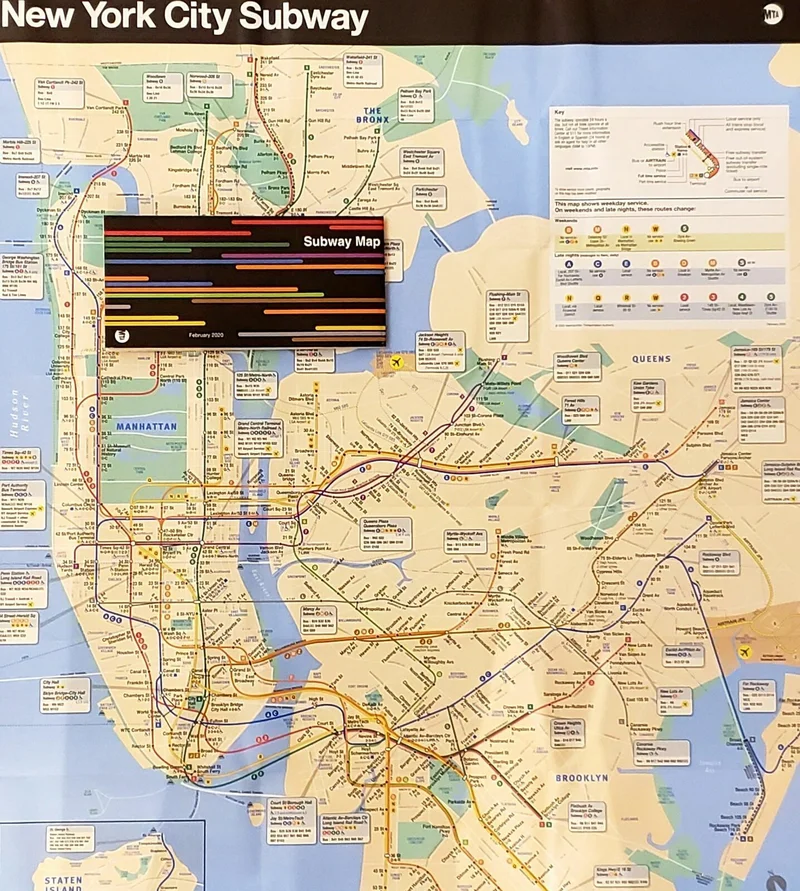
Take the story of Ian Chichester. He co-registered a car to help a family member, who then racked up $3,234 in unpaid tolls. A significant sum, sure. But the MTA’s system, with its opaque and cascading fees, transformed that debt into an astonishing $35,034. That’s not a fee; it’s a financial vortex. It’s a system that creates debt spirals by design. Imagine if your credit card worked like this. What if a $10 late fee on your coffee purchase could algorithmically balloon into a thousand-dollar liability without a clear, transparent process? You wouldn't trust that bank for a second. Why should we accept it from our public transit authority? Some New Yorkers say they've been driven into debt by MTA toll fees. We asked the agency for answers.
This is where the MTA’s two personalities clash. On one hand, you have the forward-thinking data analysts and engineers designing intelligent solutions. On the other, you have a system so convoluted that when a reporter asked the MTA Police Chief about the fee structure, he couldn't explain it. The MTA’s response—"Chief Taffe's on-camera responses speak for themselves"—is a masterclass in institutional evasion.
This tolling system is like a medieval tax collector operating inside a modern digital network. It's arbitrary, cruel, and fundamentally broken. It doesn't solve a problem; it creates one, eroding the most critical asset any public institution has: trust. And this brings us to a crucial point about the future of smart cities. As we build these incredibly powerful, data-driven systems, we have an ethical obligation to ensure they are transparent, fair, and humane. Efficiency can never be an excuse for stripping away empathy. The goal is to build systems that serve people, not financial models that prey on them.
The contrast couldn't be clearer. The subway barriers and the fare evasion strategy are about understanding a system and redesigning it for better outcomes. The tolling fiasco is what happens when a system is designed only to punish, with no feedback loop for fairness or common sense. One is a vision of the future; the other is a ghost we desperately need to exorcise.
A System Learning to Heal
We are at a fascinating inflection point. The MTA, this massive, century-old behemoth, is showing signs of developing a modern nervous system. It's learning to sense problems with data, not just anecdotes, and to react with precise, intelligent interventions instead of clumsy, blanket policies. The surfing barriers and the fare evasion crackdown are the first antibodies produced by a system that is learning to heal itself.
Of course, skeptics will say that a determined kid will always find a way to climb a train. They’re missing the point. This isn't about creating an impenetrable fortress. It's about raising the bar. It's about making the dangerous path the path of most resistance. It's about communicating through design that the city cares enough to protect you from your worst impulses.
The journey is far from over. The broken tolling system is a stark reminder of how much of the old, broken code still needs to be rewritten. But for the first time, we can see the blueprint for a smarter, more responsive, and ultimately more humane transit authority. The city is learning. And if a system as vast and complex as the MTA can learn to adapt, just imagine what’s possible for the rest of our world.

-

The Business of Plasma Donation: How the Process Works and Who the Key Players Are
Theterm"plasma"suffersfromas...
-
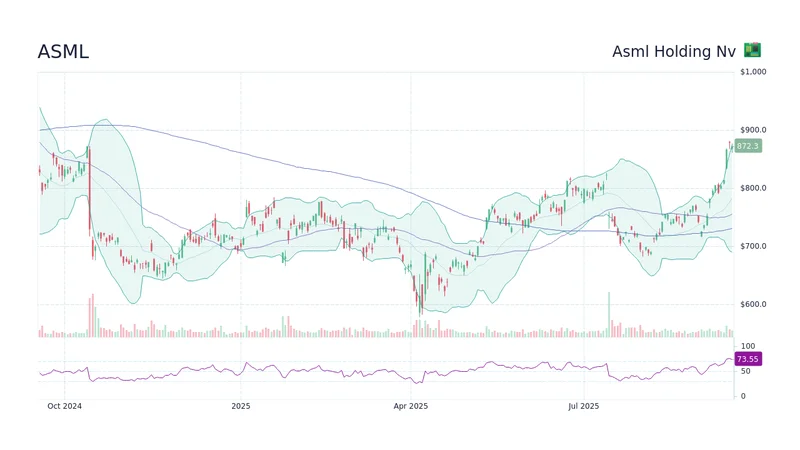
ASML's Future: The 2026 Vision and Why Its Next Breakthrough Changes Everything
ASMLIsn'tJustaStock,It'sthe...
-

The Manyu Phenomenon: What Connects the Viral Crypto, the Tennis Star, and the Anime Legend
It’seasytodismisssportsasmer...
-

The Nebius AI Breakthrough: Why This Changes Everything
It’snotoftenthatatypo—oratl...
-

The Great Up-Leveling: What's Happening Now and How We Step Up
Haveyoueverfeltlikeyou'redri...
- Search
- Recently Published
-
- Misleading Billions: The Truth About DeFi TVL - DeFi Reacts
- Secure Crypto: Unlock True Ownership - Reddit's HODL Guide
- Altcoin Season is "here.": What's *really* fueling the latest altcoin hype (and who benefits)?
- The Week's Pivotal Blockchain Moments: Unpacking the breakthroughs and their visionary future
- DeFi Token Performance Post-October Crash: What *actual* investors are doing and the brutal 2025 forecast
- Monad: A Deep Dive into its Potential and Price Trajectory – What Reddit is Saying
- MSTR Stock: Is This Bitcoin's Future on the Public Market?
- OpenAI News Today: Their 'Breakthroughs' vs. The Broken Reality
- Medicare 2026 Premium Surge: What We Know and Why It Matters
- Accenture: What it *really* is, its stock, and the AI game – What Reddit is Saying
- Tag list
-
- Blockchain (11)
- Decentralization (5)
- Smart Contracts (4)
- Cryptocurrency (26)
- DeFi (5)
- Bitcoin (30)
- Trump (5)
- Ethereum (8)
- Pudgy Penguins (5)
- NFT (5)
- Solana (5)
- cryptocurrency (6)
- XRP (3)
- Airdrop (3)
- MicroStrategy (3)
- Plasma (4)
- Zcash (7)
- Aster (10)
- qs stock (3)
- mstr stock (3)
- asts stock (3)
- investment advisor (4)
- morgan stanley (3)
- ChainOpera AI (4)
- federal reserve news today (4)