Zora Crypto: What It Is & Where It's Headed
I’ve spent my career watching technologies emerge, from the quiet hum of servers in MIT labs to the global roar of the internet. You learn to spot the difference between a fleeting trend and a true tectonic shift. And what happened this week with Zora wasn't just another crypto price spike; it was a tremor from the future.
When the news broke that Robinhood had listed the ZORA token, the market reacted predictably. A 40%, then 60% surge. Charts lit up, traders scrambled, and the headlines screamed about the sudden explosion of the “smallest market cap coin ever listed” on the platform. But focusing on the price is like admiring the color of a rocket's flame while ignoring the fact that it's heading for the moon.
The real story here, the one that should be sending shivers down your spine, has nothing to do with market caps or falling wedges on a trading chart. It’s about Zora: Shifting the Focus of Crypto Creator Economy. When I first dug into Zora’s model, I honestly just sat back in my chair, speechless. For years, we’ve talked about a “creator economy,” but what we’ve had is a renter’s economy—creators building empires on rented land owned by YouTube, Instagram, and TikTok, always subject to the whims of an algorithm or a policy change.
Zora is something else entirely. It’s an attempt to give creators the deed to the land.
A New Renaissance, Built on Code
So, what is Zora crypto, really? Let’s cut through the jargon. It’s built on an Ethereum Layer 2 network—in simpler terms, think of it as an express lane built on top of a busy highway, making transactions for creators incredibly fast and cheap. But the architecture isn’t the innovation; it’s what it enables. Zora allows any creator, from a musician to a meme-maker, to launch their own "creator tokens," effectively turning their art, their brand, or even a single idea into a micro-economy.
This isn’t just another NFT marketplace. It’s a complete paradigm shift. Imagine an artist being able to sell a thousand tokens tied to their next album, giving fans a real, tradable stake in its success. Imagine a journalist funding an investigation by issuing tokens to their readers, who then share in the impact (and potential rewards) of the story. This model exploded for Zora in the third quarter of 2025, sending their revenues from a few thousand dollars in a bad quarter to over $5.5 million—proof that this isn't a theoretical concept anymore.
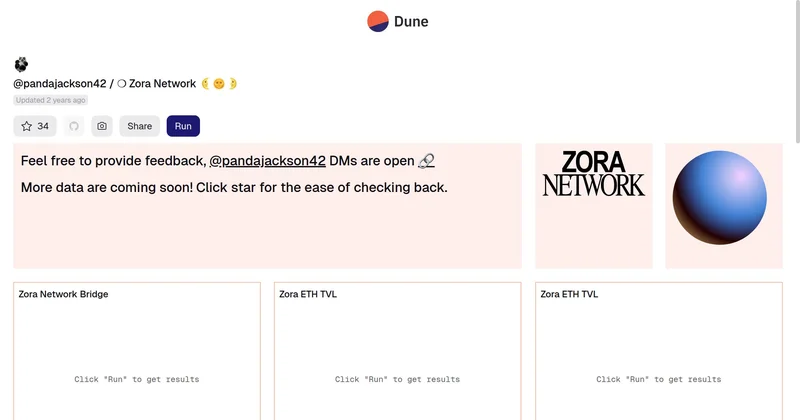
And here’s the part that truly matters: Zora is designed to be a cooperative. It redistributes 50% of all trading fees directly back to the creators on the platform. This isn't a platform taking a cut; it's an ecosystem sharing its success. It’s the kind of model that could finally break the cycle of the starving artist, creating a world where cultural value and economic value are intrinsically linked, and the potential for this is just staggering—it means we could unlock a wave of creativity from people who were previously locked out of the system because they couldn't afford to take the risk.
This feels less like the launch of a new tech platform and more like the invention of the printing press. Before Gutenberg, information was controlled by a select few. The press didn't just make it cheaper to print books; it decentralized knowledge itself, sparking the Reformation and the Renaissance. What happens when we decentralize not just information, but ownership and value?
The Bridge to the Mainstream
For all its revolutionary potential, Zora could have remained a niche experiment for the crypto-savvy. But the integrations with Coinbase and now Robinhood change everything. This is the bridge from the abstract world of Web3 to the tangible world of millions of everyday users. Suddenly, supporting a creator isn't a complex process involving digital wallets and gas fees; it's as simple as buying a stock.
This is how revolutions go mainstream. It’s one thing to build a better mousetrap; it’s another to put it in every hardware store in the country. By listing Zora, Robinhood didn't just offer a new asset to trade. It implicitly validated the idea of a decentralized creator economy for its massive user base. It put the tools of this new Renaissance into the hands of anyone with a smartphone.
And the ecosystem is still just getting started. The upcoming launch of a livestreaming feature on Zora is the next logical step. We’re moving beyond tokenizing static objects like images and songs and into the realm of monetizing live, interactive moments. What new forms of art and community become possible when a performer can be funded, tipped, and supported by their audience in real-time, with a shared economic upside?
Of course, with this incredible power comes a profound responsibility. We have to ask ourselves how we build sustainable careers on this new infrastructure, not just fleeting speculative bubbles. How do we ensure that this new economy values genuine connection and long-term creativity over viral hype? The tools are becoming permissionless, but the culture we build with them is up to us.
The Ownership Revolution Is Here
Forget the price charts for a moment. Forget the short-term predictions. The Zora-Robinhood event is a signpost. It marks the moment a radical new idea—that creators should own the value they create—broke containment and entered the mainstream consciousness. We are at the very beginning of a mass migration away from the centralized web, where our data and content were the product, toward a new internet where our creativity and community are our assets. This isn't just another cycle in the crypto market. It's the start of something much, much bigger.

-

The Business of Plasma Donation: How the Process Works and Who the Key Players Are
Theterm"plasma"suffersfromas...
-
ASML's Future: The 2026 Vision and Why Its Next Breakthrough Changes Everything
ASMLIsn'tJustaStock,It'sthe...
-
Morgan Stanley's Q3 Earnings Beat: What This Signals for Tech & the Future of Investing
It’seasytoglanceataheadline...
-
The Manyu Phenomenon: What Connects the Viral Crypto, the Tennis Star, and the Anime Legend
It’seasytodismisssportsasmer...
-

The Nebius AI Breakthrough: Why This Changes Everything
It’snotoftenthatatypo—oratl...
- Search
- Recently Published
-
- Bitcoin's Recovery: The Numbers Don't Add Up (- Reactions Only)
- Misleading Billions: The Truth About DeFi TVL - DeFi Reacts
- Secure Crypto: Unlock True Ownership - Reddit's HODL Guide
- Altcoin Season is "here.": What's *really* fueling the latest altcoin hype (and who benefits)?
- The Week's Pivotal Blockchain Moments: Unpacking the breakthroughs and their visionary future
- DeFi Token Performance Post-October Crash: What *actual* investors are doing and the brutal 2025 forecast
- Monad: A Deep Dive into its Potential and Price Trajectory – What Reddit is Saying
- MSTR Stock: Is This Bitcoin's Future on the Public Market?
- OpenAI News Today: Their 'Breakthroughs' vs. The Broken Reality
- Medicare 2026 Premium Surge: What We Know and Why It Matters
- Tag list
-
- Blockchain (11)
- Decentralization (5)
- Smart Contracts (4)
- Cryptocurrency (26)
- DeFi (5)
- Bitcoin (30)
- Trump (5)
- Ethereum (8)
- Pudgy Penguins (5)
- NFT (5)
- Solana (5)
- cryptocurrency (6)
- XRP (3)
- Airdrop (3)
- MicroStrategy (3)
- Plasma (4)
- Zcash (7)
- Aster (10)
- qs stock (3)
- mstr stock (3)
- asts stock (3)
- investment advisor (4)
- morgan stanley (3)
- ChainOpera AI (4)
- federal reserve news today (4)