The XRP ETF: What the Latest News Means for Its Price and Future
If you’ve been watching the XRP charts lately, I don’t blame you for feeling a bit of vertigo. The screen flashes red. You see headlines like XRP whales dump $50M per day: Will it crash the price?, and you hear seasoned traders like Peter Brandt flagging a "descending triangle" that points toward a gut-wrenching price drop. It feels like standing on a coastline, watching the tide go out, and wondering if it’s ever coming back.
The noise is deafening. The fear is palpable. And if you’re only looking at the daily price, you’re missing the entire story.
When I first read the original whitepaper concepts behind Ripple and the XRP Ledger years ago, I honestly just sat back in my chair, speechless. It wasn't about the token price or the speculative frenzy. It was the sheer, breathtaking audacity of the vision. Here was a team looking at the ancient, creaking machinery of global finance—a system that takes days and charges a fortune to send money across a border—and saying, "We can do better. We can make value move as fast as information."
That’s the kind of breakthrough that reminds me why I got into this field in the first place. We're so often caught up in the short-term drama, the technical analysis, and the market sentiment that we forget to look up and see the new world being built around us. What we're witnessing with XRP isn't just the volatile adolescence of a cryptocurrency; it's the birth pangs of a potential revolution in financial infrastructure.
The Signal Hiding in the Static
Let's be clear about what we’re really talking about. The current system for cross-border payments, SWIFT, handles an almost unimaginable $150 trillion a year. But it’s a relic. Using SWIFT is like sending a certified letter by steamship in the age of email. It’s slow, it’s opaque, and it’s layered with intermediary banks that each take a slice of the pie. It’s an architecture built for a world that no longer exists.
The XRP Ledger, on the other hand, is built for right now. It proposes to settle transactions in three to five seconds for fractions of a penny. This is a complete paradigm shift—a move from analog to digital, from friction to flow. This uses a distributed ledger—in simpler terms, it means a shared, trusted record book that doesn't need a central authority to validate transactions, making things incredibly fast and cheap.
The current debate feels a lot like the early days of the internet. Back then, people obsessed over the stock prices of individual dot-com companies, most of which failed spectacularly. They saw the volatility, the hype, the crashes. But they missed the bigger picture: a foundational protocol, TCP/IP, was being laid that would ultimately rewire society itself.
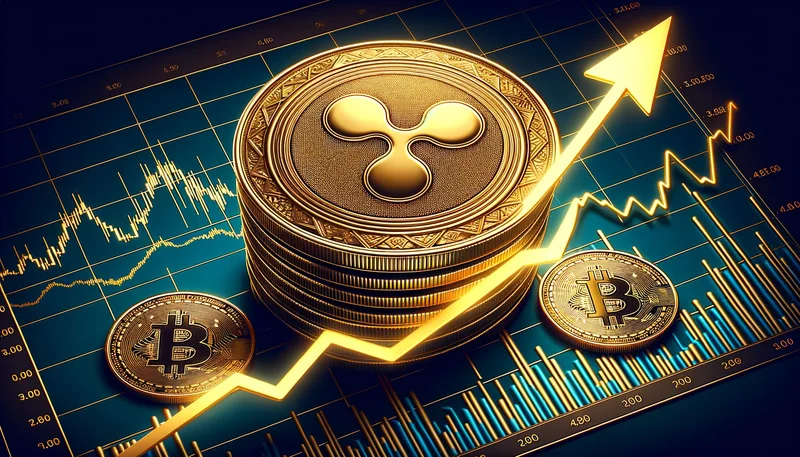
The daily `xrp price` is just the stock ticker of one of those early dot-coms. The real story, the signal in all this static, is the protocol itself. The `ripple xrp` vision isn't just about a token; it's about a new set of rails for the global economy. When Ripple executives suggest they could capture even 14% of SWIFT's volume, they aren't just talking about a price pump. They're talking about rerouting a significant portion of the world's financial transactions. Can we even begin to grasp the implications of that?
The Bridge Between Two Worlds
For years, this grand vision has felt abstract, a distant dream for tech idealists. But now, something tangible is happening that could change everything. I’m talking about the spot `xrp etf`.
An Exchange-Traded Fund, or ETF, is a financial product that allows people to invest in an asset without holding the asset itself. Think of it as a key. For the average investor, and more importantly, for the colossal world of institutional finance—pension funds, endowments, investment banks—the world of `crypto` has been a locked room. It’s too complex, too unregulated, too wild. An SEC-approved ETF is the key that unlocks that door.
And the signs are all there. We're seeing major players like Grayscale, Bitwise, and WisdomTree filing amended S-1 forms, even including their proposed ticker symbols. As wealth management president Nate Geraci noted after seeing the latest batch of filings, "Getting close." That's not just idle chatter; it’s the sound of engineers performing the final stress tests on a bridge that will connect the old world of finance with the new.
The approval of an `xrp etf` would be a seismic event—the flow of institutional capital would not just be a trickle but a tidal wave, bringing with it a level of legitimacy and stability that could finally silence the "meme coin" talk for good. This is the moment where the technology moves from a niche experiment to a recognized asset class.
Of course, this comes with its own profound responsibilities. If a decentralized ledger becomes a cornerstone of global finance, we have to ensure it remains a tool for empowerment and efficiency for everyone, not just another instrument for the powerful. What happens to a network built for utility when it's suddenly flooded with trillions in purely speculative capital? Does that accelerate its mission or corrupt it? These are the questions we must start asking now.
But the potential is undeniable. We're talking about a future where sending money to family overseas is as instant and cheap as sending a text message. A future where small businesses in developing nations can participate in global trade without being crushed by fees. That’s the promise.
We're Arguing About the Weather Before a Tidal Wave
So, let's step back from the frantic chart-watching. The daily price fluctuations, the whale movements, the bearish technical patterns—it’s all just weather. It’s the fog and rain that obscure the horizon. But out on that horizon, a fundamental shift in the architecture of global finance is forming. The `xrp etf news` isn't just another piece of `crypto news`; it's the signal that the bridge is about to open. The question isn't whether XRP will survive the current storm. The real question is whether our legacy financial systems are prepared for the tidal wave of innovation that's about to hit the shore. I, for one, can't wait to see it.

-

The Business of Plasma Donation: How the Process Works and Who the Key Players Are
Theterm"plasma"suffersfromas...
-
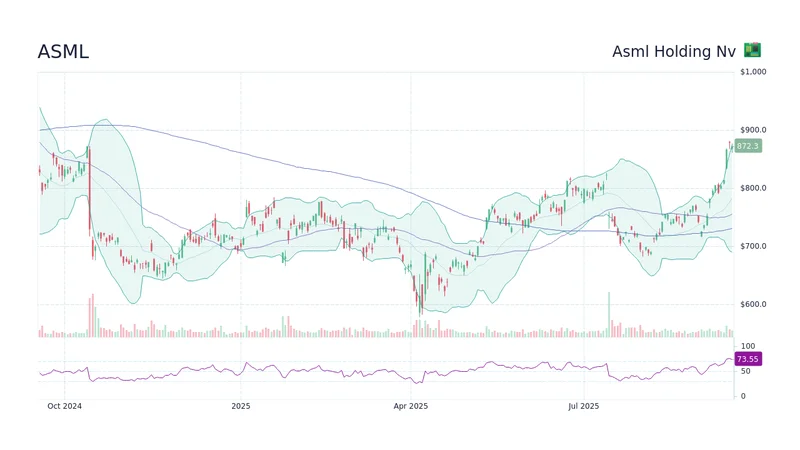
ASML's Future: The 2026 Vision and Why Its Next Breakthrough Changes Everything
ASMLIsn'tJustaStock,It'sthe...
-
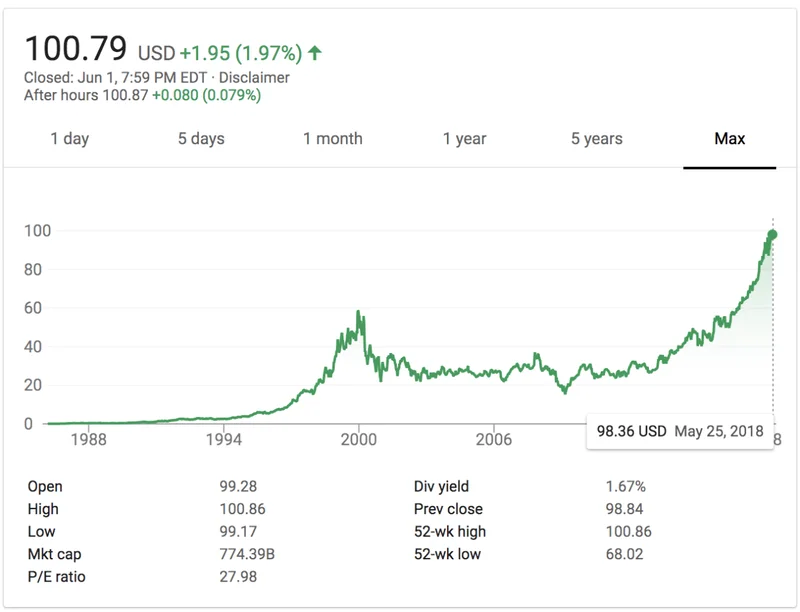
Morgan Stanley's Q3 Earnings Beat: What This Signals for Tech & the Future of Investing
It’seasytoglanceataheadline...
-

The Manyu Phenomenon: What Connects the Viral Crypto, the Tennis Star, and the Anime Legend
It’seasytodismisssportsasmer...
-

The Nebius AI Breakthrough: Why This Changes Everything
It’snotoftenthatatypo—oratl...
- Search
- Recently Published
-
- Bitcoin's Recovery: The Numbers Don't Add Up (- Reactions Only)
- Misleading Billions: The Truth About DeFi TVL - DeFi Reacts
- Secure Crypto: Unlock True Ownership - Reddit's HODL Guide
- Altcoin Season is "here.": What's *really* fueling the latest altcoin hype (and who benefits)?
- The Week's Pivotal Blockchain Moments: Unpacking the breakthroughs and their visionary future
- DeFi Token Performance Post-October Crash: What *actual* investors are doing and the brutal 2025 forecast
- Monad: A Deep Dive into its Potential and Price Trajectory – What Reddit is Saying
- MSTR Stock: Is This Bitcoin's Future on the Public Market?
- OpenAI News Today: Their 'Breakthroughs' vs. The Broken Reality
- Medicare 2026 Premium Surge: What We Know and Why It Matters
- Tag list
-
- Blockchain (11)
- Decentralization (5)
- Smart Contracts (4)
- Cryptocurrency (26)
- DeFi (5)
- Bitcoin (30)
- Trump (5)
- Ethereum (8)
- Pudgy Penguins (5)
- NFT (5)
- Solana (5)
- cryptocurrency (6)
- XRP (3)
- Airdrop (3)
- MicroStrategy (3)
- Plasma (4)
- Zcash (7)
- Aster (10)
- qs stock (3)
- mstr stock (3)
- asts stock (3)
- investment advisor (4)
- morgan stanley (3)
- ChainOpera AI (4)
- federal reserve news today (4)